Force bulbs indoors now for the holidays!
November 18, 2012

November 18, 2012
November 17, 2012
A few years ago, I started designing these cute tiny terrariums for the holidays for North Haven Gardens in Dallas. They've become quite popular the last couple of seasons and I couldn't help but share a few photos of the first ones put together this season.
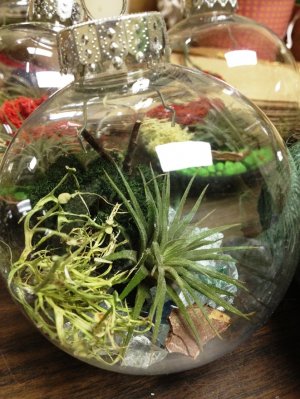
I love using Tillandsias, because they require little to no care in a tiny environment such as these ornaments.
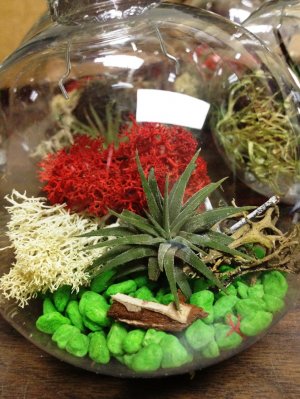
I also love using reindeer moss and assorted lichens, wood chips, branches and the like.
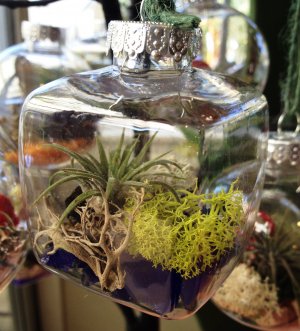
This year I started up some tiny square ornaments. TOO CUTE. You can create these kinds of low maintenance terrariums in just about any containter. Just a little fun homeade gift goodness! These terrarium ornaments are available for sale now at NHG.
November 8, 2012
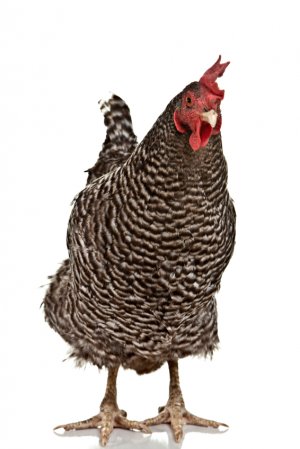 It’s Garden Giveaway time! Live in the Dallas, Tx area? In need of a professional Horticultural Housecall? Want to start a veggie garden or maybe keep backyard chickens? Well, you do for me and I’ll do for you! I’ll be giving away an in-depth home garden consultation, which typically values at $175-$250. Seriously? Seriously!
First, head on over to my Halleck Horticultural Facebook page. To enter, write a once sentence comment on the Garden Giveaway post about why you need my help, and please share the post (or recommend my FB page) on your page if you think you have other gardening friends who could benefit from my expertise. I’ll let this giveaway run for a week, and then I’ll randomly pick a winner from the list of comments (yes, I’ll write all your names down and put them in a hat so that it’s fair!)
I’ll announce the winner next Wednesday 11/14 so be sure to check back! You can read more about my consultation services HERE.
November 6, 2012
UPDATED 2024: This falls into the large category of "oh I forgot I did this!" Ahead of tulip shopping and planting season, I thought I'd revive these handy combos for you to reference.
Back when I used to be GM for an IGC called North Haven Gardens, I decided to create these custom tulip cultivar combinations that were specifically tailored to be outstanding performers together for early- mid- or late-flowering. I spent years designing complicated bulb displays for the Dallas Arboretum, as well as testing many species and hybrid tulips. Not to mention many years of growing and testing them in my own gardens. I used my extensive knowledge and experience to create tulip combos that were guaranteed to put on the best show for my customers, without them having to do the work of figuring out what would bloom when, or which types would bloom together, or separately for a season extension, for the best display.
If you live in the South, where soil temperatures stay relatively warm all winter, tulips must be properly pre-chilled planted anew each December. Yes, I know, those Northerners have it easy. Tulips perennialize there and require little effort or care. Down here, we have to vernalize (chill) our tulips for just the right amount of time at just the right temperature in order for them to develop a flower bud. You must wait to plant your tulips until soil temperatures have reached 50F and stay there. That's usually not till after Thanksgiving and it can often be later. The perfect time to plant tulips in Texas? The third week of December.
Bulbs are typically for sale in the fall so now's the time to think about which tulips you want to plant!
To my knowledge NHG doesn't create or sell these custom combos anymore, but I thought they were darn cute and clever, if I do say so myself!
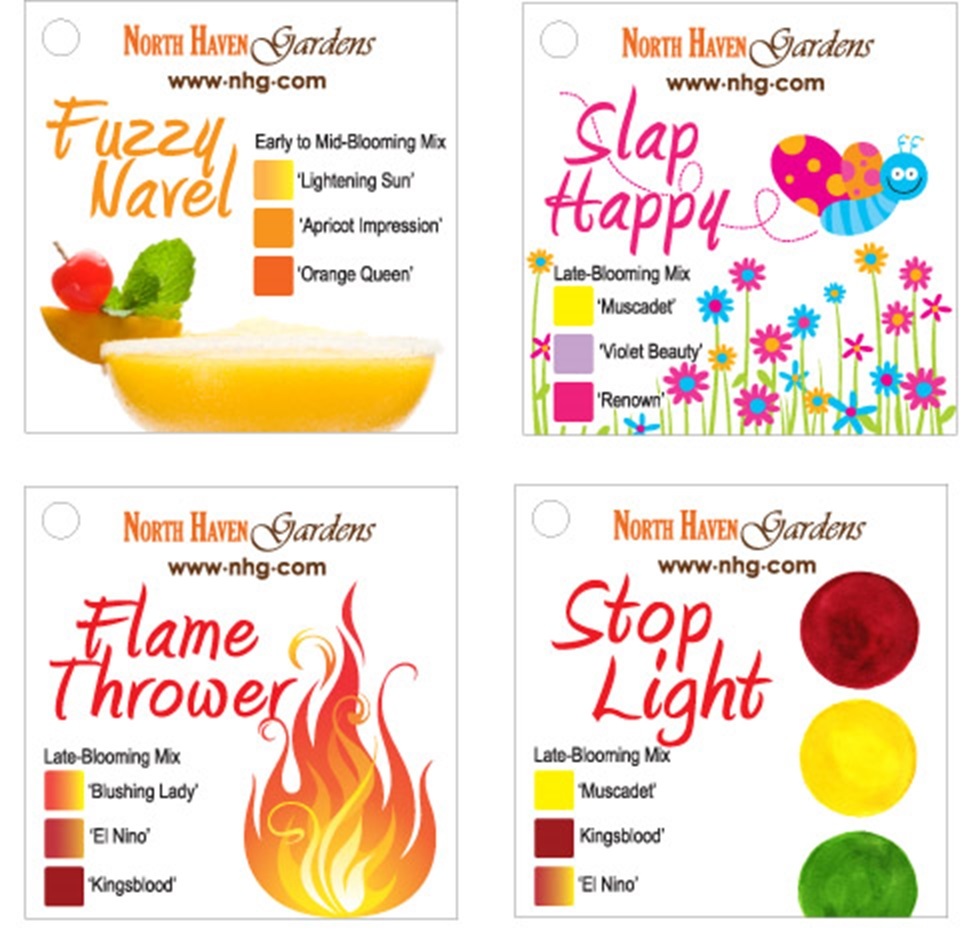
Personally, my favorite is 'Fuzzy Navel'...I mean, who doesn't love those?! I'm kind of obsessed with the color orange so there ya go. Some folks are ready to plant up their beds and pots with tulips in September or October because they also want to get their pansies in the ground on top of the bulbs.
Well, nature doesn't always work that way. In North Texas, and other areas with a similar climate, you really have to wait until soil temperatures are cooler to plant your tulips. My solution? I go ahead and plant violas, or small flowered pansies, along the edges of my beds so that my borders look great for the cool season.
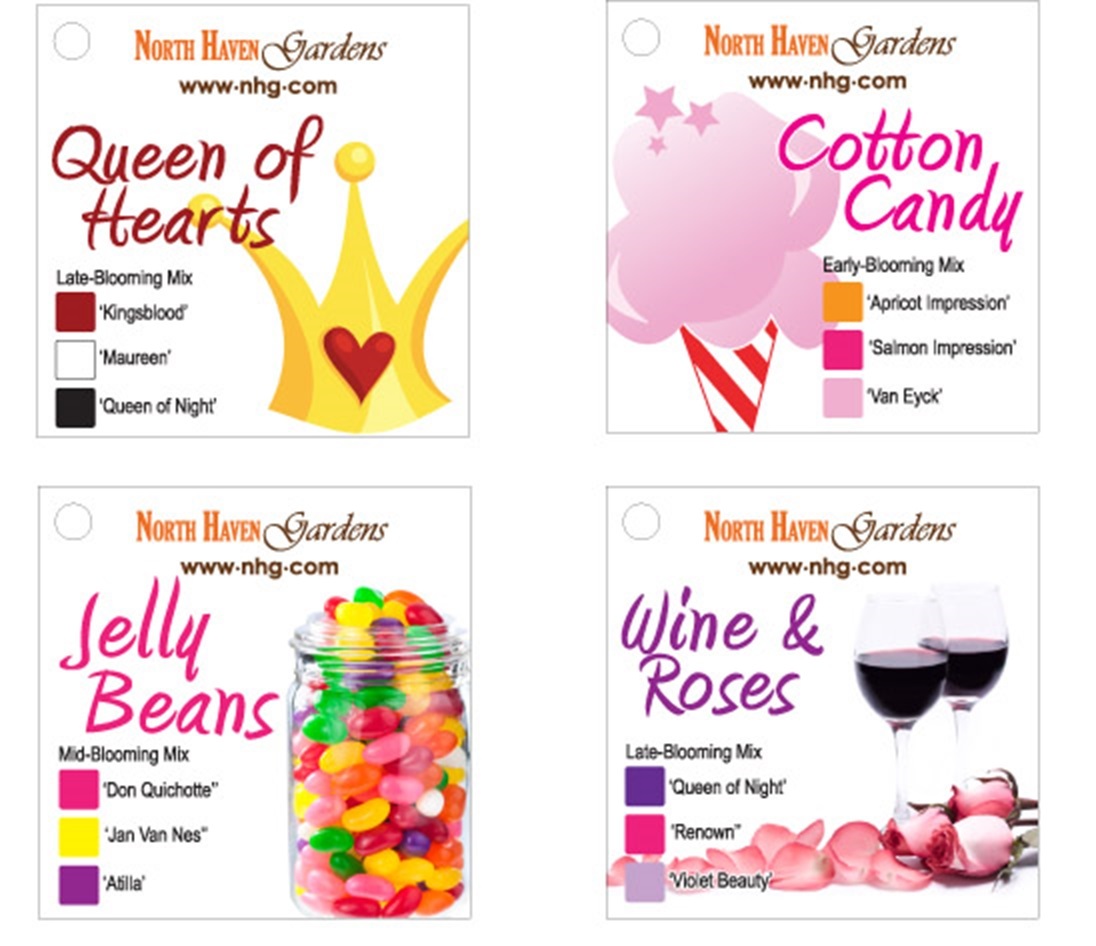
I always plant some pockets of warm season annuals in my beds, such as Angelonia, Zinnas, Salvias and the like. Once we get hit with with the first frost, those plants come out and I use those spaces to plant clumps of tulips. Then, I overplant pansies in those spots. So I kind of have two pansy/viola planting times: Sept/Oct. and then again in December. If you want to drop bulbs in pots in fall and top with cool season color, you can go ahead and do so with daffodils or other perennial bulbs that don't require vernalization. Just set aside a few pots to plant with tulips in December.
PLANT YOUR TULIPS DEEP: In warm climates soil temperatures can get warm very early. If you plant your tulips too shallow, they may sprout and bloom too early, which often results in "blasting", a condition where the flower bud opens on a very short stalk down at the base of the plant. I recommend planting your tulips a good 6"-8" (inches) deep. I usually go at least 8" or a little deeper.
If you want to extend the amount of time you have tulips in bloom, you can plant early, mid-, and late-season cultivars or these combinations in different spots or containers. Remember that if you plant bulbs in containers, they will be subjected to warmer (or colder) temperatures than if they were in the ground. So you may want to plant your tulips deeper in the pots so that if temperatures warm early you can avoid tulip blasting.
October 31, 2012
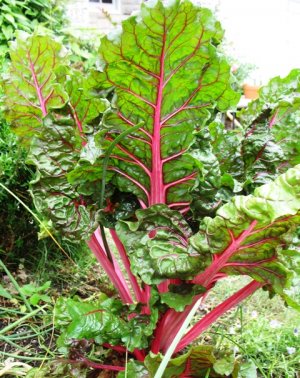 Think it's too late to get your cool season vegetable garden growing? Now way! You've got plenty of time. In much of the Southern part of the U.S., gardeners can grow vegetables year-round. In many places with extreme summers, fall and winter provide for much easier growing conditions and maintenance in the vegetable garden. Cool-season edibles like broccoli and kale can be grown for many months. It can be hard to make it to gardening classes on the weekends and the classes you want aren't always available. I get asked to teach many classes, but I can only be in so many places at once! So I've started making my programs available to take online. In Fall & Winter Vegetable Gardening 2012, Learn how to get started on your cool-season vegetable garden with a comprehensive class that covers soils, amendments, timing, varieties, care, nutrients and more! This paticular class has 90 slides with audio and several handouts. Its about a 2-hour class, but the beauty is, you can long in, stop, start and review anytime you'd like...even in your pajamas! Classes are updated seasonally, which means you'll have 3-4 months to log in and review your class.
I'll have more classes coming soon so be sure to check back. I hope you'll give this class a shot and if you do please let me know your thougths!
October 25, 2012
 Have you picked up your October issue of Fine Gardening Magazine? Check out my plant guide for some color and texture in the shade Such as: Mahonia 'Soft Caress'...
October 24, 2012
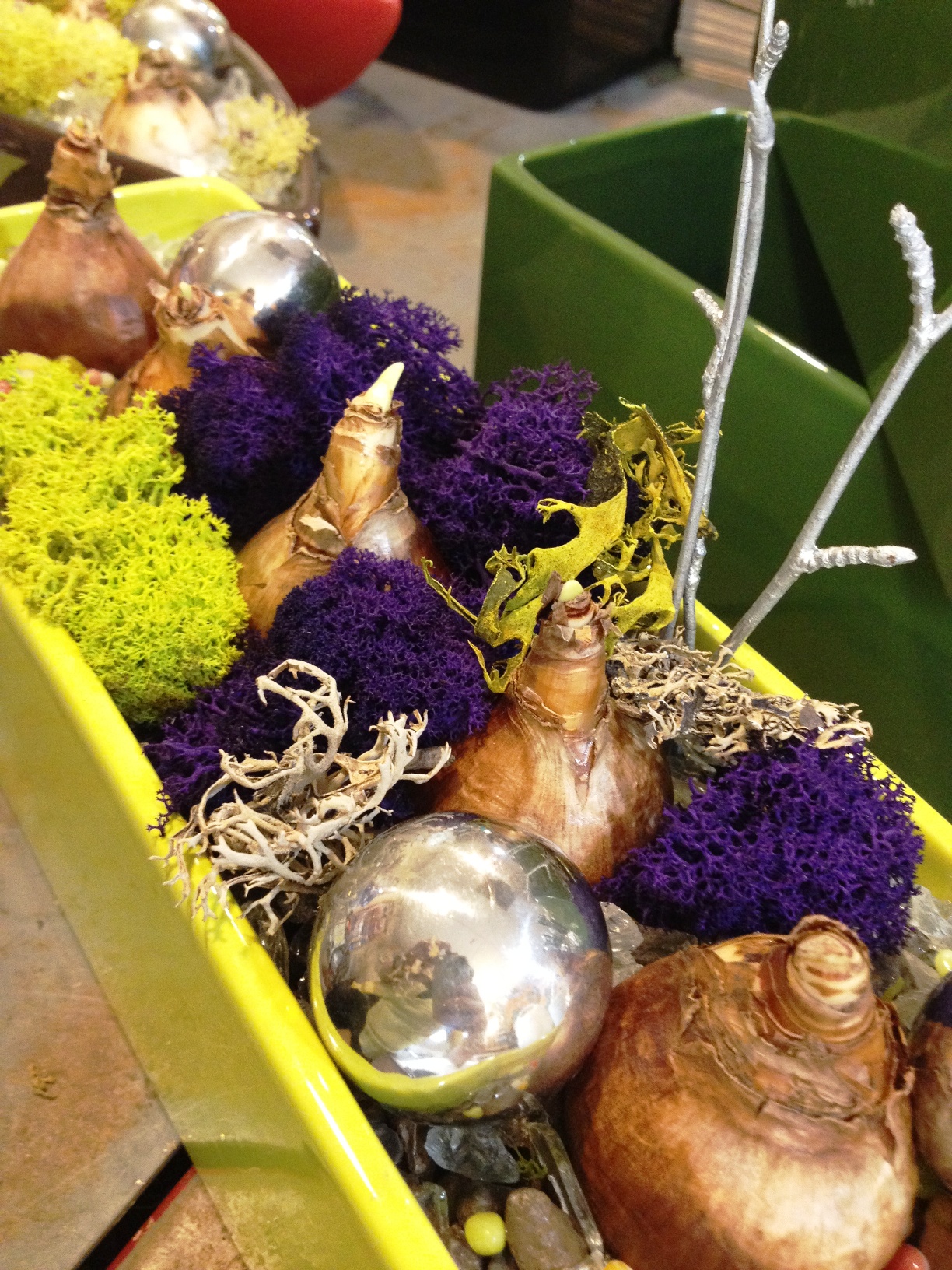
Think bulb forcing has to be boring? No way! I've been getting my hands dirty the last couple of days designing some bulb gardens, as I like to call them, for the upcoming holidays.
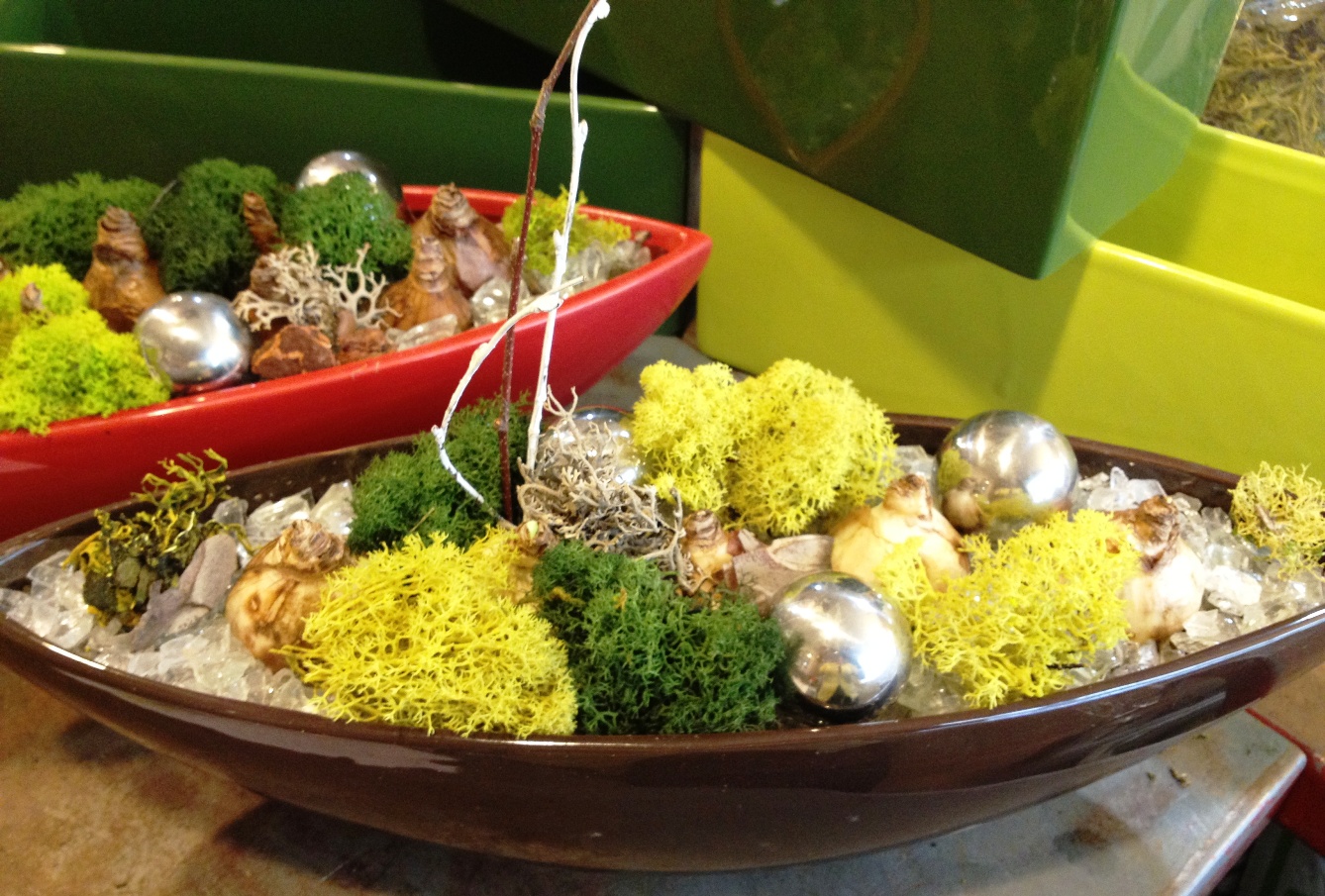
Yes, it's that time again and if you'd like some cheery daffodils or other bulbs blooming indoors for your Thanksgiving table, now's the time to get going! Visit your local independent garden center for a good selection of bulbs that can be forced, such as daffodils, muscari, dwarf Dutch Iris, Amaryllis and more that can be forced now. You can continue forcing any of these bulbs now through the Holidays. Purty!
October 21, 2012
So, in addition to harvesting salad greens, cilantro, basil and other yummies from my garden this weekend, I'm also harvesting THESE beauties!
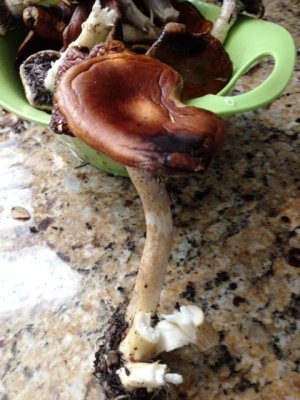
I've added three species of fungi to my garden, firstly to help improve the soil, but secondly to reap the fruits of their labor. This would be a specimen of Stropharia rugosoannulata, also known as the "Garden Giant". Unlike most other species of Stropharia, this species is a choice edible. This species offers up a late-summer or fall harvest. I was so excited to find a big crop of them yesterday popping up in my shade bed. Adding inoculants of certain fungal species to your vegetable garden can be highly beneficial for other food crops, however in our super-hot climate in Texas, it can be tough for the shrooms to be planted in ful-sun locations. So I've instead inoculated my partical shade beds with good success. Can't wait to cook these up!