Why are all My Greenhouse Plants Stressed in Summer?

August 10, 2026

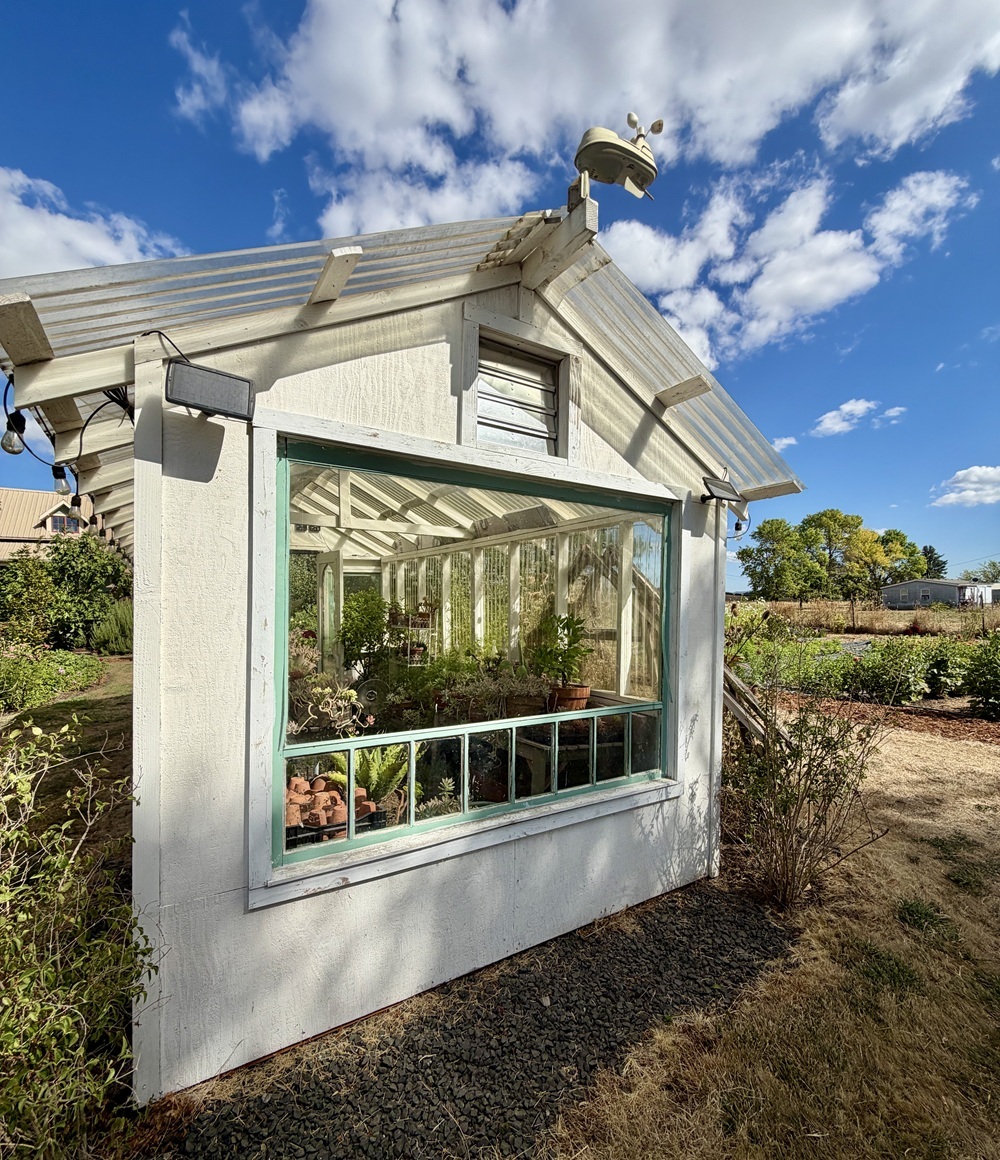
Summer Heat Can Make Managing Your Greenhouse Impossible

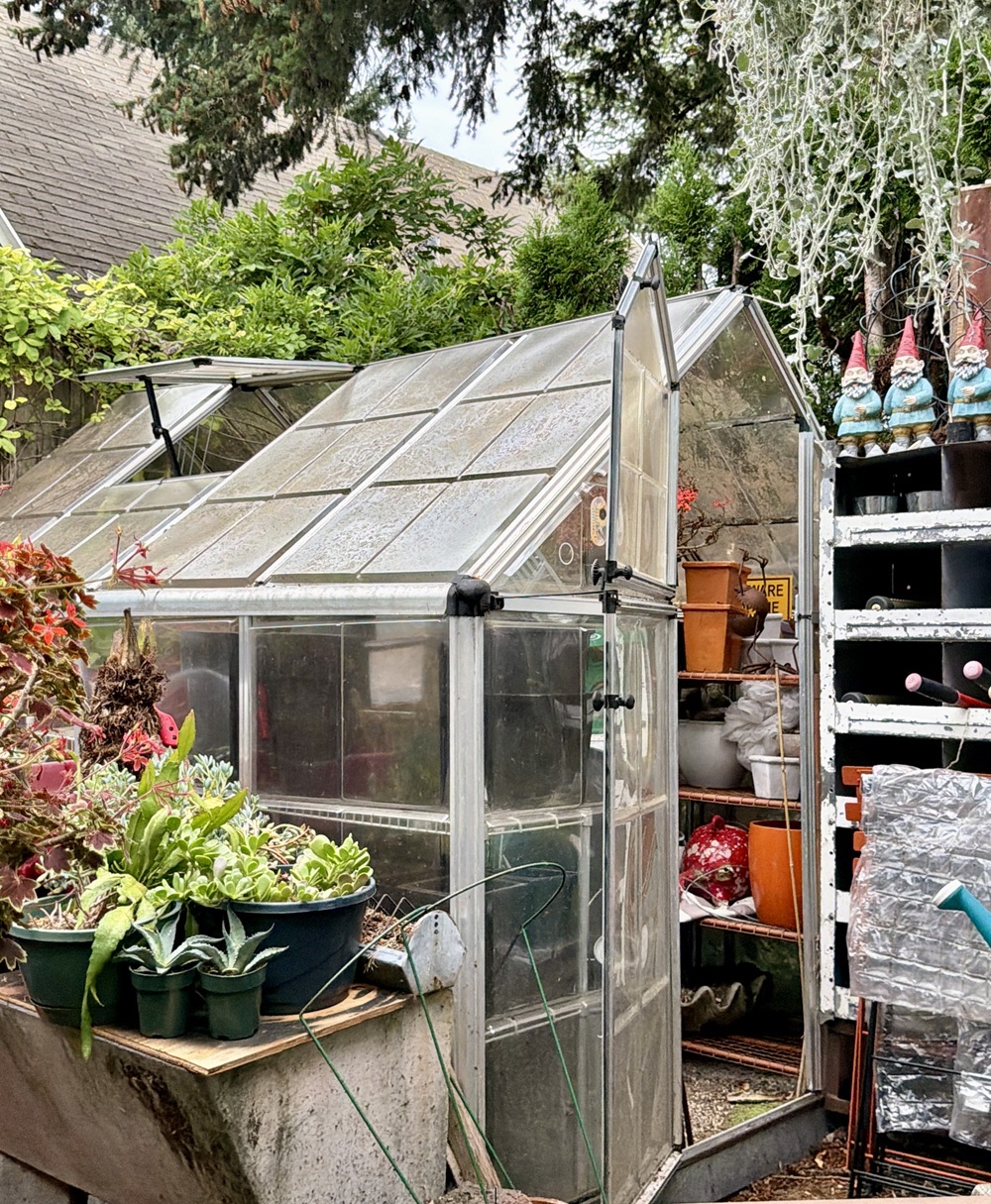
One of the more common complaints I receive when talking to folks about managing their greenhouses is how poorly many of their plants are doing during the hot summer months.

Did you know that once temperatures get too hot outside, the temperature in your greenhouse is going to get even hotter? And there is a point at which no amount of additional cooling is going to lower the temperature enough. Not only that, but the hot and humid conditions created in summer greenhouses are the perfect breeding ground for many tough pests, such as scale.

In fact, if it's warm where you live and you currently have citrus plants in your greenhouse, I'll bet you good money you're struggling with a scale infestation! It's a classic.

Geodesic Greenhouse

But Isn't my Greenhouse Supposed to be Warm?

To a point, yes. It's very easy during summer months for greenhouses to heat up far too much, which causes a lot of plant stress and even plant death.

Ultimately, it's easier to heat a greenhouse than it is to cool it, especially in hot climates. The ideal average best daytime temperature range for your summer greenhouse is between 80-85F (27-29C). If it's 90F (32C) outside, you can bet the internal temperature of your greenhouse is going to be hotter. And once the internal temperature of your greenhouse exceeds 90F, your plants will struggle and pests can be overwhelming. Controlling your internal greenhouse temperature once it's that hot outside is also challenging, even if you are running cooling units.

There are many different appropriate temperature ranges inside a greenhouse depending on what you are growing. In my new book "Home Greenhouse Revival" I break down seven different categories and temperature ranges you can use to guide you when deciding on what type of greenhouse to build or install, and what target temperatures benefit different plants.

So How do I Keep my Greenhouse Cooler in Summer?

Keeping your greenhouse cooler in summer typically involves adding sun-blocking elements such as shade cloth or whitewash on your greenhouse, in addition to running cooling units. Yes, this will block a lot of the radiant energy (sunlight) coming in to the greenhouse, but it will also help reduce internal temperatures and help your cooling units do a better job of moderating the temperature.

OR...you just may need to move your plants outdoors for the summer if you live in a very hot climate. And guess what? That's OK. For some of you, depending on your climate, you will be able to grow plants inside your greenhouse year-round. But for those of you in very hot climates, it's OK to know your greenhouse's limit and move plants outdoors if that provides a better growing environment.

Dig Deeper

If you'd love to dig deeper and learn all about managing a greenhouse environment effectively, including all the most effective cooling strategies, check out my new book "Home Greenhouse Revival"


Waterwise Flip Side Chastetree for Pollinators

August 6, 2026

Heat & Drought Tolerant Tree that Brings the Pollinators!

You may be familiar with the ongoing saga of PINK flowering plants I've inherited on my new Oregon forest farm. Well, I was DELIGHTED to discover that the last owner did plant a few new plantings and the best of those plant choices has turned out to be two Flip Side® Chastetree (Vitex x 'Bailtexone' PP30,283). This hybrid Vitex was released in 2019 BUT these are the first two specimens I've actually see planted in a landscape.

Close up of Vitex Flip Side floweres and foliage
PC: Leslie F. Halleck

Foliage & Flower Interest

Vitex are one of my favorite trees to plant in Texas and they grow wonderfully in Mediterranean type climates with hot dry summers. Good think that Oregon has similar summers, albeit not as hot. But I was so pleased to see Vitex growing and blooming beautifully this summer in my area.

There are different species of Vitex; some small woody trees and some low growing creeping species. The tree types are commonly referred to as chastetree. I'm so enamored by the bounty of usually blue flowers that go all summer. Flip Side® Chastetree, however, sports more lavender to purple colored blooms AND the bonus of purple foliage color on the undersides of leaves and stems. The color combo really makes this plant a standout in the landscape.

Chastetree attact TONS of pollinators, including many species of bees and butterflies.

Heat & Drought (and Deer) No Problem!

One of the reasons I love chastetree so much is that it thrives in very tough climates, both hot and dry all summer. Just when many of your other plants and trees are showing summer stress, chastetree comes into full fabulous bloom.

Plants are categorized as low water use (once established of course) make chastetree a good waterwise choice when cutting back on water use.

While chastetree isn't native to the U.S., it is very well suited to many areas across USDA zones 7-9, and up to Heat Zone 9.

And guess what? Plants are DEER RESISTANT. And yes, I can personally confirm this. I have LOTS of deer (mammas and babies) traversing my property looking for dinner and they've never touched these plants).

Size & Spacing

Now, having worked and gardened in Texas, which has a very long - almost year-round - growing season, I've learned that the max plant height and width on plant labels can't always be counted on. If you live somewhere with a long growing season, you can usually expect plants to get a bit taller and wider than the marketing information provided. Typical chastetree in Texas, and here in Oregon, typically reach closer to 15-feet, sometimes 20-feet, but this cultivar claims a shorter habit.

  • Height 6'-8
  • Width 8'-10'
  • Arching habit
  • Full Sun

It looks to me that my two specimens were probably planted just about 2-3 years ago, and they are about 3-4 feet tall right now. So we shall see how big they eventually grow! In any case, they will be stunning I'm sure.

So far I'm impressed with this colorful cultivar; if you're looking for a summer-tough booming small tree to support pollinators in your yard see if you can find Flip Side!

(Note: Flip Side is the trade marketing name for this cultivar. The botanical name is Vitex x 'Bailtexone' and the patent # is PP30,283.)


Beneficial Nematodes, Let Them do Your Dirty Work

July 30, 2026

How Microscopic Worms can Get Rid of Grubs and Other Soil Pests

When you choose an organic approach to caring for your outdoor lawn and landscape, the goal is help build up healthy populations of beneficial insects that can help you keep the bad bugs at bay. Ladybugs, lacewings, praying mantis and other beneficial insects can help you control invasions of destructive pests without the use of chemicals. While most of these beneficial insects live above ground, there is one very important beneficial critter you may never know is there...the beneficial nematode.

Beneficial nematodes help control lawn pests such as grubs.

What are beneficial nematodes?

Beneficial nematodes are are microscopic, non-segmented round worms that live and multiply in the soil. These are not to be confused with pest nematodes, such as root-knot nematodes that can cause a lot of plant damage. Beneficial nematodes prey on insects in their larval stage underground. However, they are known to sometimes feed above ground on the adults of insects such as fire ants.

Big Fat Lawn Grubs!
PC: Leslie F. Halleck


And yes, you can also add beneficial nematodes to container grown plants, greenhouse plants, and houseplants to control root damaging pests.


If you have persistent problems with grubs (the larval stage of the June beetle), fire ants, fleas or chiggers, beneficial nematodes might just be your best weapon.

But that’s not all beneficial nematodes eat...in fact they can control about 230 different kinds of insects including:

  • Root Mealybugs

  • Japanese beetles (white grubs)

  • Cut worms

  • Wire worms

  • Root weevils

  • Fungus gnat larvae

  • Thrips pupae

  • Fleas

  • TICKS - yes ticks. While nematodes will have less limited control efficacy on young larvae, they've actually shown to have a bigger impact on engorged female ticks in the soil

How do they operate? Nematodes kill their target by burrowing into the larva’s body cavity, then releasing a bacterial that kills it. YIKES. What about adult ticks? The nematodes enter through body openings or even chew through the stretched skin, then release the bacteria that liquefy internal organs. GROSS. But better the ticks than you?

One of the biggest benefits of using beneficial nematodes is that they won’t harm earthworms in your soil, or reptiles, pets, or people. Plus, they get along nicely with other beneficials such as ladybugs and their larvae since ladybug larvae don’t pupate near the soil.

How do you apply them?

You release beneficial nematodes by simply mixing them into water, then spraying or pouring them onto your soil. The early morning or evening is a great time to apply them to your landscape, as they prefer cooler soil temperatures. Don’t plan to apply them during the heat of the day. It’s best if your soil is healthy and the texture is loose. Remember, healthy, crumbly soil full of bioactivity is the best breeding ground for microbes and insects that benefit your landscape.

And yes, you can also add beneficial nematodes to container grown plants, greenhouse plants, and houseplants to control root damaging pests.

Once you have applied your beneficial nematodes, you’ll want to ensure the soil doesn’t completely dry out soon after. Keeping your soil moist will ensure their populations thrive and multiplies. Once your beneficial nematodes are living underground, they are still susceptible to non-selective pesticides. So avoid spraying them after you’ve put down nematodes.

Keep in mind that it will take a few weeks for the nematodes to begin having an effect. As with all organic methods, patience is key. A healthy population of beneficial nematodes may continue controlling soil pests for several years, or you may want to re-apply them annually in areas where soils dry out regularly.

Which Nematodes to Use?

There are several different species, each having their own best pest targets.

Look for:

  • Heterorhabditis bacteriophora: Best for deeper soil pests such as grubs
  • Steinernema feltiae: Best for fungus gnats and thrips.
  • Steinernema carpocapsae: Best for cutworms, webworms, and web-spinning caterpillars
  • Steinernema carpocapsae (Sc) and Steinernema feltiae (Sf), often paired with Heterorhabditis bacteriophora (Hb) are often best for TICKS.

What about dry heat?

It's important to note that beneficial nematodes do require some consistency of dampness in the soil as well as some shade, so you'll find they are less effective in the hottest part of the summer in full sun lawn areas. But the spring and fall seasons are the best times to deploy nematodes and weather conditions are more favorable for them during these times. Since fall is right around the corner, now is the time to plan you fall nematode applications.

And of course you can use them 365 year-round in your greenhouse and indoor houseplants as long as temperatures aren't too hot.


Tree Hazard: Sudden Branch Drop

July 17, 2026

Are Your Trees Dropping Suddenly Dropping Branches?

Have branches suddenly been dropping from your large trees for no apparent reason? Even if at a glance it seems like your tree was healthy? We’re seeing “sudden branch drop” emerge as a growing concern for in areas where weather is turning hot and dry.

FEAST OR FAMINE

This past spring, the rains in southern states such as Texas have seemed endless. You might think that all that extra rain could only be a good thing for your trees. And while yes, you're no doubt thankful for all the rain, too much of a good thing can have consequences. The excess water caused soil heaving around roots, nutrient deficiencies and a quick flush of heavy new growth in trees. The heavy rainfall can also cause the vascular systems of many trees to expand very quickly. All of which can cause loss of structural integrity.

THINGS GET HOT

For northern states, it's been a very dry and hot season. When summer heat and drought hits with hot temperatures out of the norm and no rainfall in sight, your trees can suffer in silence without you noticing. And if you live in a southern state that has been getting inundated with rain, you probably won't think much about watering your trees once it's hot and dry. Unfortunately all that spring rain won't necessarily save your trees from long stretches of heat and drought that follow.

Sudden hot temperatures and lack of water cause vascular systems in trees to quickly shrink. That shrinkage can weaken the branch collar (the area where a branch meets the main tree trunk). When a branch collar weakens and less water and nutrients are reaching a branch, it can suddenly break and drop from the tree. To the untrained eye, there may be no obvious external signs of pending branch drop.


To the untrained eye, there may be no obvious external signs of pending branch drop.


A large pecan tree branch fell suddenly over this driveway

A large pecan tree branch fell suddenly over this driveway

Nut and fruit trees - or evergreens loaded up with cones such as douglas firs - can be especially vulnerable to sudden branch drop right now due to the added weight.

REDUCE YOUR RISK

Hearing a loud crack and bang on a windless summer day is scary. A large, heavy branch that falls could cause damage to your roof, car, or worse hurt someone you love. Reduce the risk of branch breakage by following these important tips:

Prune Preventatively: If it’s been years since you had your trees pruned, then you definitely want to have a certified arborist do an evaluation for you. Spotting hazard branches, heavy overgrowth and other issues before they fall, or before the next big storm or period of drought, can save your tree and your property.

Water Smart: Rainfall may be adequate in spring or fall months, but you must remember to step back up your watering of trees during the hot summer months, or during very dry winter months. Consistent watering can prevent conditions such as sudden branch drop. It's easy to forget about big or older trees - you might think they don't need any help, but that's not often the case. Large established trees can benefit from some supplemental watering once or twice per month in July, August, and September if it's dry. And if your winter is dry, many younger or newly-planted trees will also need watering.

Feed Your Trees & the Soil: When trees have the nutrition they need both from healthy soil and supplemental fertilization (when needed), your trees will naturally be better able to withstand extreme temperatures, storm pressure, pests and diseases. Adding beneficial microbes to feed the soil can also improve the tree's rhizosphere and increase healthy root growth and development.

Schedule an Annual Tree Check-up. A tree check-up, at least once per year, performed by a qualified and experienced certified arborist or horticulturist can help you catch and prevent disaster before it happens. A trained arborist or horticulturist can identify key nutrient deficiencies, structural problems, pest infestations, pruning issues and many other factors that affect the health of your valuable trees. As well as any issues with soil health and quality. Depending on the number of trees on your property, you may want to schedule quarterly check-ups.


Spiders are Pollinators Too!

June 26, 2026

When Celebrating Pollinators, Don't Forget Spiders

Did you know it's National Pollinator Week? Sometimes we forget that it's not just the birds and the bees, but also the spiders that are moving around pollen between flowers. I'm personally pretty fascinated with spiders and up here in Oregon I've been delighted to find SO many different spider species on my property (as well as in my house! lol).

Female Goldenrod Crab Spider on Ox-eye Daisy flower
PC: Leslie F. Halleck

Whilst these Ox-eye daisy (Leucanthemum vulgare) are an invasive plant that needs to be managed in my area, they still serve a purpose for pollinators and I was excited to find this Goldenrod Crab spider (Misumena vatia) on one of the flowers. The cool thing about female crab spiders is that they can change their color from white to yellow to camouflage themselves depending on what type of flower they are on. The color transition takes time thought; about six days for the spider to change from yellow to white and around twenty-five days to make the shift from yellow back to white. These spiders are ambush hunters so they will wait for prey to wander on to the flower while they wait to pounce.

Female Goldenrod Crab Spider in wait for prey...
PC: Leslie F. Halleck

Now, these spiders are not visiting flowers for pollen or nectar, but they still move pollen around with their bodies simply by moving across the flowers; so incidental pollination if you will. But that's how a lot of pollination happens.

Of course these ambush spiders may be pollinating, but they are also hunting other pollinators. Bees beware!


Ox-Eye Daisy Makes a Great Cutflower

June 18, 2026

This Gorgeous Wildflower Could Grow out of Control...But it Makes a Nice Cut Flower!

Let me first start by saying that ox-eye daisy, or Leucanthemum vulgare, may very well be considered a noxious weed in your growing area. As a naturalized exotic, this lovely daisy can make quite a nuisance of itself -choking out other plants and natives - spreading by seeds and rhizomes. That said, they do make a lovely sight in large stands when in bloom.

Ox-eye daisy blooming on my forest farm in Oregon
PC: Leslie F. Halleck

I happen to have inherited large swaths of ox-eye daisy in open grassy areas on my Oregon property, as well as many other individual plants popping up all around the property. This species can be found growing in a variety of environments from grasslands, to riverbanks, open forest areas, roadsides and many other disturbed areas. It's pretty versatile if there is some sunlight.

Unfortunately this lovely daisy is considered ecologically harmful and "under management" in my county here in Oregon, and I'm going to need to work on reducing the population over time, which won't be terribly easy.

So for now I'm enjoying the blooms, but will be working to reduce and replace these plants with species that will provide better balance in the ecosystem of my natural areas.

The flowers of ox-eye daisy make incredibly long-lasting cut flowers
PC: Leslie F. Halleck

I've already mowed quite bit down in areas covering my septic drain field. But for other areas that have other species I want to save or are hard to mow, one of my first-line strategies is harvesting the blooms for cut flowers as often as possible to reduce seed production. It just so happens these are excellent cut flowers with a very long vase life. Daisies are always a cheerful sight, so it's nice to have them around the house. Heck I probably have enough I should be selling cuts!


Tadpoles in the Pond in Oregon!

June 5, 2026

Are my Tadpoles Pacific Tree Frogs?

When I moved into my Forest Farm property in Oregon this spring, I discovered a BUNCH of tadpoles living in a tiny pond in my front yard.

After finding some adult Pacific tree frogs, also known as Pacific chorus frog (Pseudacris regilla) in my back forest, and noticing what looks like gold specks on the tadpoles, I concluded they all must be this species.

But yesterday I discovered this LITTLE guy/gal who is much smaller than everyone else, but already has all four limbs developed and is trying to escape the pond!

Anyone have any ideas what species I might be looking at here? Is the tiny one actually a Pacific tree frog and the others are something else? Or is this little one a different species.

Calling all Oregon herpers to help me out!

Frogs & Toads are Environmental Bioindicators

If you have a healthy population of amphibians, such as frogs and toads, in your landscape and garden, it's a good sign things are in better balance. Frogs and toads have very porous skin - and are quite small - and as such tend to absorb and be negatively impacted by environmental contaminants and chemicals very quickly. If your frogs and toads disappear, that should be a warning to you that pollutants are a problem.

Frogs are a crucial keystone predator in the food chain in ecosystems. Adults regulate insect populations (especially mosquitoes) and tadpoles keep water systems oxygenated by feeding on algae that can bloom out of control without predation.

SO, you can see why I would be pretty happy to hear and visually find adult frogs on my forest farm, as well as a healthy stock of tadpoles!


A Sea of Yellow; St. John's Wort Groundcover

June 3, 2026

I'm About to be Covered in St. John's Wort!

By now most of you know that pink is not my favorite color when it comes to choosing landscape and garden plants. And, that my new property is basically covered in pink flowering plants. Well, I'm also not a huge fan of yellow, but that's next up on the garden menu here at the forest farm!

I have several large beds surrounding my front circular driveway that have been run over by creeping St. John's Wort, also called Aaron's beard (Hypericum calycinum) and they are just starting to burst into bloom, creating what will soon be a see of YELLOW covering my front yard, lol.

I know, I know, "What you don't like pink AND yellow? What's left?" People say that to me all the time. Well, there's blue, purple, lavender, violet, orange, peach, coral, chartreuse, white, green, and all subsequent derivations, and that is usually my color palette when choosing plants intentionally for planned ornamental gardens (versus wildscaping, wildflowers, reestablishing natives, etc when I tend to just go with the flow colorize).

Hypericum calycinum blooming in my garden
PC: Leslie F. Halleck

Plants are semi-evergreen with a bluish tint to the foliage, can tolerate shade but bloom heavier with some sun. In Texas these plants typically need at least some afternoon shade and are considered a shade-plant, but up here in Oregon I have large swaths growing in areas that get sun most of the day and they are thriving. Plants typically grow in a mounding habit about 12-18 inches (30-45 cm) tall, spreading via stoloniferous tissue that can be tough to dig out once it's established.

I haven't watered it a single bit since moving into my home and we haven't had that much rain this spring, but these stands seem pretty self sufficient at this point.

St. John's Wort can be Invasive

Now, this is not to say I don't think these sunburst flowers are cool...they most certainly ARE. I've always admired the showy flower form and they will certainly make the pollinators happy. And if you are looking for a fast-growing groundcover species to reduce erosion, especially on hillsides or low-maintenance areas, this plant will most certainly do the job. As you can well see by my images!

However, prepare for it to be very aggressive when it comes to overwhelming other surrounded plants, and potentially becoming invasive, which it can easily easily be here Oregon. Plants not only spread underground, but also by seed.

When I grew Hypericum in Texas it was slightly better behaved but that's likely only because of the much more extreme heat and growing conditions there, and some of the other species and hybrids are a bit more restrained in their spreading habit, or are shrubs versus groundcovers.

This is just one of the large swaths of hypericum at my farm that has choked out many other plants that used to be in the bed.
PC: Leslie F. Halleck

Does this St. John's Wort Have Medicinal Benefits?

No- do not go making tea with this species! This species is not the one used for medicinal benefits; that would be Hypericum perforatum. This species is mildly toxic to both humans and pets so do not ingest it. I can cause gastrointestinal distress and the sap can cause skin irritation and photosensitivity.

Hypericum calycinum quickly spreads to create masses of yellow sunburst blooms.
PC: Leslie F. Halleck

No Nectar, but it's a Pollen Powerhouse

You'll find that bumble bees are the primary pollinator for this species but other bees will also visit the flowers. Interestingly, the flowers do not produce nectar, but they do produce loads of pollen.

Another fun fact about this plant is that one of the reasons it is so successful is that it also can repel predators using the same pigments that create the ultraviolet patterns that attract pollinators. While we see yellow when we look at these flowers, bees see a dark bullseye pattern that attracts them to the flowers. Pigments called dearomatized isoprenylated phloroglucinols (DIPs) create the UV pattern but the DIPs are also found in the plant's reproductive structures. It turns out these DIPs are also toxic to certain caterpillars that could much these plants down and keep them from producing seed.

In any case, I'm preparing myself for the onslaught of yellow in my front yard, just as I'm recovering from the pink attack! That, and in order for me to be able to plant any other species, or screening plants, up in these beds, I'm going to have to tackle digging out A LOT of Hypericum! Wish me luck...


Back to top

Tips in your inbox

E-Newsletter

Sign up for my monthly Halleck Horticultural newsletter for information about my horticulture courses and learning opportunities, plant and gardening information, and hort news. You can also sign up for my weekly Plant for Profits horticulture business newsletter.