
Are You Ready for a Greenhouse?
September 15, 2026
A Greenhouse is a Big Garden Helper - and a Big Decision!
When it comes to gardening and landscaping, I'll admit I'm a maximalist. I want to grow all the things all the time! Seasonal temperatures and weather do make that a bit challenging, of course. So when it comes to maximizing your garden output a greenhouse can help you expand your plant collections, garden transplants, and food production for more of the year.
If you're ready to start many more of your own seedlings for flowers and food, have a tender plant collection you've run out of space inside to protect in winter, need to protect your food and flower crops from deer or extend their harvest season, or want to do all of the above, it may be time for a greenhouse!
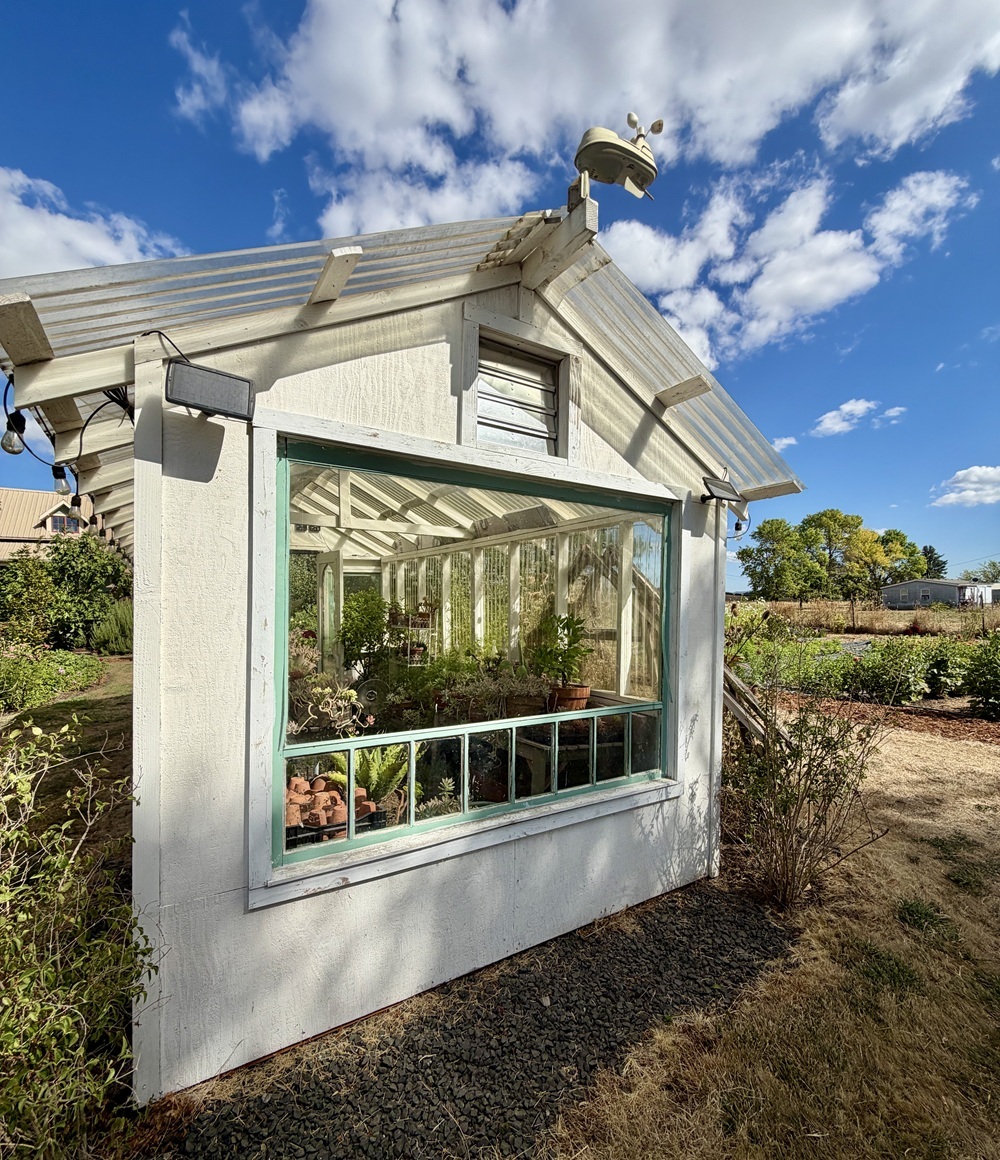
A small DIY greenhouse made with both corrugated plastic and old windows
PC: Leslie F. Halleck
What to Consider When Choosing a Greenhouse
There are many factors to consider when choosing your greenhouse, and I dig into all the specifics on those choices in my new book "Home Greenhouse Revival; Growing Year-Round Foliage, Flowers & Food". But for a quick reference, here are some of the most important considerations when choosing a greenhouse:
- Which plants do you want to grow in the greenhouse and when?
- Location: How much flat space do you have? How big can you build?
- Exposure: What is the sun exposure - do you have an east to west orientation with a southern exposure?
- What is your climate and weather like? Heavy snow, rain, or wind? Or do you live in a hot climate?
- Given your climate, which materials for the framing and glazing best suit your situation?
- What are the zoning, setback, and permit requirements in your are for accessory buildings such as greenhouses?
- What type of foundation do you need based on the size and weight of materials?
- Can you wire and plumb your greenhouse for electricity and water? (you'll likely need permits)
- And of course, what is your budget? Do you want to DIY or have a custom build?
There are of course many other considerations, which I cover in my book, but these are pretty important places to start.
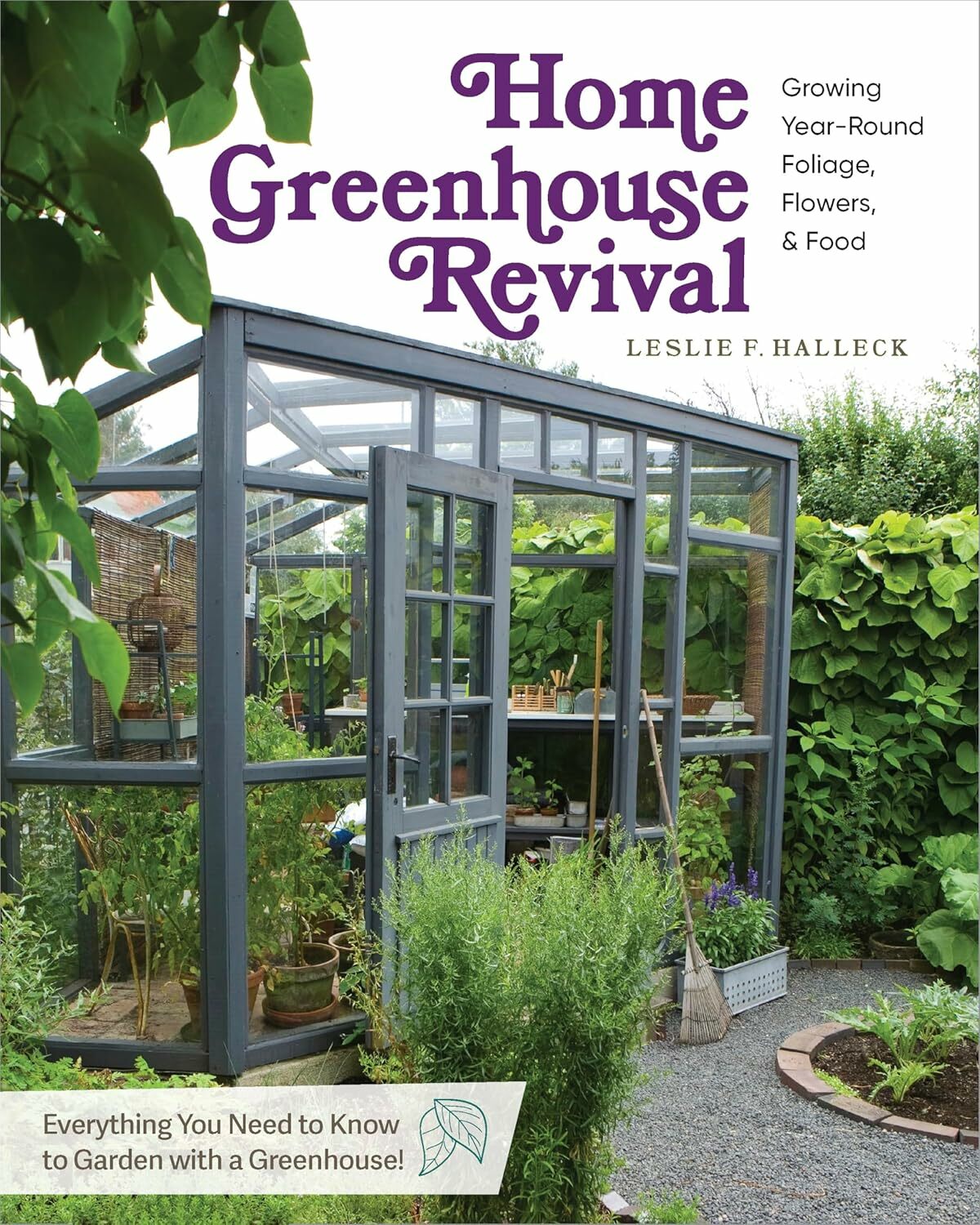
One of the Biggest Greenhouse Mistakes
One of the biggest mistakes I see new greenhouse growers make (and regrets from existing greenhouse owners) is buying or building a greenhouse that is just too small for their growing goals. It's easy to forget to consider how much space inside the greenhouse will be taken up by fixtures and supplies, leaving you with much less growing area than you anticipated. You can very quickly run out of space for the plants you actually wanted to grow in the first place.
That small greenhouse often ends up just being an extra storage shed in the backyard. I've seen it too many times!
Now, you may simply not have enough space on your property for a big greenhouse. That's ok. You can absolutely keep things on the smaller side with your first greenhouse - just be sure to manage your growing goals and expectations upfront, taking into account how many square feet of growing space you'll actually have. if you plan for that ahead of time, you'll be able to make the most of the space you have for clearly defined growing plans.
Another good strategy if space or budgets are limited, is to start with one small greenhouse, then add another small greenhouse later if space and budgets allow. Then you can have different temperature zones for different plants or crops.
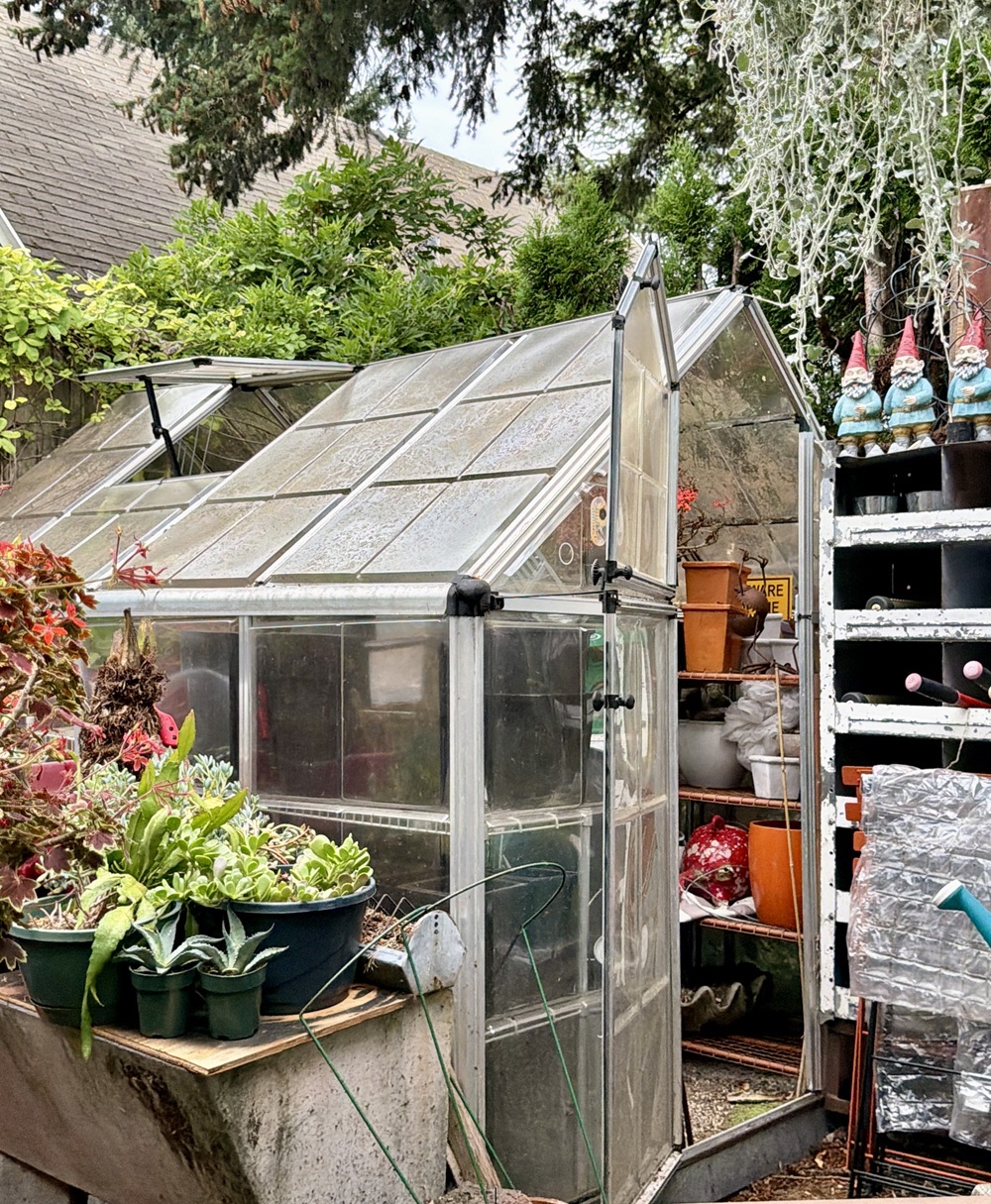
This greenhouse was obviously too small and too shaded, and now it's just become a storage shed.
PC: Leslie F. Halleck
Plan Plantcentric
Instead of focusing only on the type or aesthetic of the greenhouse you think you want, always take a plantcentric approach to your greenhouse plans first. Start with what you want to grow and when and then work backwards to the type of greenhouse you really need to achieve those goals. A seasonal greenhouse for jumpstarting seedlings (if that's your only need) may look or cost differently than a greenhouse that's adequate for a year-round collection of tropical orchids. All of that will depend on your climate and weather.
It's pretty heartbreaking to have to tell folks who have spent a lot of money on a greenhouse that what they've created may not work for the type of plants or the seasons in which they were hoping to grow or harvest.
In my book, I divided out a number of greenhouse categories by temperature range and type of plants and crops, that you can then correlate with the types of framing and glazing that are best for different climates.
Do you want to grow plants, or entertain?
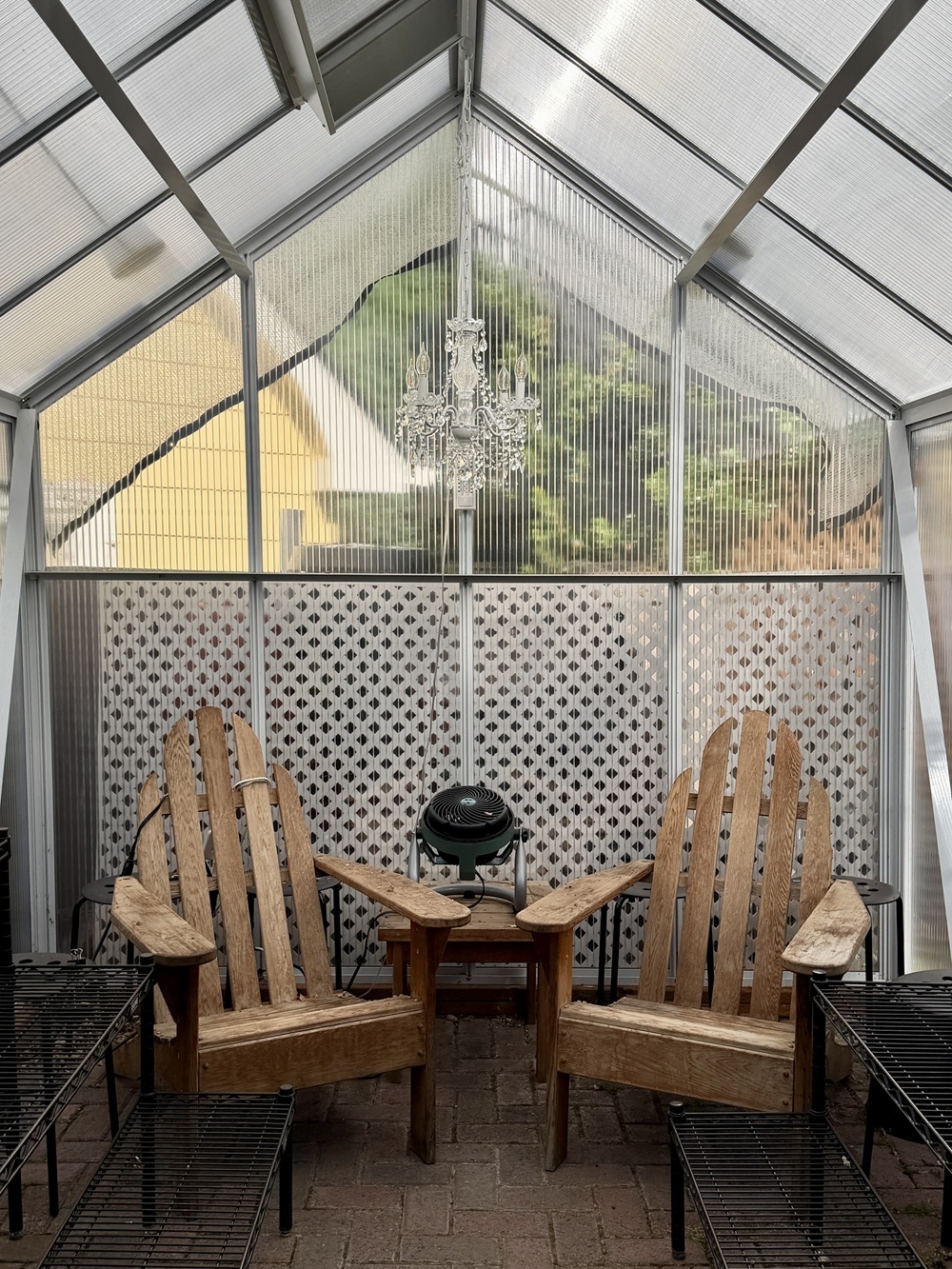
This greenhouse gets too hot in the summer, so it's emptied out of plants.
PC: Leslie F. Halleck
Another important consideration is how you plan to use the greenhouse. Are you expecting to be able to host parties in the greenhouse or use it as a study? There are a lot of fancy photos going around these days of greenhouses that are essentially outdoor entertaining rooms, but are still being sold to you as plant growing greenhouses. We typically refer to spaces that are intended to serve both human activities and plants as conservatories or sunrooms. But I'll caution you to manage your expectations, especially if you live in a warm or hot climate. Often the conditions in your greenhouse will be uncomfortable for you to entertain in if your plants are happy. Temperatures may be too warm, or humidity to high for you and your friends and family. If you make the greenhouse perfectly comfortable for you, your plants may not thrive.
If you have big gardening goals, focus on creating a greenhouse environment that's best for the plant species you're growing - that might mean the parties or writing room stay in the house!
Why you might want a greenhouse
Ultimately, there are many reasons you might want or be ready for a greenhouse. Food security is a big reason these days, as we all want better access to safe fresh food. Being able to extend your growing seasons and harvests are a big plus of owning a greenhouse. Some of you may even have commercial aspirations or want to start selling produce or plants at your local farmer's market.
Perhaps that growing houseplant or orchid collection you started during the plantdemic has taken over your home and they need their own. Or perhaps your prized dahlia tubers need a protected area to overwinter
Or all of the above!
Whatever your growing goals, greenhouses are having a moment right now. There are SO many new accessible options available to home gardeners, not to mention lots of cool tools that you used to only find available to the commercial industry.