Listen to This Before You Buy a Greenhouse! With Leslie Halleck
September 10, 2026
Home Greenhouse Revival; Learn Before You Grow
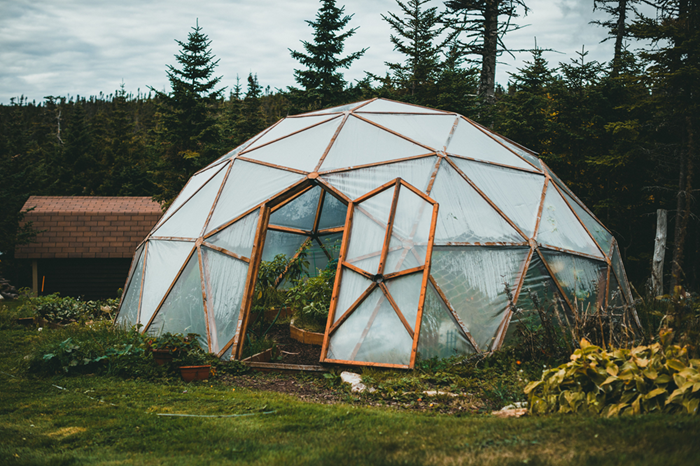
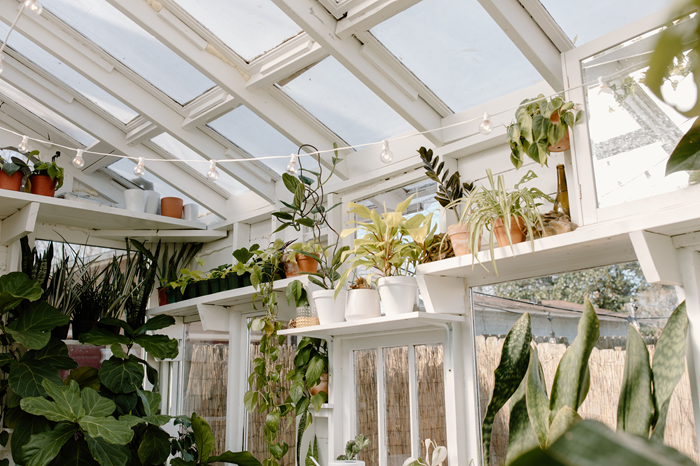
Have you fallen down the greenhouse rabbit hole yet, plant friends? If you've had plants for more than a year, you're probably like Maria, who's started Googling “how to put a greenhouse in my backyard” already. She learned that a greenhouse isn't a big plant shelf but a structure, and it's probably the largest single purchase you'll make as a plant parent. Maria is in Zone 10b in Florida and and she still hasn't built hers. So she asked Leslie Halleck, a favorite podcast guest, a long-time friend, and someone who has a master's in greenhouse production and a new book called Home Greenhouse Revival, what to figure out first. And Maria thinks she also holds the guest record for most appearances on the show! Let's dive in!
In this episode of Growing Joy, we learn:
- [02:06] Meet Leslie Halleck
- [02:33] Moving her whole life and business from Texas to Oregon
- [03:29] Why the Pacific Northwest is a ‘horticultural mecca’ for gardeners
- [04:42] Leslie’s new 6-acre property (what she calls folia forest farm)
- [06:49] What does her “pocket farming” look like?
- [09:03] Why are greenhouses trending?
- [12:51] What is the biggest greenhouse mistake?
- [14:13] Why cooling a greenhouse is so much harder than heating one
- [15:29] Experience the richness of single-origin honey with 3x more antioxidants with Manukora Honey!
- [17:47] Hoop house vs. glass house
- [18:47] What are the elements that make up a greenhouse? (utilities and infrastructure)
- [21:21] Greenhouse framing materials and glazing!
- [22:43] Is there a beginner-friendly greenhouse?
- [25:04] What Leslie thinks about thrifted/DIY vintage window greenhouses
- [27:41] How to pick the right greenhouse size?
- [29:48] Greenhouses as the expensive part of a cheap hobby
- [30:33] Using multiple greenhouses to zone temperature and humidity
- [32:47] What about a half-empty greenhouse?
- [33:26] What is AOI (angle of incidence)? How roof pitch and sun angle affect how much light gets in
- [35:49] Inside the plant profiles (PPFD, DLI, photoperiod, fertilizer PPM, and VPD)
- [39:21] How does pest management in a greenhouse work?
- [43:33] Leslie's dream greenhouse for her new property (and why she's leaning Venlo)
- [48:23] How greenhouse pricing and options have changed and where to find good manufacturers
- [50:26] Why you want someone local who knows your climate and orientation
- [51:29] Starting small without setting yourself up to fail (and reviving a greenhouse that already flopped)
- [54:10] Where to find Leslie, the book, her gardener's round tables, and her UCLA courses!
Pick Your Plants Before You Pick Your Greenhouse
Leslie says this is the number one mistake plant parents make: you aren't being plant-centric about the decision. So she suggests reverse-engineering it.
Start with what you want to grow, when, and in your climate.
She's been called in to consult on expensive greenhouses after they were built, just to tell the owners it won't do what they wanted.
So before you look at a single greenhouse, answer this. Are you…
- Overwintering orchids?
- Winter tomatoes and peppers?
- Starting seedlings early?
- Overwintering tropicals somewhere cold?
Cooling Is Harder Than Heating
This is why my Florida greenhouse can't look like Leslie's Oregon one.
Over 85°F inside and plants struggle. At 90°F, they tank and pests take off. And if it's over 90°F outside, inside runs much hotter unless you're cooling it.
For example, people keep citrus in the greenhouse all summer in hot climates. All you're doing is breeding scale. It's more ideal to put it outside.
Note: Leslie also talks about AOI (angle of incidence), which is the angle of your greenhouse roof pitch against the angle of the sun. The more perpendicular those two are, the more light transmission you get inside. Steeper pitch, more light.
The Greenhouse Isn't the Only Thing You're Buying
I really thought that greenhouse was the thing you bought. It isn't. Here's what else has to be in the plan:
- Water access
- Drainage and flooring
- Electricity
- Grow lights
- A foundation
Note: People assume a greenhouse means free sun forever. But winter days are short and light levels are low, so January seedlings still need lights, which means you may need grow lights!
What Size Greenhouse Do You Need? Everyone Says Bigger
My dear friend Joe Lamp'l installed an epic greenhouse and already wished he'd gone bigger. Leslie said, “That's always what everybody says.”
Going too small is why so many small hobby kits end up abandoned. In an 8×10 or 8×6, here's your realistic ceiling:
- Seedlings and cuttings
- A few potted plants
- A few tender perennials over winter
That's about it, and most people get frustrated with that pretty quickly.
Note: I suggested buying big and growing into it, but Leslie said that a half-empty greenhouse is harder to manage than a full one, because you lose heat.
Greenhouse Pest Control: You Just Built a Buffet
You might think that since a greenhouse is a contained, hyper-controlled microclimate, there are no predators in it. Apparently, every perfect condition you built for your plants is also the perfect condition for pests.
So pest and disease management in a greenhouse is often a higher priority than out in your open garden.
Here's what it takes:
- Scout constantly
- Use yellow sticky cards
- Check every new plant before it goes in
- Keep a separate pair of greenhouse shoes
- Release beneficial insects
Start a Greenhouse Now!
You can start small, for sure, despite what Leslie and I said about going bigger. I mean, you just have to match your plant goals to that simplicity!
And it's okay for your greenhouse to sit empty a few months a year. In a hot climate, there may be two or three summer months where everything comes out and it becomes a shade house.
I'm still planning mine, though, and doing the homework.
So if you're anywhere near this decision, you should grab Leslie’s book, Home Greenhouse Revival. It's pretty technical, with about 75 plant profiles and real numbers instead of “bright, diffuse light.” That means actual PPFD (light intensity), DLI (daily light integral, which means total daily light), photoperiod, and VPD (vapor pressure deficit). It's the perfect guide for beginner greenhouse owners!
Mentioned in our conversation:
- By Leslie Halleck:
- The Gardener's Roundtable