Microgreens: What to Grow in the Cool Season

October 27, 2026

What Can You Grow in Your Cool Greenhouse?

Microgreens are a great option

As we head towards the colder winter season, many folks ask what types of edibles can they still start indoors or in a greenhouse right now. The other question I get a lot is “which crop can I grow now that is the most nutrient dense?”. If you’re looking for crops that can both germinate and grow in cooler temperatures and deliver big ROI on health benefits then microgreens are a great option. 

Not only are the species that you seed to grow microgreens mostly cool-season vegetable crops, the tiny seedlings are especially nutrient dense. So what exactly qualifies as a “microgreen”? Technically, microgreens are the seedling sprouts of anything edible. Mostly though, we use cool-season crops such as spinach, kale, chard, beets, arugula, basil, lettuce, broccoli, cilantro, and others. While basil also makes a nice microgreen, it won’t be as happy in a cool or cold greenhouse as its a warm-season grower.

What's the difference between “microgreens” and “sprouts”? Not much, but microgreens are just a bit older than sprouts, and have developed at least a couple of true leaves and a small root system.
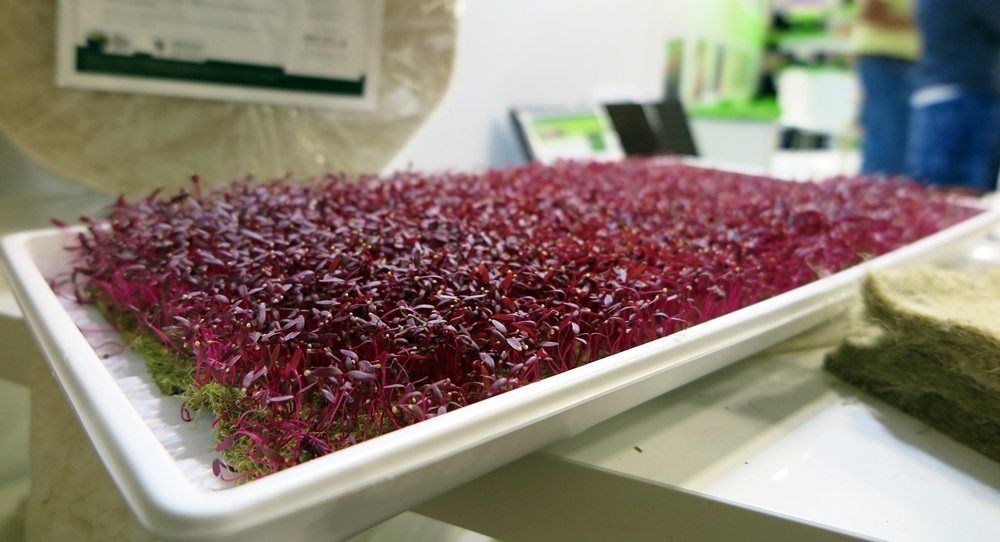
PC: Leslie F. Halleck

Photoperiod and Lighting for Microgreens

Most microgreens or mixed microgreens will be long-day plants when it comes to photoperiod. That means growing them under long photoperiods triggers and speeds up time to flowering. Obviously, we're growing microgreens for their vegetative growth, not the flowers. However, since you’ll be harvesting microgreens so quickly – with perhaps only a couple of true leaves – you’ll usually be harvesting and eating them before they’ll start flowering. So as long as you don’t wait too long to snip them, you can go ahead and grow them under longer photoperiods 14-16 hours, depending on your lamp’s light output, to boost production.

You can grow microgreens under relatively low to medium light conditions, but you’ll want them close to a light source. You can get away with a DLI (Daily Light Integral) of about 5-7 mol/m2/day, but you can boost vigor and speed by going up to 18 mol/m2/day. For light intensity strive for a PPFD (Photosynthetic Photon Flux Density) of  about 100-150 umol/m2/s (which you can measure accurately using a quantum flux meter, or a phone app for a ballpark measurement. 

For bigger harvests or commercial production, use of LED grow lights to grow microgreens are beneficial, and if your indoor space or greenhouse is relatively dark during the winter I would suggest grow lights, just as you would use for growing transplants from seed. If you're trying to boost antioxidants in your microgreens you can use LEDs that emit radiation in the UV spectrum, but you'll need to use sun protection around those grow lights just like you would being out in the sun. 

How to Seed and water Microgreens
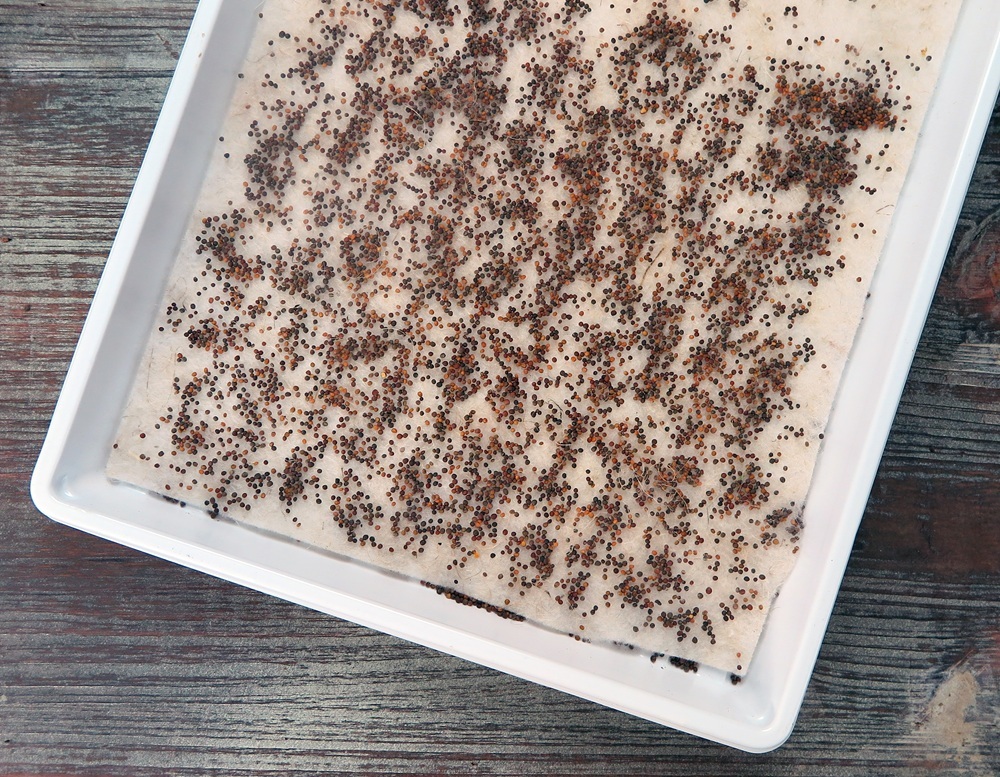
Microgreen seeds on felt capillary mat
PC: Leslie F. Halleck

Direct seed your desired microgreen, or mix of seeds, into enclosed seed tray without drainage holes, or any shallow container without a hole. Use a lightweight seed-starting mix. 2-inches of soil within the tray is plenty. Sprinkle seeds across surface of moist soil and mist to moisten. For greenhouse production I prefer to use soilless or inert media. Felt capillary or coir water-wicking mats can be used in place of soil to cut down on diseases such as damping off.  Simply place the mat in the bottom of your tray and sprinkle seeds on top. Be sure to moisten either the seed mix or the mats before you seed. While you want to create a thick stand of seedlings, don’t seed so densely that seeds are on top of one another, which will cause air circulation problems. 

To water microgreens just use a humidity dome over the tray until the seeds germinate then remove it. Keep soil or mats consistently moist (not soggy) using a misting spray bottle. 
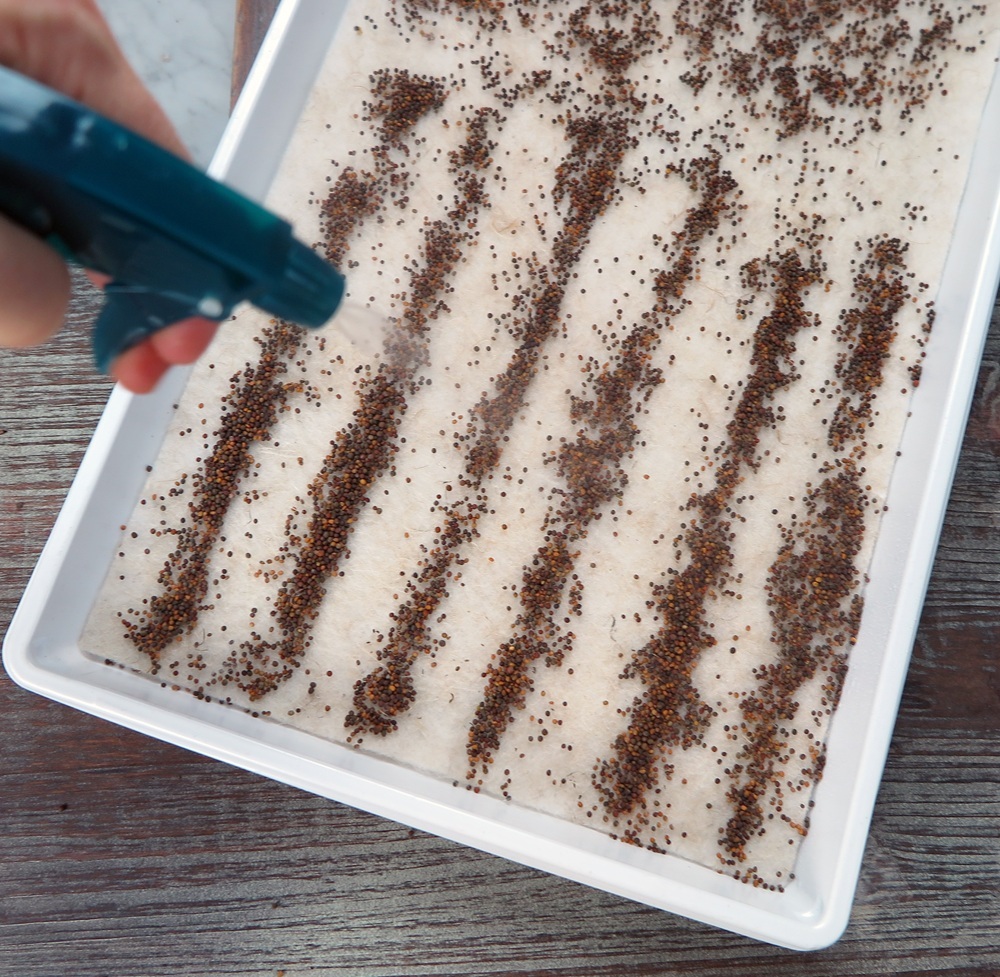
Misting microgreens
PC: Leslie F. Halleck

Temperature for Microgreens

The ideal daytime temperature for most microgreens is about 60-70 F (16-21 C), with nighttime temperatures 45-55 F (7-13 C). If your greenhouse is cooler, simply use a heat mat under the seed tray to speed up germination and development.

Space to Grow Microgreens

The space required to grow microgreens is minimal and you typically only need about two square feet of space to keep a regular harvest going. 

Fertilize Microgreens

Fertilization isn’t typically required for microgreens but if you’d like to grow them bigger and are using inert mats to grow them, you can feed with a ½ strength (diluted) 2:1:3 ratio liquid fertilizer liquid seaweed or kelp, just as they begin to develop a true leaf. This feed will help improve flavor and nutritional value.

Pests & Diseases of Microgreens

Mold and fungal damping off disease is the most common problem if seedlings stay too wet or humidity is too high. Seeding to densely can encourage a mold problem, rendering your microgreens inedible. Fungus gnats can be an issue in soil based media but are usually not an issue when using capillary or coir mats. You can use a diluted solution of 3% hydrogen peroxide in the soil or mat (10 parts water to 1 part HP) to help suppress molds and fungi. 
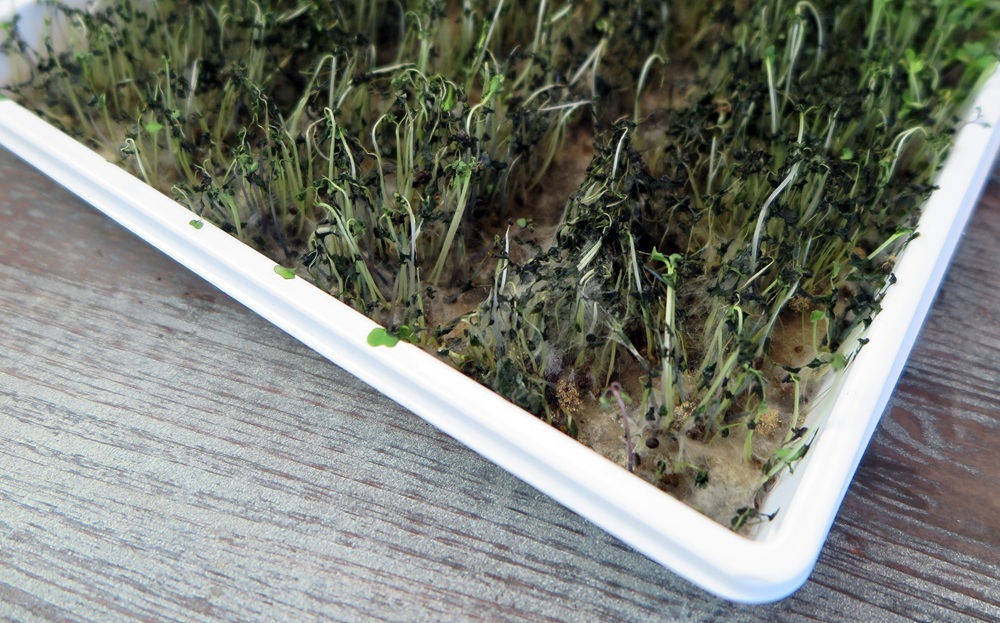
Damping off disease in microgreens
PC: Leslie F. Halleck

Get More Information on Growing Microgreens

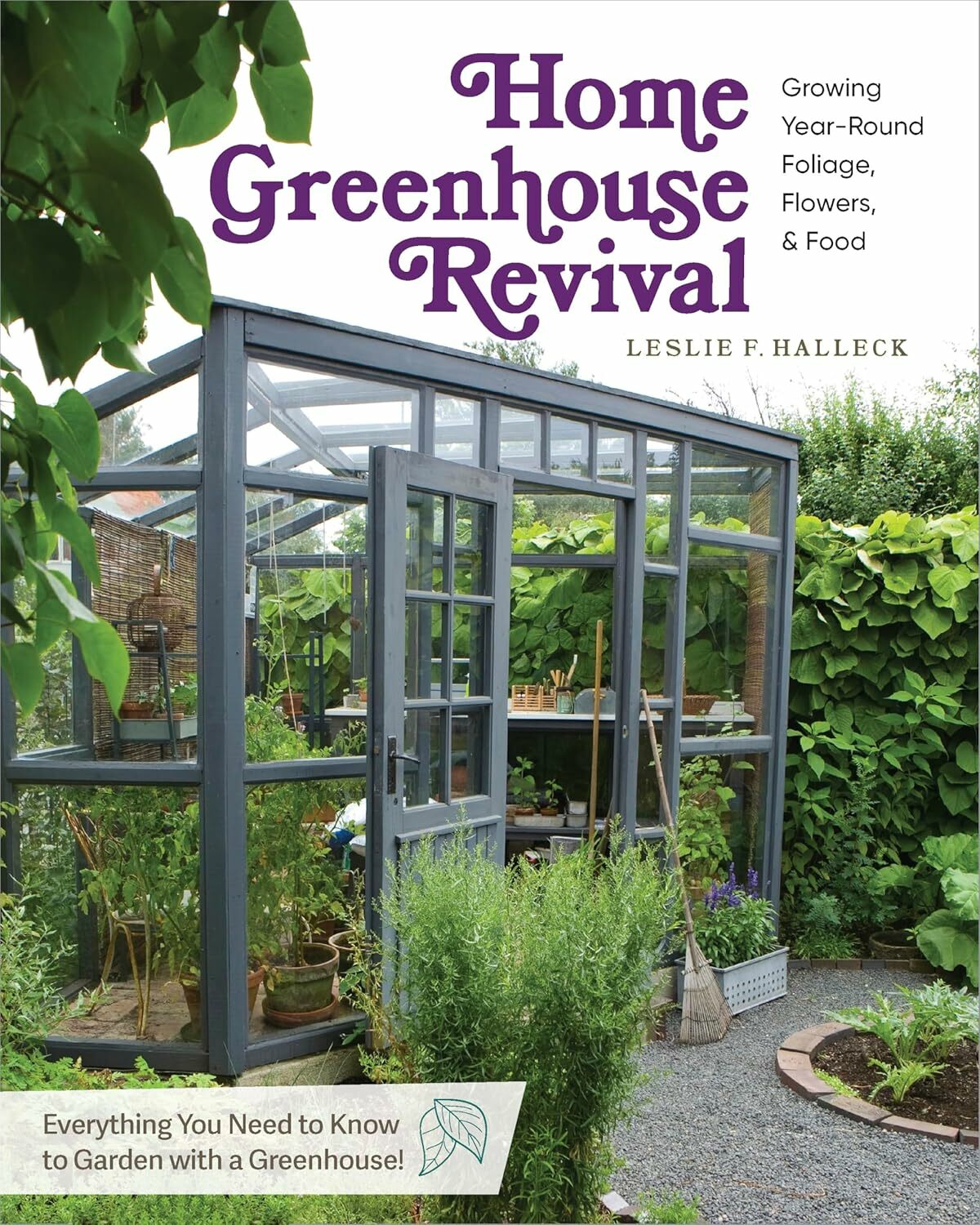
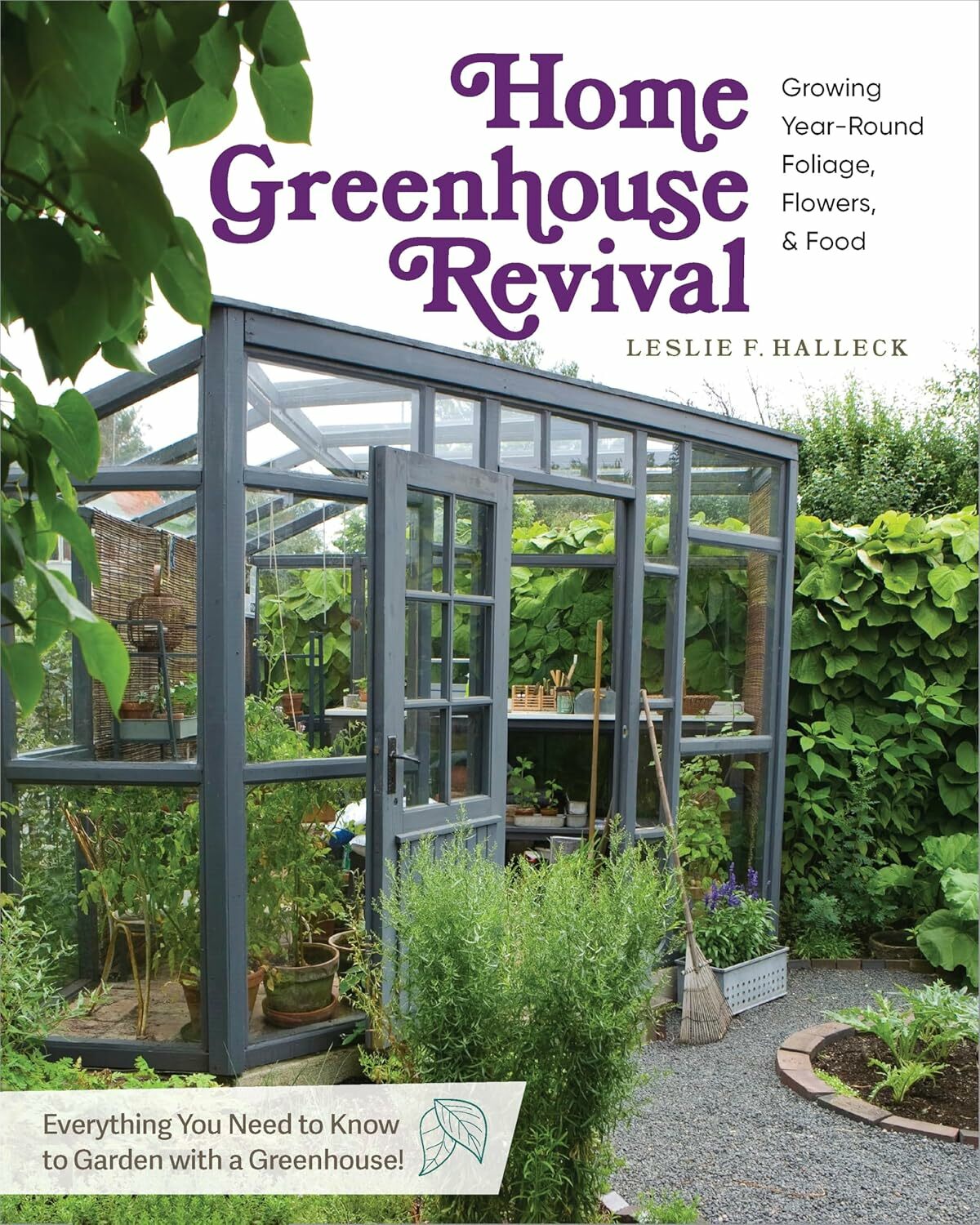
If you'd like more detailed information on growing microgreens in your greenhouse or indoors, as well as grow lighting and plant nutrition, grab a copy of my new book "Home Greenhouse Revival" and turn to page 152. All of the detailed plant growing information in the book is also relevant to growing plants indoors and even the outdoor garden. 

You can also sign up for my upcoming Greenhouse Masterclass online, November 18-19. 
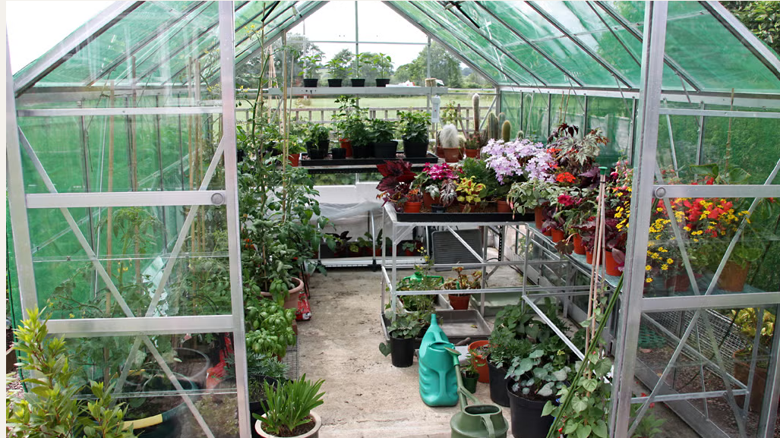

Year-round Gardening is Within Reach

October 6, 2026

Gardening with a Greenhouse on Wisconsin Public Radio

Leslie Halleck’s new book provides practical advice for any greenhouse gardener

A new book from certified professional horticulturalist Leslie F. Halleck aims to prepare any gardener to successfully construct and utilize a home greenhouse.

Halleck told “Garden Talk’s” Jill Nadeau that “gardening is what we call an embedded trend in our culture. It’s not going anywhere.”

As a new generation of people discover greenhouses, Halleck said there are plenty of options to fuel the revival, including affordable kits for the home gardener and abandoned greenhouses in backyards waiting to be revived.

PC: Marilyn Peddle (CC BY 2.0)

You can listen to the entire episode HERE as well as read all the rest of the notes from the episode.


GardenDC Podcast: Greenhouse Gardening in the Mid-Atlantic

October 4, 2026

In this episode of GardenDC: The Podcast about Mid-Atlantic Gardening, we talk with Leslie F. Halleck, author of Home Greenhouse Revival. The plant profile is on Cigar Flower (Cuphea ignea) and we share what's going on in the garden as well as some upcoming local gardening events in the What's New segment. We close out with the Last Word on "Growing Points" from Christy Page of GreenPrints.

I had a great chat with host Kathy Jentz about important considerations when planning a new greenhouse, as well as strategies for reviving an existing one. You can listen to the entire episode and read the notes HERE.


NEW: Lace-Leaf Heuchera FYRE WING Coral Bells

September 29, 2026

New Series of Lace-leaf Heuchera, or Coral Bells

One of the benefits of heading to horticulture industry shows such as Farwest and GardenComm in the summer is getting a behind the scenes look at all the cool new plant cultivars that are hitting the market, or will be the following spring.

I'm lucky enough to call Terra Nova Nurseries a nearby neighbor here in Oregon, but their founder Dan Heims is also an old friend of mine. Dan has donned the industry title of "Heuchera King" and they've certainly dropped some very cool new plants on us this year with their FYRE WING series of lace-leaf Heuchera (coral bells) cultivars.

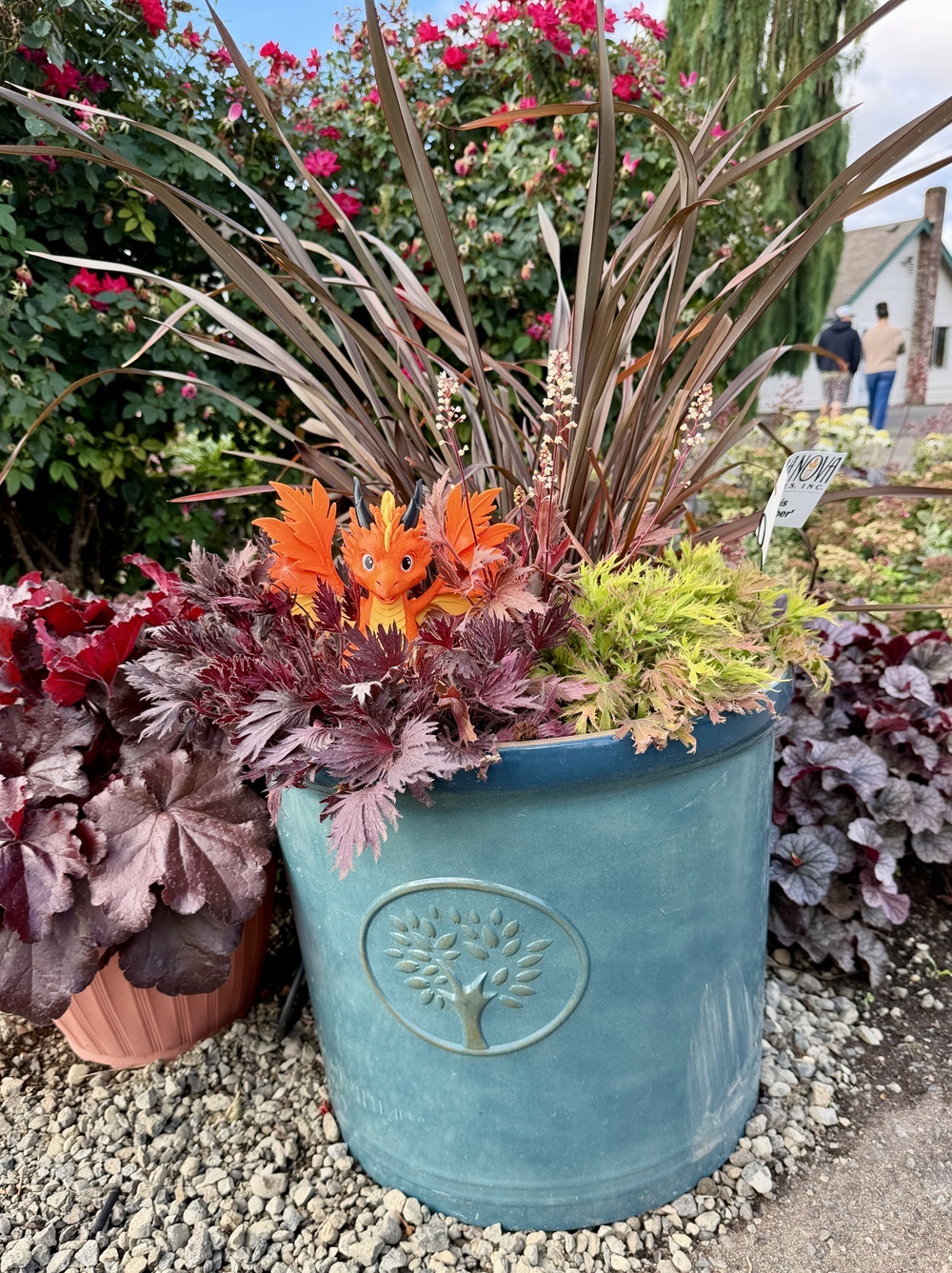
FYRE WING mascot at Terra Nova Nurseries
PC: Leslie F. Halleck

It's been years since I toured the TN nursery so I was happy to make it back now as a neighbor. Dan the man gave us a back house tour of the greenhouses and tissue culture lab where they generate millions of plants for the nursery trade.

New Cultivars in the Series

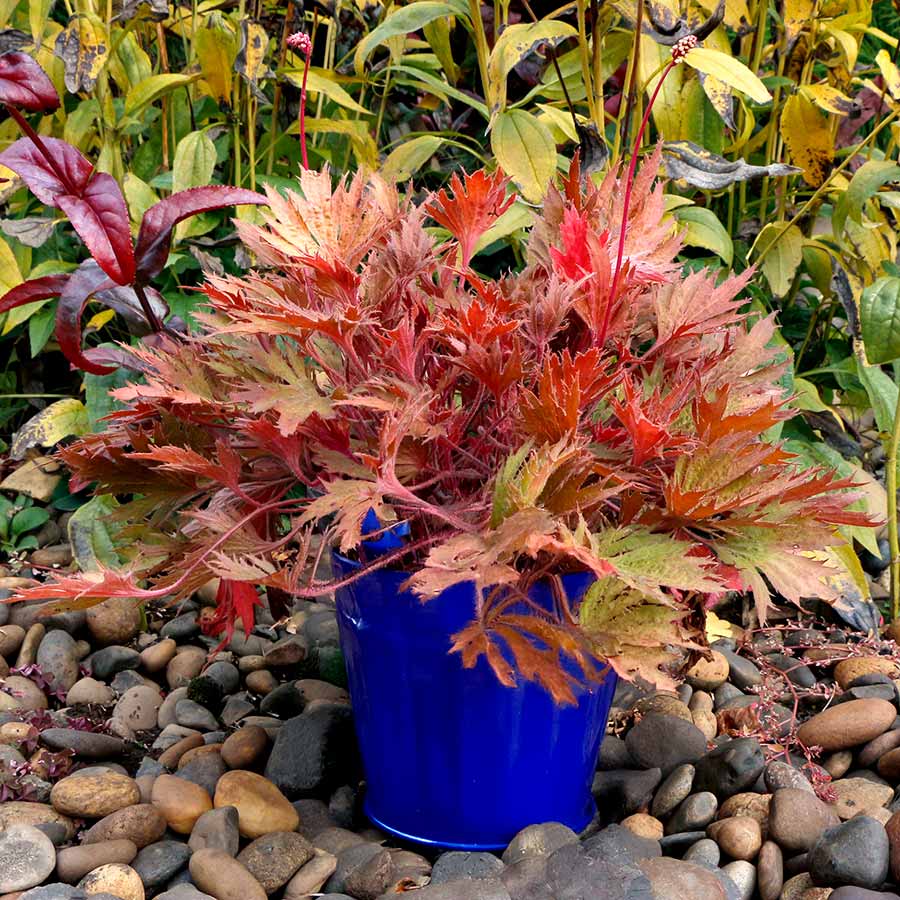
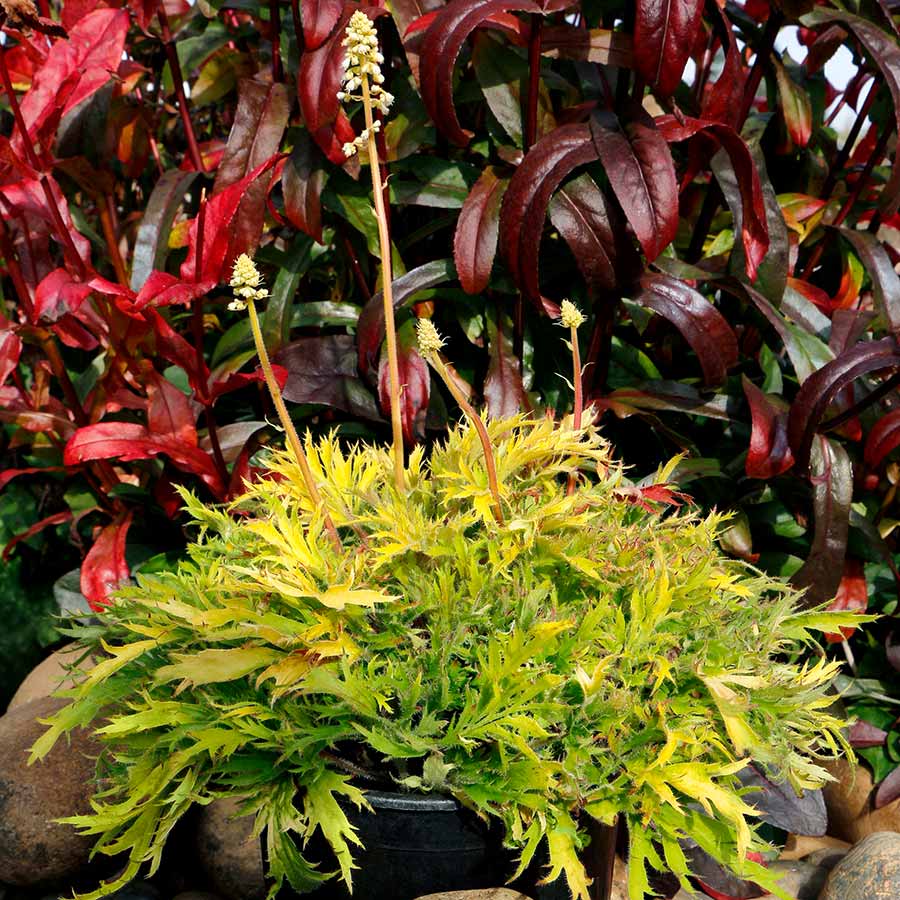
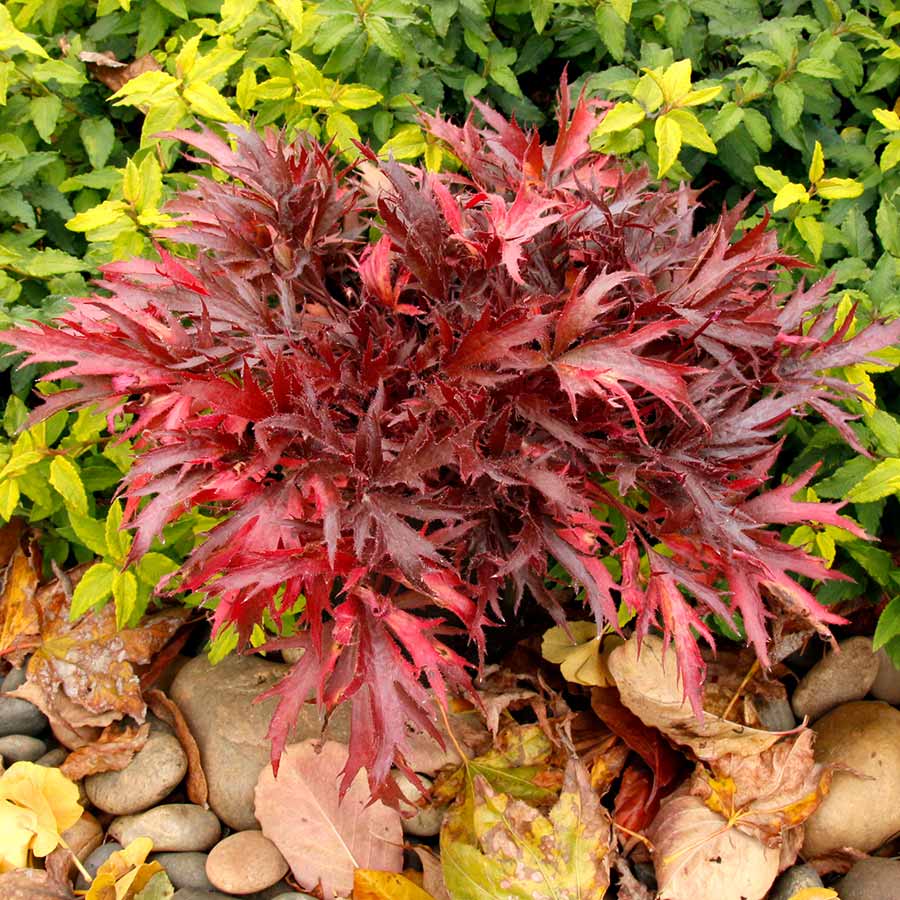
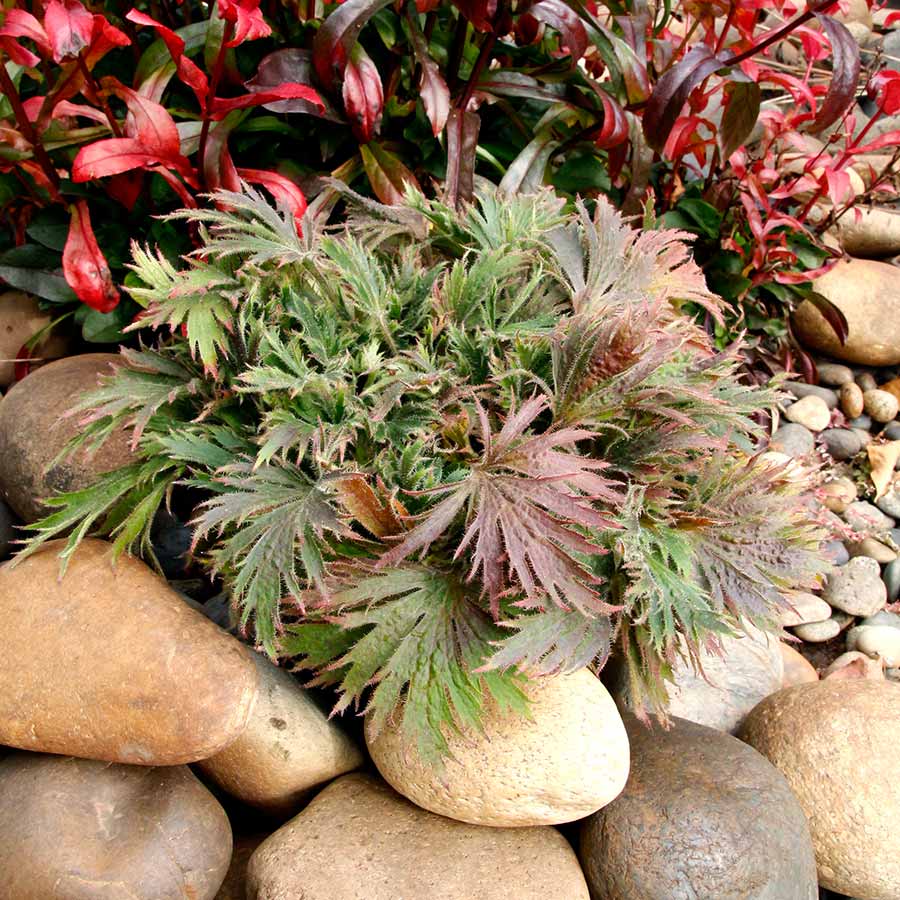
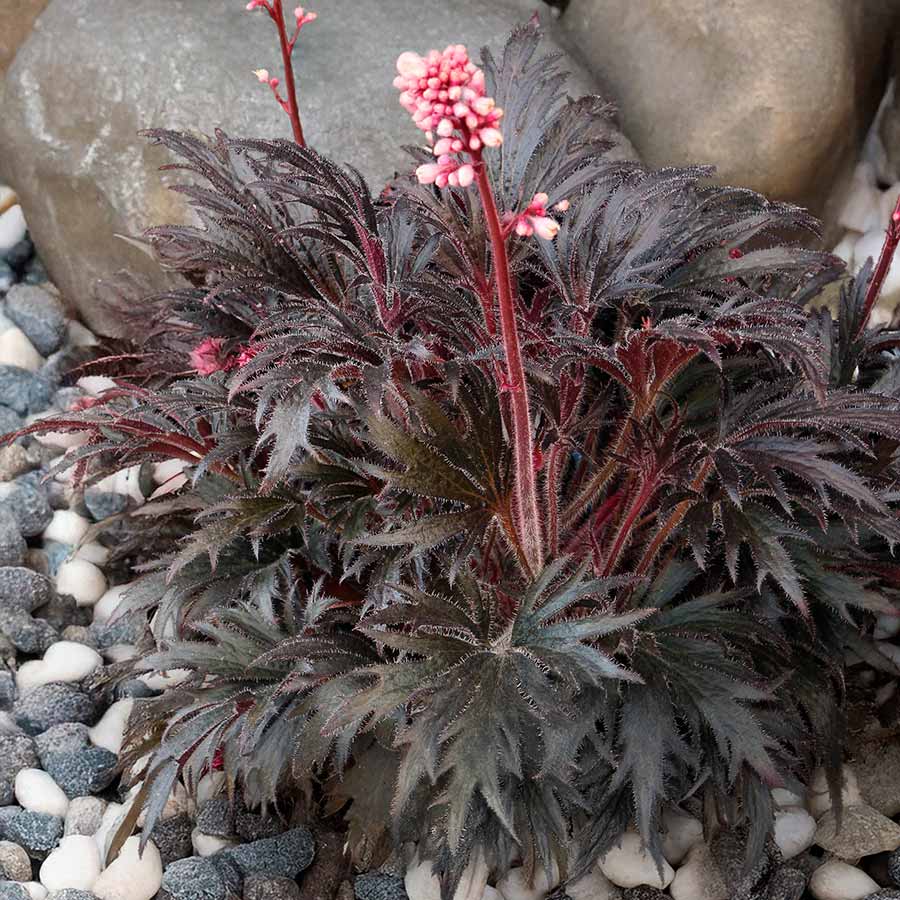
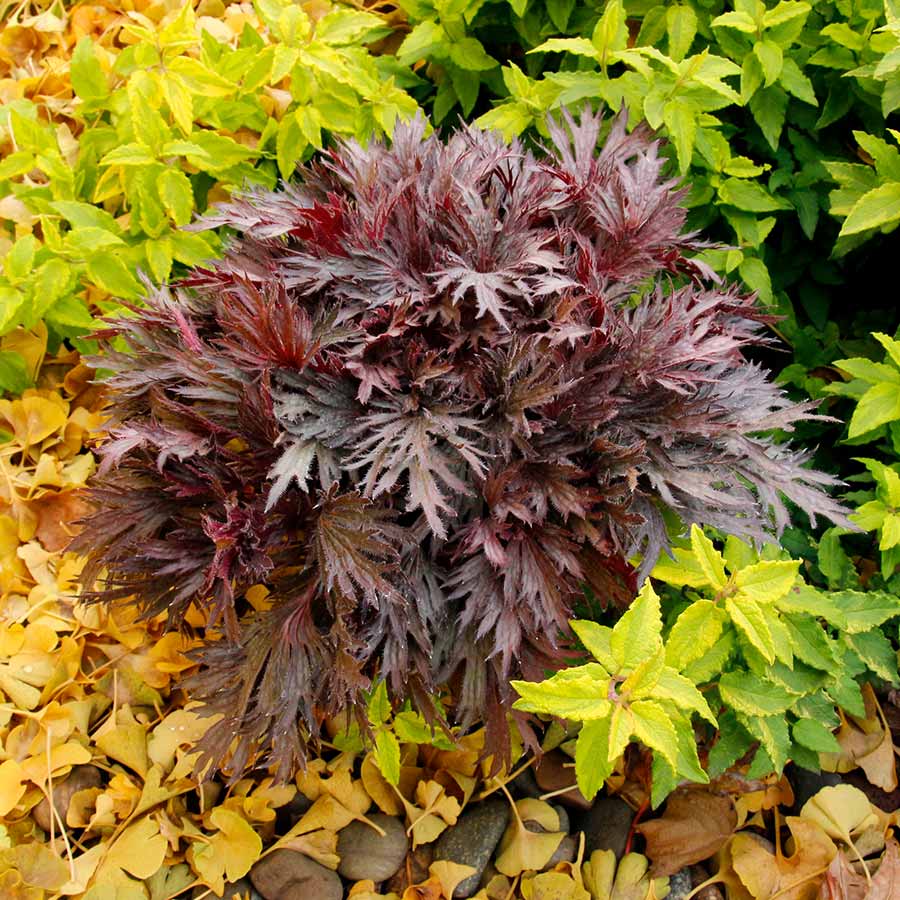
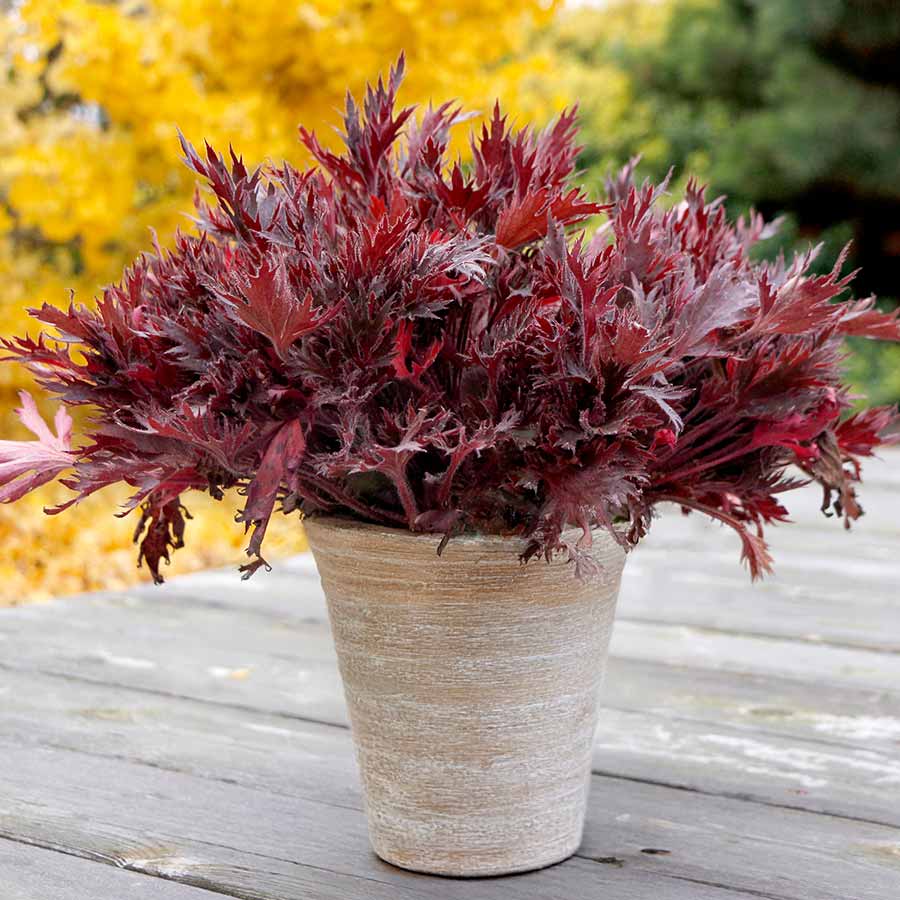
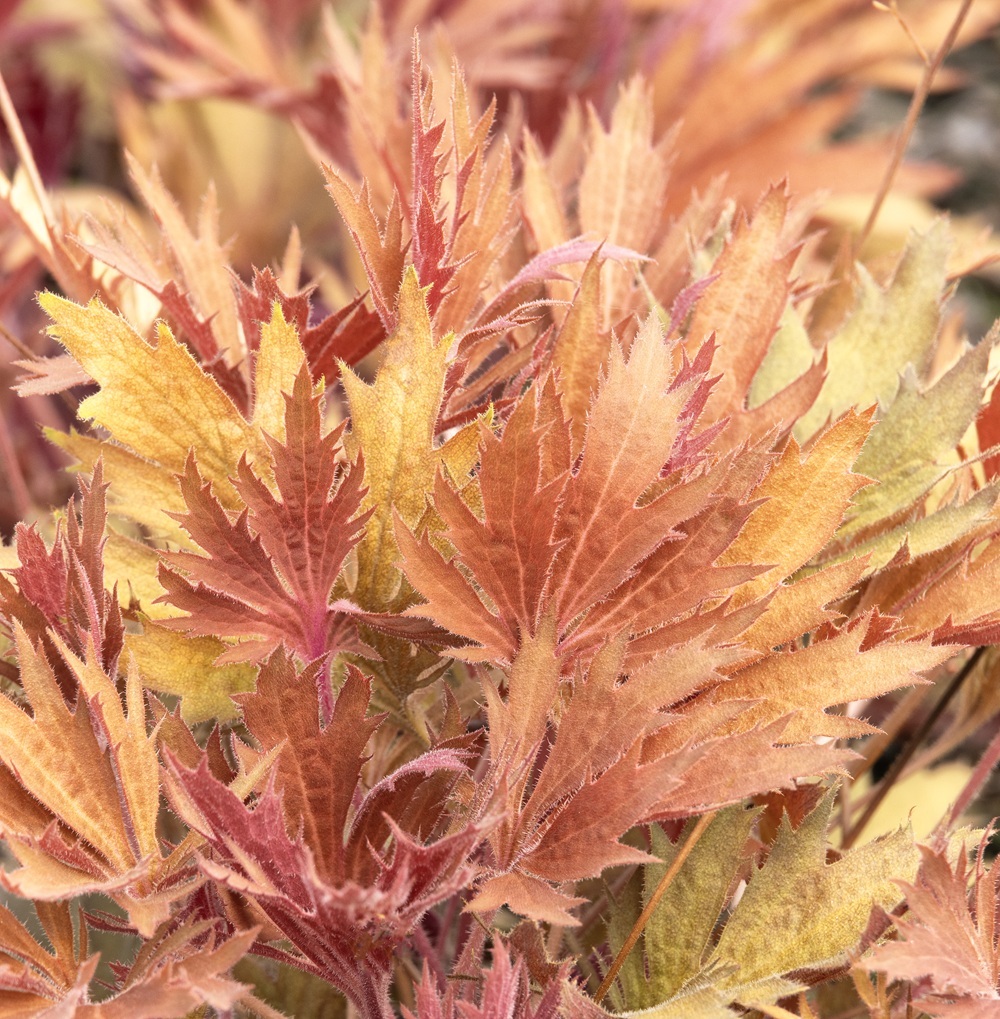
There are currently seven cultivars in the series with foliage color ranging from bright orange to, chartreuse, to very deep burgundy. I think 'Amber' and 'Heliodore' are my favorites, but we'll have to see how they play out in the garden.

The 7 plant images below are all credited and copyrighted to Terra Nova Nurseries.

Heuchera FYRE WING™ 'Amber'

Heuchera FYRE WING™ ‘Amber’

‘Amber’ was born in autumn’s golden hour. Warm, welcoming, and endlessly cheerful, they gather friends like fallen leaves. His layered wings glow in shifting tones of honey and fire, carrying the comfort of harvest light.

Heuchera FYRE WING™ 'Heliodor'

Heuchera FYRE WING™ ‘Heliodor’

‘Heliodor’ is quick as new growth and bright as morning sun. Curious and bold, he chases light across garden paths. His laughter sparks fresh beginnings, and his wings shimmer like young leaves just kissed by warmth of spring.

Heuchera FYRE WING™ 'Hematite'

Heuchera FYRE WING™ ‘Hematite’

‘Hematite’ carries the strength of iron-rich earth. Bold yet grounded, he stands firm where others falter. His oxblood wings burn with restrained fire, forged in clay and ember rather than flame.

Heuchera FYRE WING™ 'Jadeite'

Heuchera FYRE WING™ ‘Jadeite’

‘Jadeite’ hatched beneath ancient forest canopies, where light filters through lace-leaf crowns. Calm, observant, and steady, he guards all growing things. His wings mirror spring’s first unfurling, and wherever he settles, renewal quietly follows.

Heuchera FYRE WING™ 'Jet'

Heuchera FYRE WING™ ‘Jet’

‘Jet’ hatched beneath a moonless sky. Silent and watchful, he moves with quiet grace. Midnight wings edged in silver catch only the faintest light, guarding secrets of soil, shadow, and the roots beneath.

Heuchera FYRE WING™ 'Rhodonite'

Heuchera FYRE WING™ ‘Rhodonite’

‘Rhodonite’ emerged at twilight, as silver mist clings to crimson foliage. Gentle but perceptive, she balances heart and strength. Her veined wings hold both blush and steel, reminding all that there is beauty in strength enduring.

Heuchera FYRE WING™ 'Spinel'

Heuchera FYRE WING™ ‘Spinel’

‘Spinel’ rose from deep twilight vineyards of lace-leaf shadows. Thoughtful and slightly mischievous, she glows in layered wine tones. Her wings hold dusk itself, rich, velvety, and quietly luminous

In the Garden

If you're looking to add new and unusual texture and color to the garden FYRE WING Heuchera will definitely do the job. They also look very pretty in mixed containers.

Now, in regards to deer resistance they will likely be in the same "maybe" category as most coral bells. You'll read that these plants tend to fall into the unpalatable category for deer due to the tannins and other bitter compounds in the plants. That said, I've had very hungry deer recently mow down all the Heuchera I planted the day before in my front garden. I've been told the FYRE WING series may be even less palatable to deer, and I'm hopeful on that account, but I will likely still be spraying them with deer repellent to be on the safe side.

Plants are generally winter hardy in USDA Gardening Zones 4-9 with heights in the 10-15 inch range. Plants do best with some afternoon shade or dappled shade. In hot southern climates Heuchera are primarily full to dappled shade plants, but up in the PNW and Midwest areas with milder summers, they are happy with some direct sun - morning sun is best.

FYRE WING Heuchera will be available in garden centers spring of 2027 BUT if you're lucky and do some hunting you might be able to find a few early release plants this fall of 2026 before they sell out!


Cool New Plant Varieties at Monrovia Breeder's Showcase

September 22, 2026

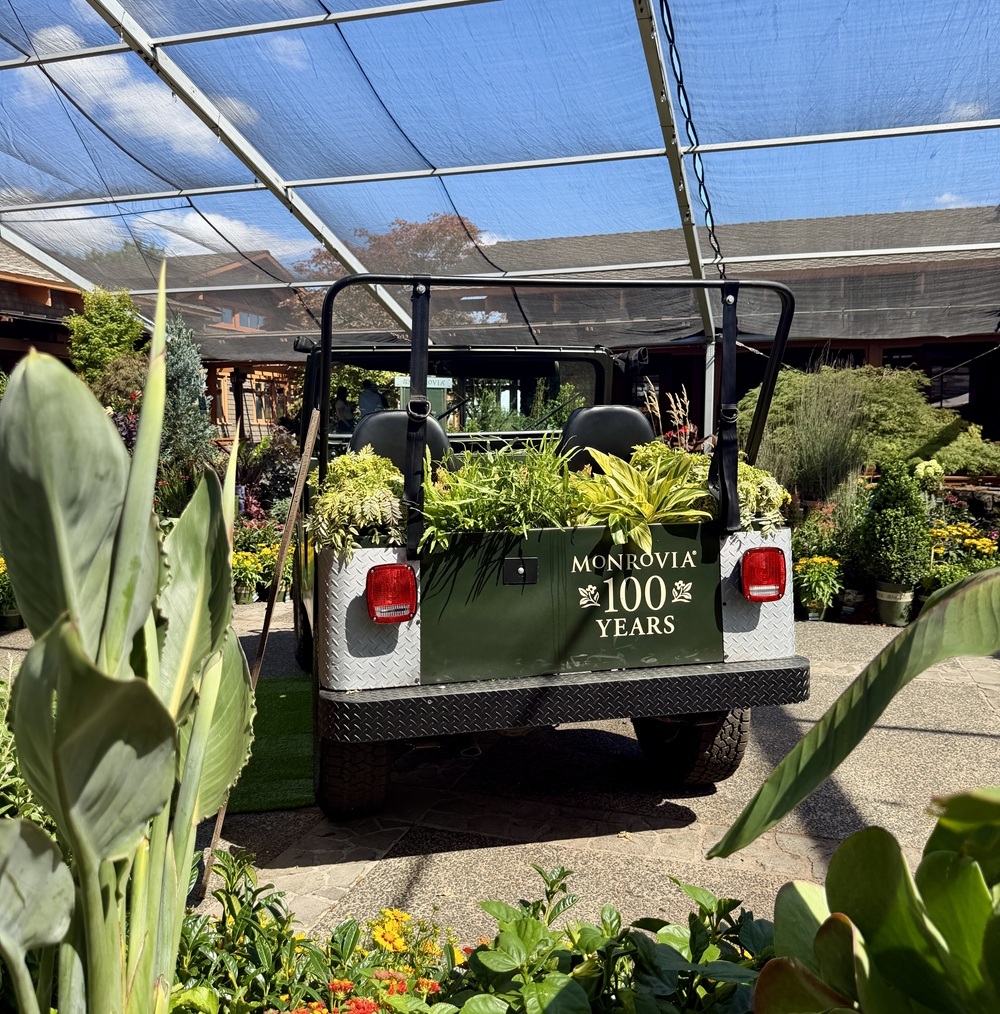
While I was attending both Oregon's Farwest nursery show and the concurrent GardenComm conference a few weeks ago, I had the pleasure of landing at Monrovia's headquarters, where they had a special plant breeder's showcase on display. The event was part of the Monrovia’s Centennial Celebration. Visitors included retail customers, industry partners, and media, viewed more than 400 perennial and shrub varieties in the display and were able to vote for their trial favorites.

There are also lots of other plants offered by Monrovia - especially in the edibles category - that I'll feature in a follow up post, but in this post I want to show you new varieties from multiple breeders that Monrovia works with.

Monrovia's 100th Anniversary
PC: Leslie F. Halleck

New Plant Varieties

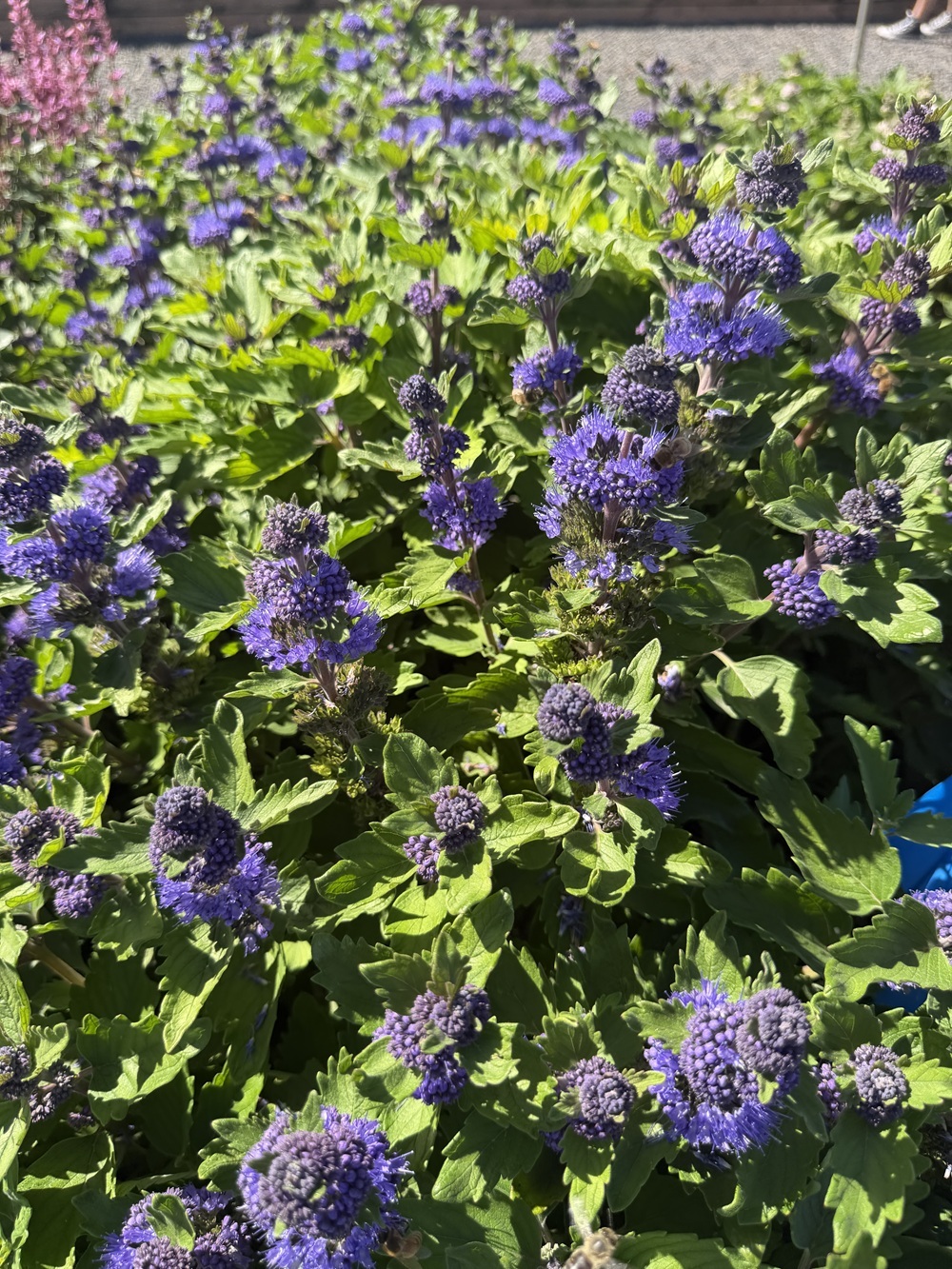
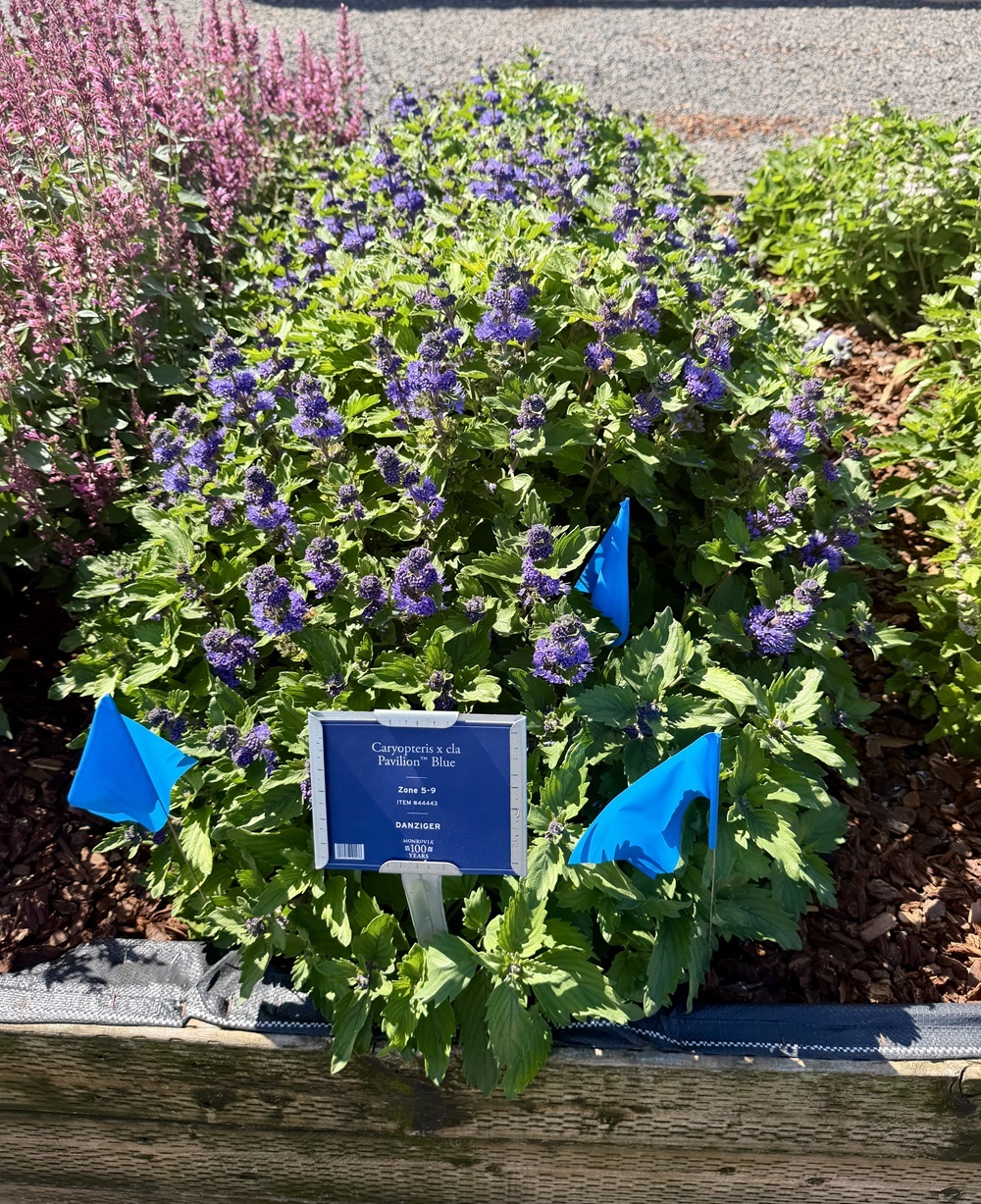
Now, my favorite in the new varieties showcasewas Caryopteris Pavillion Blue

Caryopteris Pavillion Blue from Danziger
PC: Leslie F. Halleck

Caryopteris Pavillion Blue votes
PC: Leslie F. Halleck

Caryopteris Pavilion Blue


Now there were lots of other flags on this plant too, but it appears to have come in 13th place overall. But I was mesmerized by the stunning deep blue-purple blooms and the flowers were covered with pollinators. The slightly chartreuse foliage is a great companion to the intense flower color. So it's still a big winner in my book. Plus, plants in this genus are good to grow across many climates, even hot humid ones.

This new cultivar is put out by Danziger.

Scabiosa Deep Ocean Blue
PC: Leslie F. Halleck

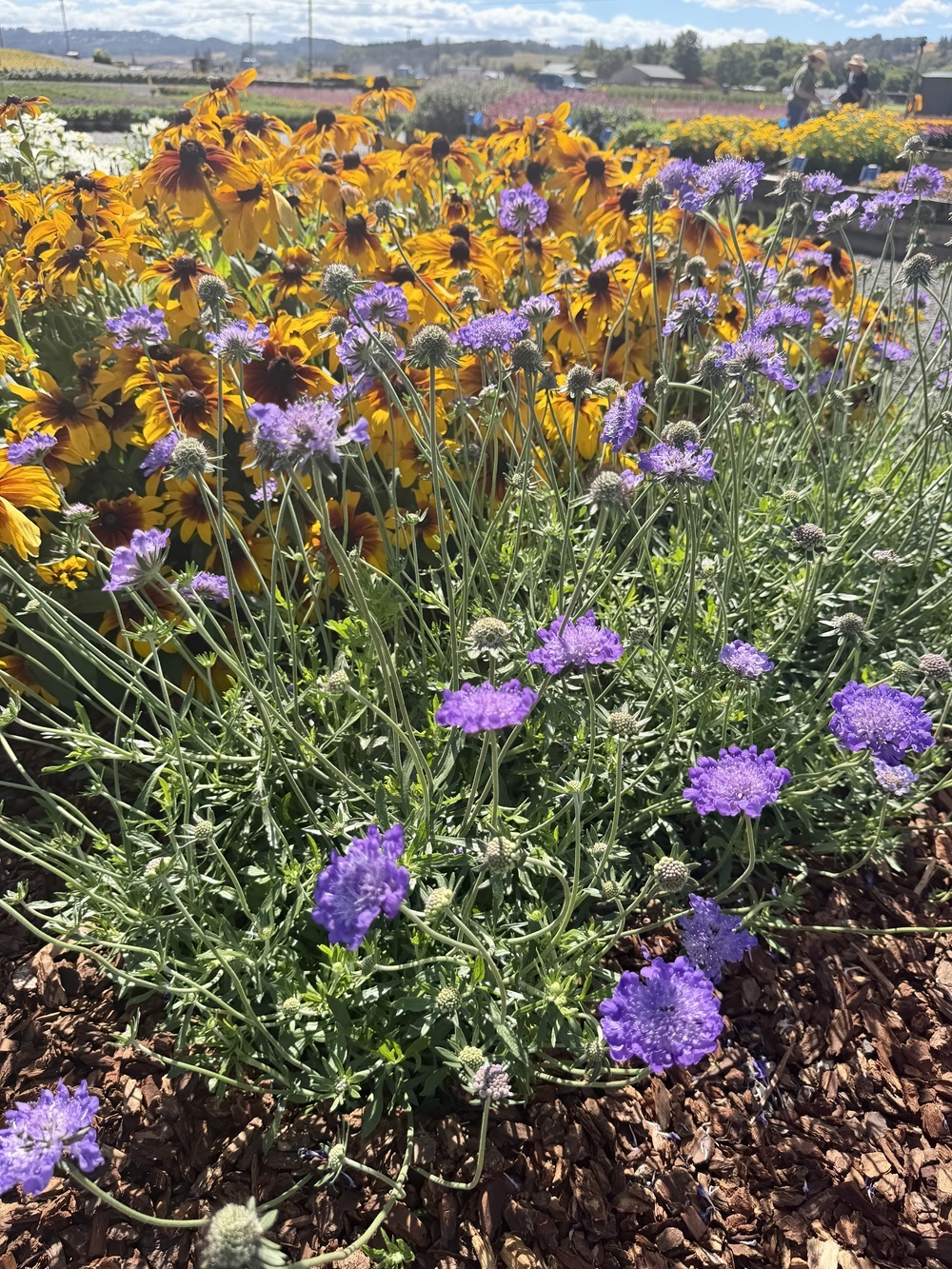
Scabiosa Deep Ocean Blue


My next favorite was this beautiful Scabiosa, which the photo doesn't really do justice, as the flower color is much more intense in real life. The flowers are also huge, and it would make a great cut flower. Another super tough plant for many climates, including very hot climates and difficult soils.

This new cultivar is from Green Fuse Botanicals.

Monrovia also has a two other really nice new Scabiosa introductions called Laurie pincushion flower, or Scabiosa columbaria 'Lier01', and Skyrocket Scabiosa, which has really gorgeous ruffly flowers on big tall stems. I didn't get a really good photo of it, so I'll see if I can get one from Monrovia.

Agastache 'Peach Pearl'
PC: Leslie F. Halleck

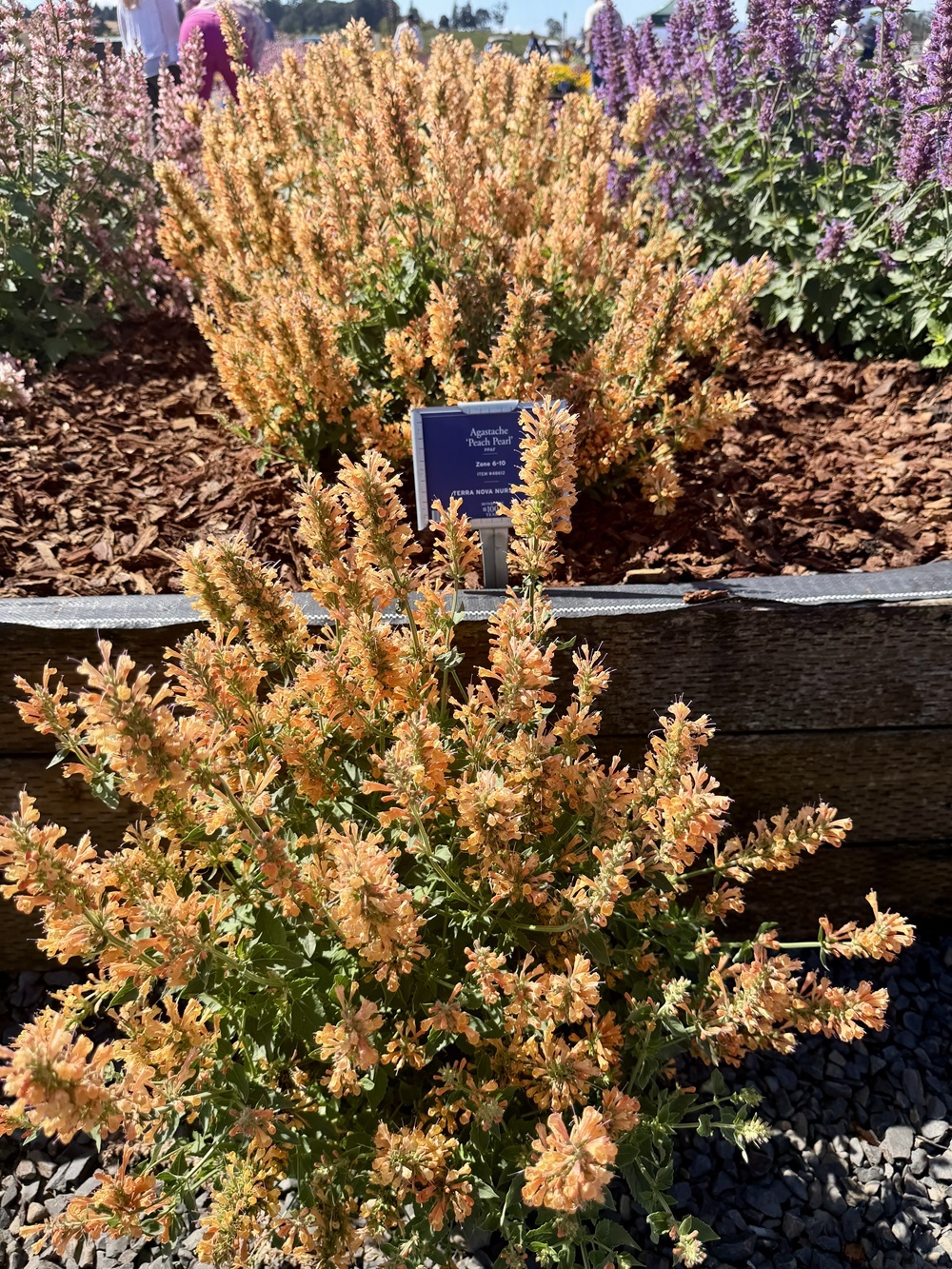
Agastache 'Peach Pearl'


If I'd been given a third vote, I would have picked 'Peach Pearl', which is a stunning and floriferous compact agastache, which is one of my favorite garden plants. The foliage scent is divine. In Texas Agastache doesn't fair well in the humidity and heat, as well as the heavy clay soils, so it was ok as a short term spring or fall bloomer, but would always crash completely come summer. Up here in the PNW it's quite happy, so I'm glad I can grow it more continuously now.

The Top 10 Winners at the New Varieties Showcase

Now, there were a ton of other plants I loved, but there were so many to choose from.

Congratulations to all the breeders! Here is a look at the top 10 selections from all those who voted over the week:

Andropogon Black Stallion, Intrinsic Perennials

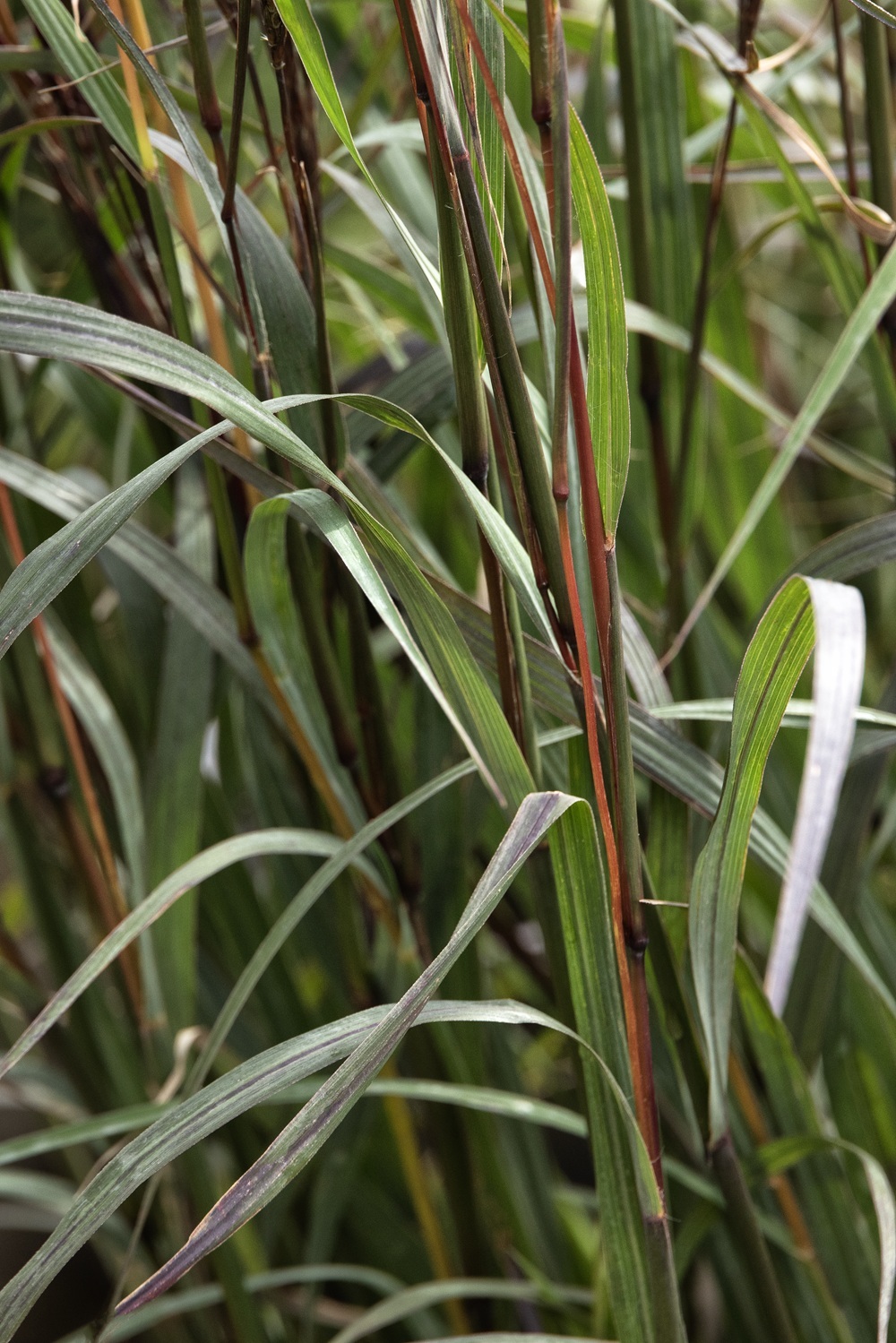
Andropogon gerardii Black Stallion
PC: Monrovia

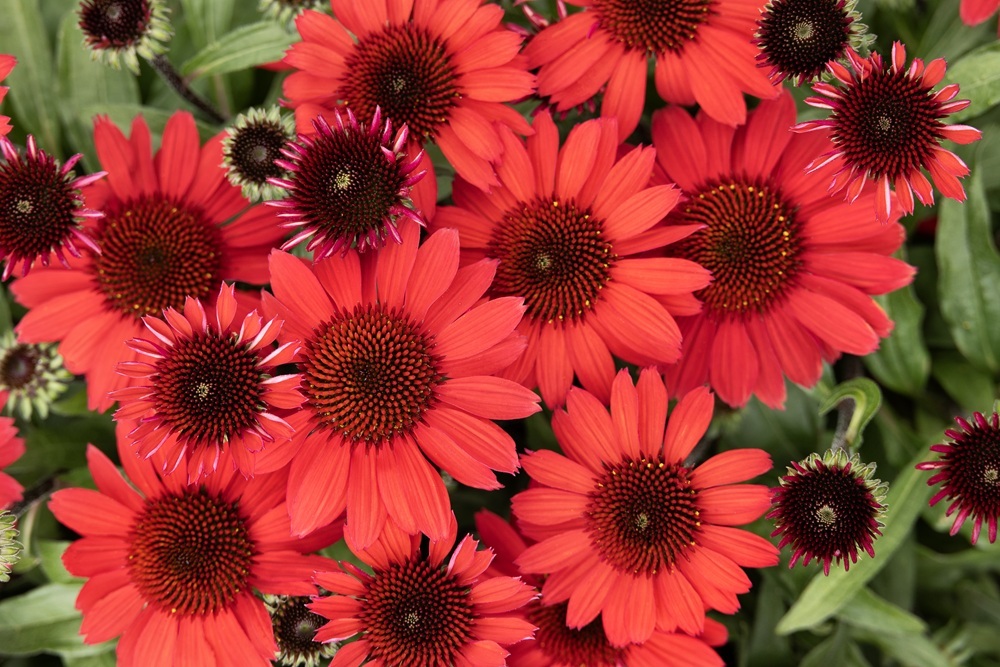
Echinacea SunMagic™ Vintage Hot Red®, Bull Plant Genetics

PC: Monrovia

Echinacea SunMagic™ Chocolate Cherry®, Bull Plant Genetics

Echinacea SunMagic™ Vintage Hot Red
PC: Monrovia

Echinacea SunMagic™ Double Hot Pink®, Bull Plant Genetics

Echinacea SunMagic™ Vintage Hot Red
PC: Monrovia

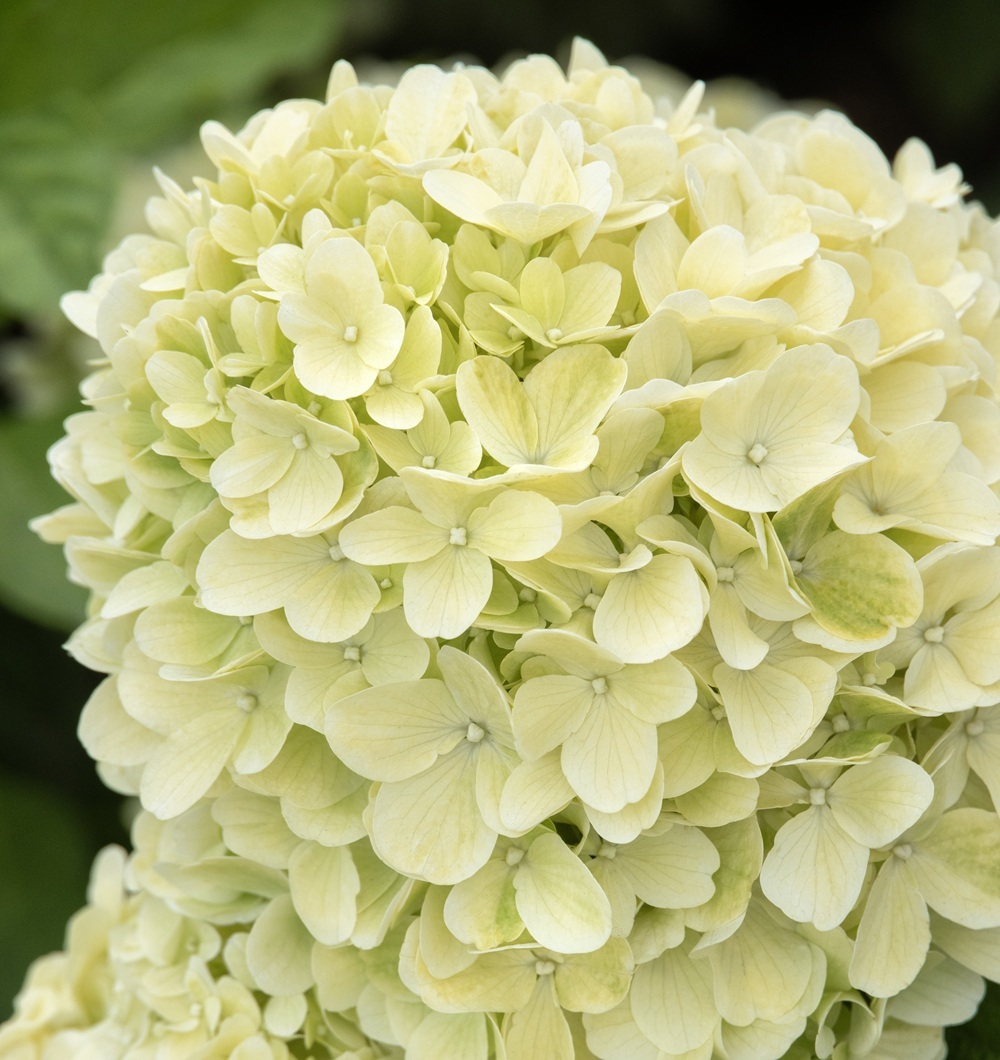
Hydrangea paniculata 'Little Spooky', Concept Plants

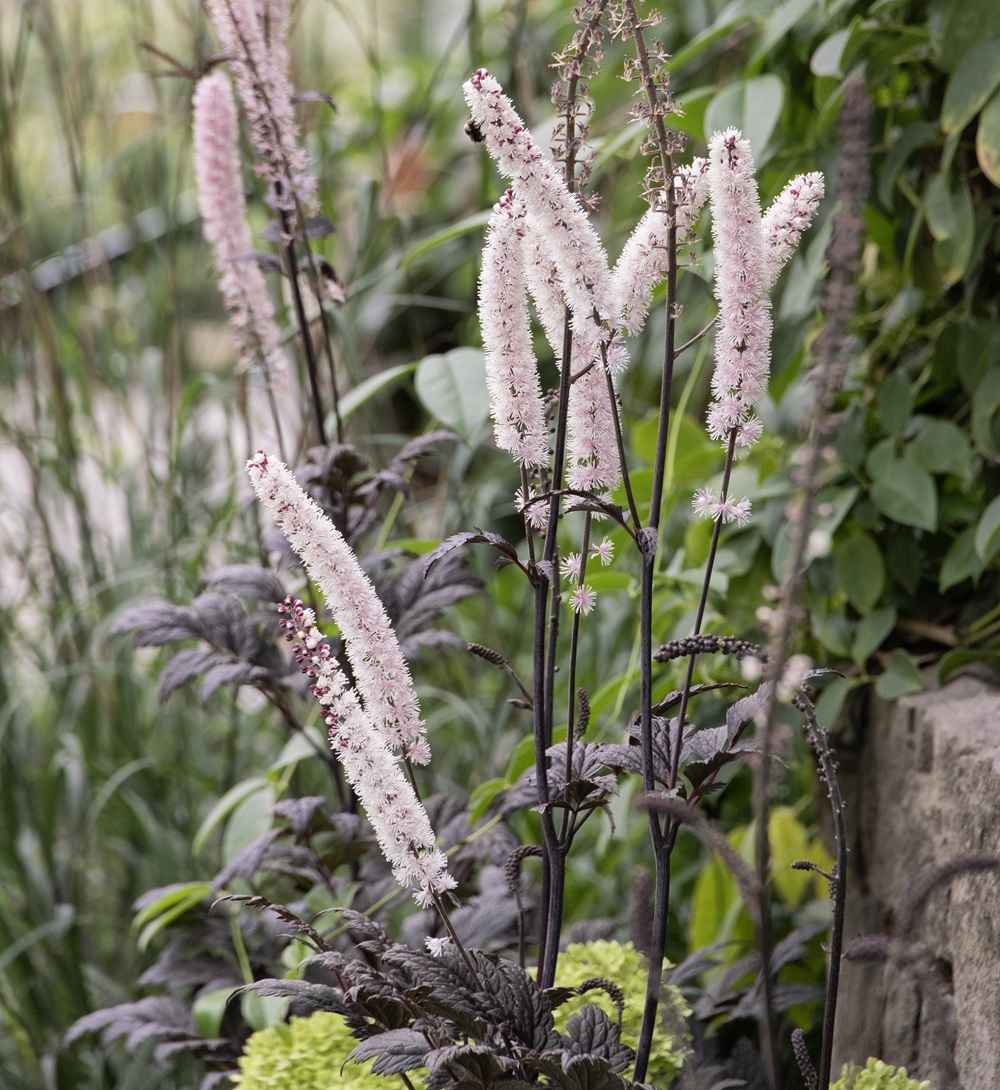
Actaea 'Pink Spike', Monrovia Exclusive

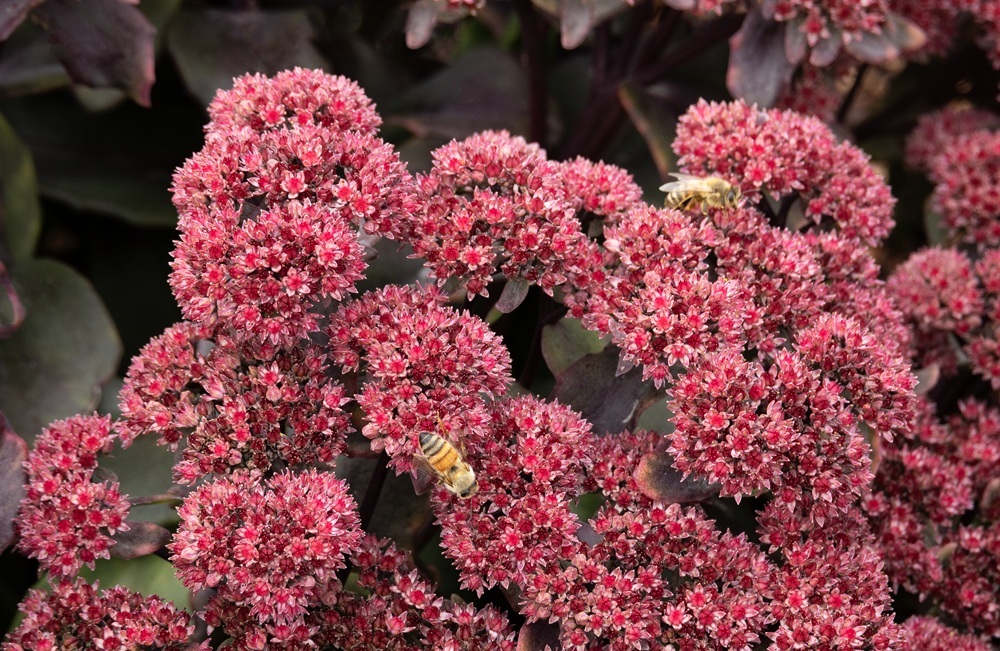
Sedum Hot Rocks™ Dark Leaf Red, Syngenta Flowers

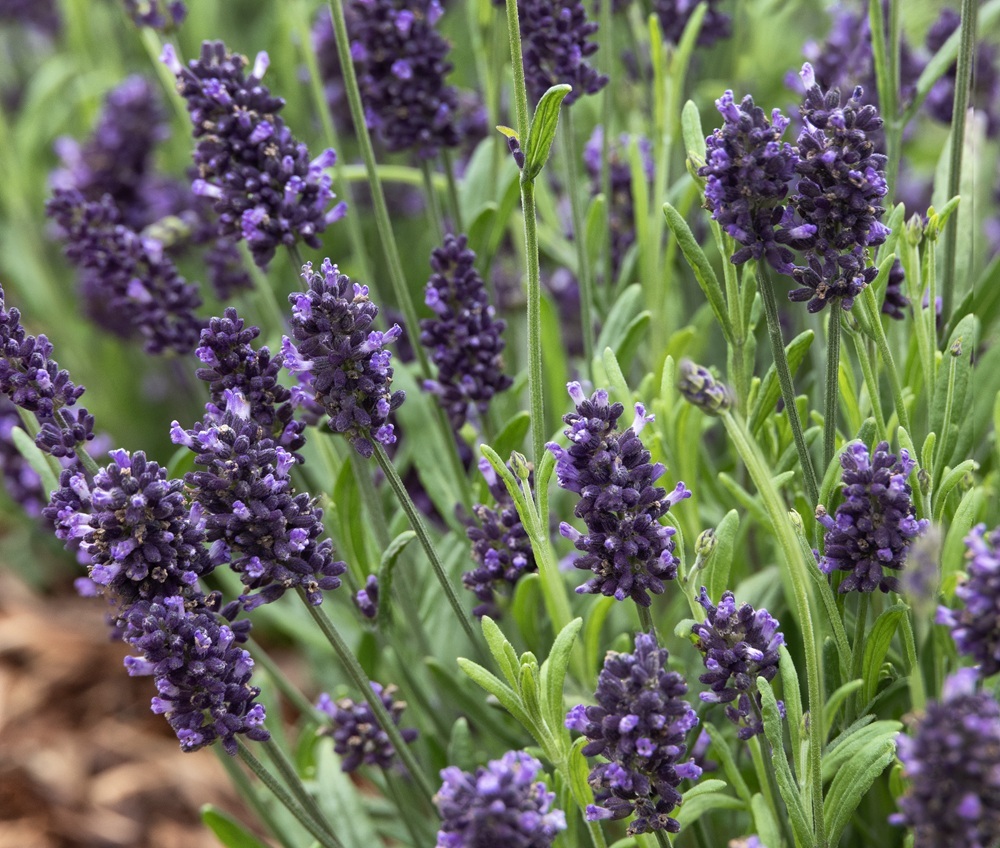
Lavandula angustifolia 'La Diva Vintage Amethyst', Dümmen Orange

Heuchera Fyre Wing™ 'Amber', Terra Nova Nurseries

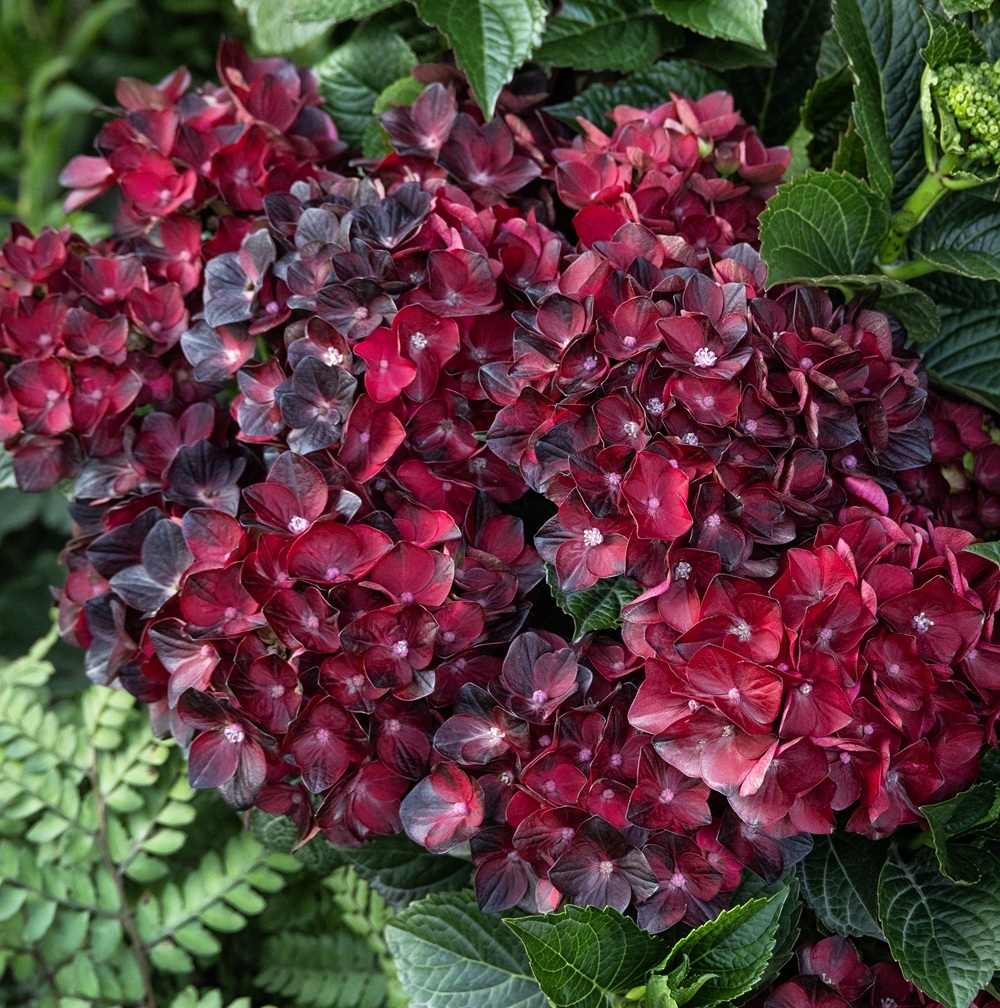
Hydrangea macrophylla Centennial Ruby™, Monrovia Exclusive


New Plant Releases for Monrovia's 100th Anniversary

September 20, 2026

2027 marks a new era for Monrovia. As the company enters its next 100 years, the legacy of selecting and growing plants that bring more to the landscape continues to flourish.

“At Monrovia, it’s not just about bringing a new plant to market,” says Jonathan Pedersen, CEO and president. “We are focused on bringing gardeners more. More blooms, better habits, breeding breakthroughs that create extraordinary plants. These selections are not just new, they’re better.”

Here is a look at the top selections for 2027

Skyrocket Pincushion Flower
Selected as a Retailers’ Choice Award winner at Cultivate, this new Scabiosa features large violet blossoms. New blooms start with creamy white centers that transition to beautiful soft purple. Skyrocket is a beautiful, free flowing perennial that looks great in the landscape or in containers. A must-have for cutting gardens, it is a captivating addition to bouquets. Zones: 7-9 (trialing in Zone 6), a stunning annual in colder climates.

Red Velvet Truffle Clematis
There is more to love with Red Velvet Truffle Clematis, this aptly named new variety features cherry red blooms with bright yellow centers. The early-blooming flowers sit on a backdrop of dark chocolate colored foliage. Red Velvet Truffle is a vigorous climber, quickly covering trellises, fences and arbors. Up to 26 feet. Zones: 4-9.

Pot Belly Pittosporum


A new spin on pittosporum, Pot Belly may just be your new favorite border shrub. This Retailers’ Choice Award winner at Cultivate is a tidy pittosporum that keeps its rounded shape with minimal pruning and features dense, glossy sliver-green foliage with white undersides. Tiny red freshly scented flowers appear in spring through early summer. The perfect size for any landscape area, Pot Belly also makes a wonderful container plant. 4 foot tall and wide in ten years. Zones: 8-11.

Light My FireTM Rose
This beautiful new shrub rose will set the garden alight with color. Light My Fire boasts flaming red blooms with a glowing yellow center that are perfect as a single statement plant or grouped in multiples for maximum impact in the garden. The lightly scented flowers are grouped together in clusters on this low growing, easy care rose. 2 to 3 feet tall, 3 feet wide. Zones: 4-9.

Ice Breaker® Lemony Hellebore
This new Hellebore series is bringing more dramatic, long-lasting color to the garden. Ice Breaker Lemony features pretty white blooms with a hint of lemon yellow in the center. The blossoms are held upright in the garden on strong stems and last from late winter through spring. A great addition to the landscape or containers. 20 inches tall and 20 to 24 inches wide. Zones: 5-9.

SunMagic

® Chocolate Cherry Coneflower
This new coneflower is a treat for the garden. Deep, cherry red petals sit horizontally around a chocolate hued cone and are held up by dark, sturdy stems. The plant is covered in blooms from June through fall, attracting bees, birds and other pollinators. 18 to 24 inches tall and wide. Zones: 4-9.

Starburst

® Tulbaghia
If you love the look of Tulbaghia but are looking for longer-lasting blooms, we’ve found the plant for you! Starburst Tulbaghia offers an extended blooming season with perky pink, star shaped blooms that sway above lush grassy foliage. This Society Garlic selection is a native of Australia and is hardy and highly drought tolerant. 16 inches tall and wide. Zones: 7-11.

Tahitian Dawn® Hesperaloe
This drought tolerant, heat loving Hesperaloe features unique coral-colored blooms that sit atop gray-green foliage. The flowers are larger than others on the market and offer an exceptionally long bloom time. Tahitian Dawn is the perfect addition to the waterwise garden. 3 to 4 feet tall and wide. Zones: 5-11.

Seaside Serenade® Hanalei Bay Hydrangea
The newest Seaside Serenade Hydrangea is right on trend with dark foliage and bright, showy blooms. The stunning magenta flowers have bright centers and frilly edges that stand out in the garden and in containers. Strong stems keep this hydrangea from flopping while thick foliage resist scorching. 3 feet tall and wide. Zones 5-9.

Winter Jade Boxwood
This fast-growing boxwood features lush, dark green foliage that holds its color well in the winter. It is hardy to 0 F. and has shown improved resistance to boxwood blight and common pests. Winter Jade is a naturally upright and dense shrub that looks great in its original form but is also perfect for shearing into hedges. 3 to 4 foot tall and wide. Zones: 5-9.

ScentTM Mini Blue Lavender
Scent Mini Blue might just be the perfect container lavender. This compact selection stays around 12 inches tall, creating the perfect little pot for garden party centerpieces. The dark purple blooms cover the plant early, lasting through the season. Zones: 5-9.

Springtime® Coral Skimmia
Showy clusters of tiny coral flower buds give this evergreen shrub outstanding winter interest. In the spring, the buds open to small white flowers. Developed after years of trialing, this new male Skimmia does not set fruit, but will serve as a pollinizer. Height Zones: 7-9.

Citrus Twist Yucca


This drought tolerant beauty features lime green leaves with lemony yellow margins that develop red edges as they age. Fragrant white bell-shaped flowers sit atop tall flower stalks. A striking and easy-to-grow Yucca for rock gardens and water-wise landscapes. 5 feet tall, 3 feet wide. Zones 7-10


Are You Ready for a Greenhouse?

September 15, 2026

A Greenhouse is a Big Garden Helper - and a Big Decision!

When it comes to gardening and landscaping, I'll admit I'm a maximalist. I want to grow all the things all the time! Seasonal temperatures and weather do make that a bit challenging, of course. So when it comes to maximizing your garden output a greenhouse can help you expand your plant collections, garden transplants, and food production for more of the year.

If you're ready to start many more of your own seedlings for flowers and food, have a tender plant collection you've run out of space inside to protect in winter, need to protect your food and flower crops from deer or extend their harvest season, or want to do all of the above, it may be time for a greenhouse!

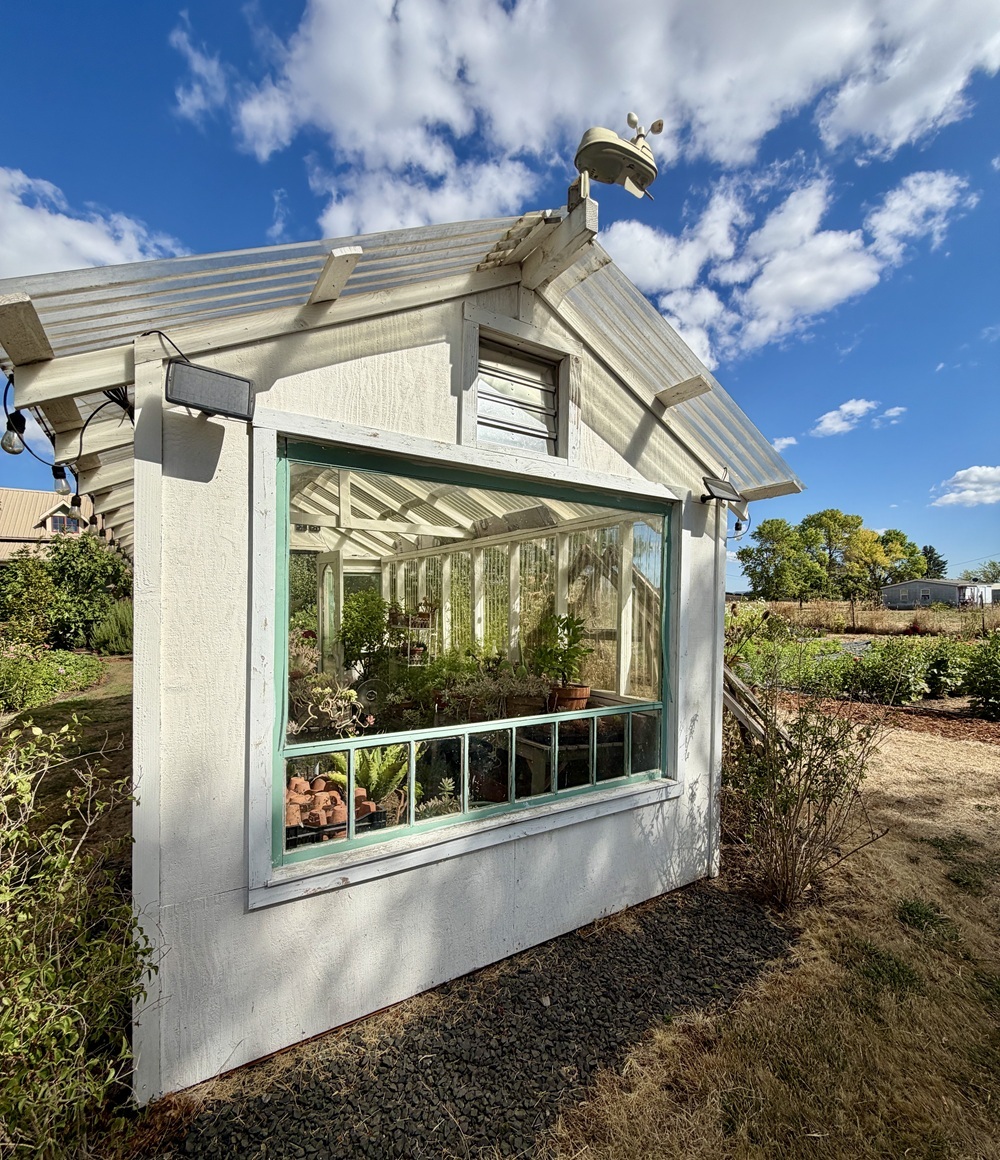
A small DIY greenhouse made with both corrugated plastic and old windows
PC: Leslie F. Halleck

What to Consider When Choosing a Greenhouse

There are many factors to consider when choosing your greenhouse, and I dig into all the specifics on those choices in my new book "Home Greenhouse Revival; Growing Year-Round Foliage, Flowers & Food". But for a quick reference, here are some of the most important considerations when choosing a greenhouse:

  • Which plants do you want to grow in the greenhouse and when?
  • Location: How much flat space do you have? How big can you build?
  • Exposure: What is the sun exposure - do you have an east to west orientation with a southern exposure?
  • What is your climate and weather like? Heavy snow, rain, or wind? Or do you live in a hot climate?
  • Given your climate, which materials for the framing and glazing best suit your situation?
  • What are the zoning, setback, and permit requirements in your are for accessory buildings such as greenhouses?
  • What type of foundation do you need based on the size and weight of materials?
  • Can you wire and plumb your greenhouse for electricity and water? (you'll likely need permits)
  • And of course, what is your budget? Do you want to DIY or have a custom build?

There are of course many other considerations, which I cover in my book, but these are pretty important places to start.

One of the Biggest Greenhouse Mistakes

One of the biggest mistakes I see new greenhouse growers make (and regrets from existing greenhouse owners) is buying or building a greenhouse that is just too small for their growing goals. It's easy to forget to consider how much space inside the greenhouse will be taken up by fixtures and supplies, leaving you with much less growing area than you anticipated. You can very quickly run out of space for the plants you actually wanted to grow in the first place.

That small greenhouse often ends up just being an extra storage shed in the backyard. I've seen it too many times!

Now, you may simply not have enough space on your property for a big greenhouse. That's ok. You can absolutely keep things on the smaller side with your first greenhouse - just be sure to manage your growing goals and expectations upfront, taking into account how many square feet of growing space you'll actually have. if you plan for that ahead of time, you'll be able to make the most of the space you have for clearly defined growing plans.

Another good strategy if space or budgets are limited, is to start with one small greenhouse, then add another small greenhouse later if space and budgets allow. Then you can have different temperature zones for different plants or crops.

This greenhouse was obviously too small and too shaded, and now it's just become a storage shed.
PC: Leslie F. Halleck

Plan Plantcentric

Instead of focusing only on the type or aesthetic of the greenhouse you think you want, always take a plantcentric approach to your greenhouse plans first. Start with what you want to grow and when and then work backwards to the type of greenhouse you really need to achieve those goals. A seasonal greenhouse for jumpstarting seedlings (if that's your only need) may look or cost differently than a greenhouse that's adequate for a year-round collection of tropical orchids. All of that will depend on your climate and weather.

It's pretty heartbreaking to have to tell folks who have spent a lot of money on a greenhouse that what they've created may not work for the type of plants or the seasons in which they were hoping to grow or harvest.

In my book, I divided out a number of greenhouse categories by temperature range and type of plants and crops, that you can then correlate with the types of framing and glazing that are best for different climates.

Do you want to grow plants, or entertain?

This greenhouse gets too hot in the summer, so it's emptied out of plants.
PC: Leslie F. Halleck

Another important consideration is how you plan to use the greenhouse. Are you expecting to be able to host parties in the greenhouse or use it as a study? There are a lot of fancy photos going around these days of greenhouses that are essentially outdoor entertaining rooms, but are still being sold to you as plant growing greenhouses. We typically refer to spaces that are intended to serve both human activities and plants as conservatories or sunrooms. But I'll caution you to manage your expectations, especially if you live in a warm or hot climate. Often the conditions in your greenhouse will be uncomfortable for you to entertain in if your plants are happy. Temperatures may be too warm, or humidity to high for you and your friends and family. If you make the greenhouse perfectly comfortable for you, your plants may not thrive.

If you have big gardening goals, focus on creating a greenhouse environment that's best for the plant species you're growing - that might mean the parties or writing room stay in the house!

Why you might want a greenhouse

Ultimately, there are many reasons you might want or be ready for a greenhouse. Food security is a big reason these days, as we all want better access to safe fresh food. Being able to extend your growing seasons and harvests are a big plus of owning a greenhouse. Some of you may even have commercial aspirations or want to start selling produce or plants at your local farmer's market.

Perhaps that growing houseplant or orchid collection you started during the plantdemic has taken over your home and they need their own. Or perhaps your prized dahlia tubers need a protected area to overwinter

Or all of the above!

Whatever your growing goals, greenhouses are having a moment right now. There are SO many new accessible options available to home gardeners, not to mention lots of cool tools that you used to only find available to the commercial industry.


Using a Greenhouse to its Full Potential - The Beginner's Garden Podcast

September 15, 2026

Thinking about getting a greenhouse but not sure what it can actually do for your garden?

Read the full notes and listen to the podcast at Jill's website HERE

A greenhouse can extend your growing season, protect plants through winter, and give seedlings a head start, but only if you understand how temperature, light, and humidity work together.

In this episode, I’m talking with Leslie about greenhouse gardening for beginners, including what I’ve learned from using my own greenhouse for the past six years. We’ll cover unheated versus heated greenhouses, supplemental grow lights, seed starting, pest prevention, and what to consider before buying a greenhouse.

Check out Leslie's book "Home Greenhouse Revival"

Key Takeaways

  • Understand what an unheated greenhouse can do

  • Use temperature and light to extend seasons

  • Know when seedlings need supplemental grow lights

  • Prevent greenhouse pests before they spread

  • Choose a greenhouse based on your plants

Chapters

00:00 – How greenhouses extend your season
03:41 – Why unheated greenhouses still help
06:51 – Keep winter crops growing longer
08:29 – How temperature affects plant growth
09:47 – When greenhouse grow lights help
12:07 – Can greenhouses replace indoor seed starting?
14:18 – Choose plants before your greenhouse
16:43 – Beds, containers, and greenhouse zones
19:42 – Why greenhouse size matters
20:23 – Why seedlings grow faster inside
23:06 – How humidity affects plant growth
24:41 – Understanding grow light limitations
26:44 – How plants actually use light
28:07 – Why winter sunlight is weaker
29:54 – Prevent greenhouse pest problems
32:49 – Using beneficial insects indoors
33:35 – What to know before buying
36:41 – Greenhouse growing beyond vegetables


Back to top

Tips in your inbox

E-Newsletter

Sign up for my bi-monthly Halleck Horticultural newsletter for information about new plants, gardening, and learning opportunities, as well as horticulture business topics for those of you in the industry.