Tips for Growing Peas

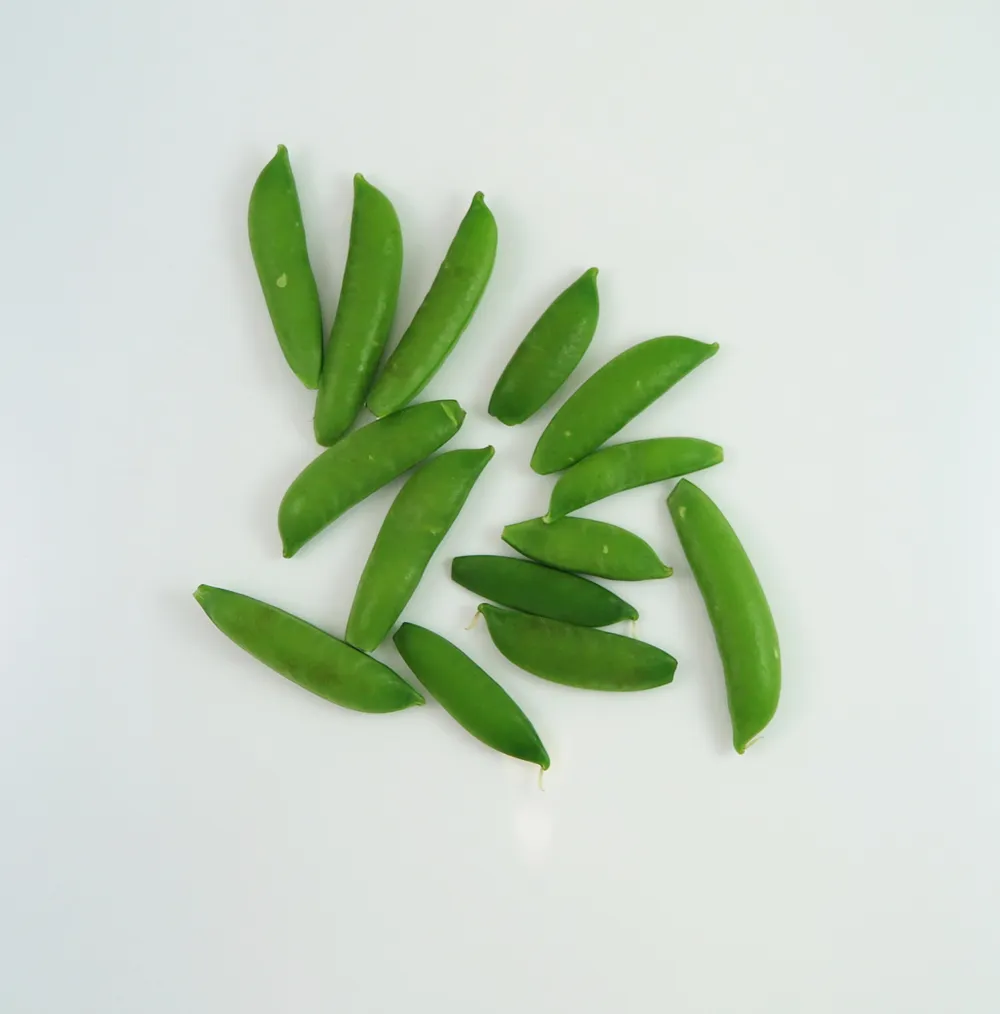
Peas are one of the oldest cultivated vegetables (although botanically the pods are a fruit and the peas are seeds). Peas are a very versatile crop you can grow peas for the fresh green seeds, the green pods, foliage, young shoots for sprouts and microgreens, and dried seeds.
PC: Leslie F. Halleck

Peas grow best between temperatures of 50°F and 70°F (10– 21°C). They can tolerate warmer temperatures, but you will need to water more frequently. If you're growing peas indoors, stick to cooler parts of your home and grow lamps that emit less heat.

New BOOK! Gardening Under Lights: The Complete Guide for Indoor Growers
Two Phases of Cannabis Growth

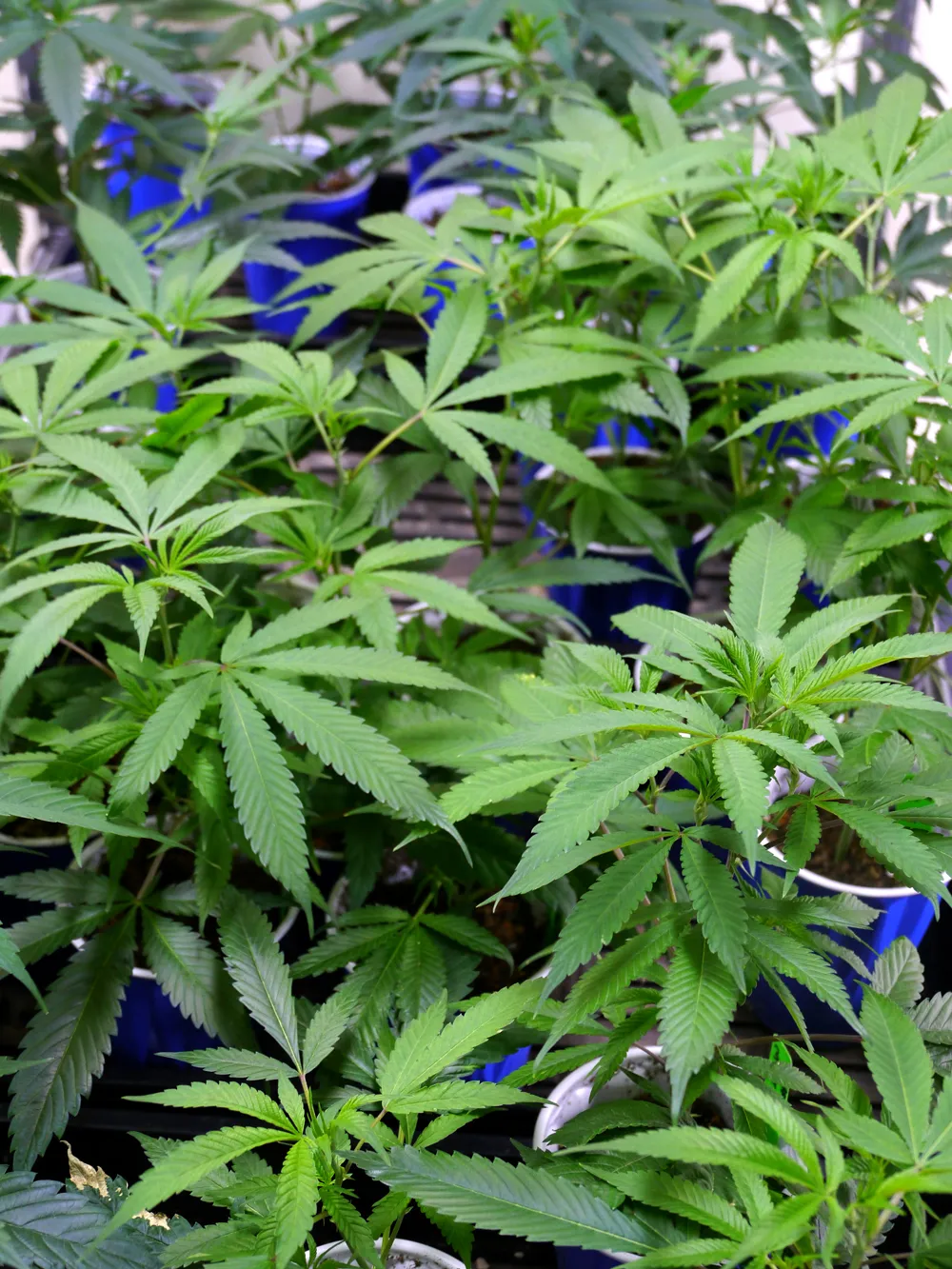
Cannabis grows in two phases. During the vegetative phase you light plants for 18 to 24 hours to inhibit flowering and put on vegetative growth.

Young cannabis clones
PC: Dan Heims

If you don’t have a lot of space and cannot accommodate large plants, you’ll veg your plants for three to four weeks, then shift them to a flowering phase with alternating 12-hour cycles of light and dark (or the specific critical daylength required by your strain) to induce flowering.

Keep Air Moving in Your Grow Tent

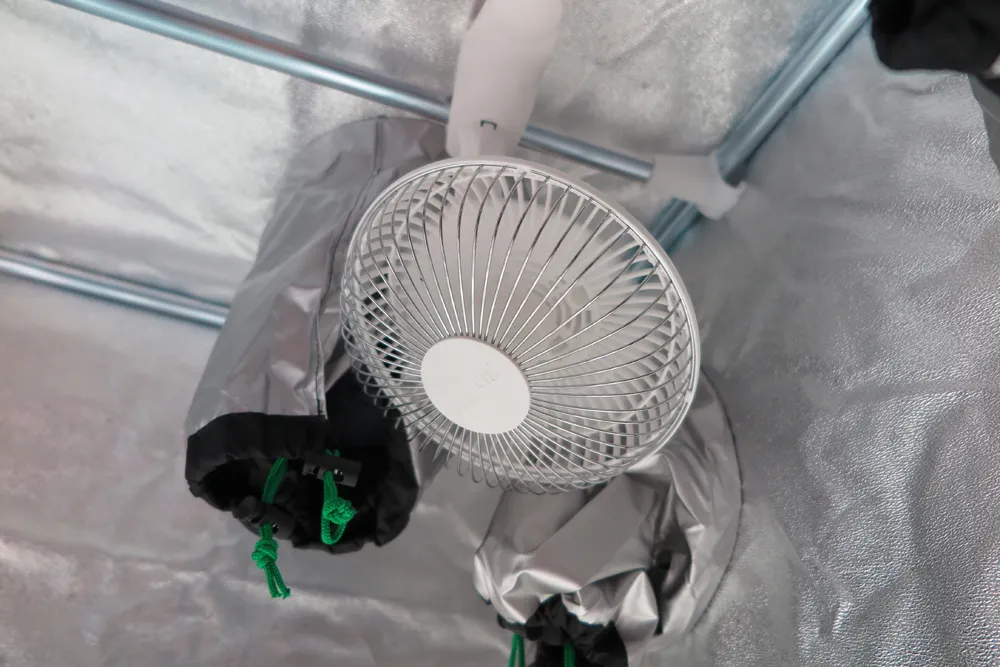
Beyond cooling and heating the air, you need to keep it moving. Maintaining good air circulation and venting excess heat are especially important in tight, enclosed spaces.

Sturdy clip fans are a handy tool to keep air moving inside grow tents, grow rooms, even open growing areas.
PC: Sunlight Supply, Inc.

The smaller your growing area and the more tightly it is sealed, the faster air becomes stagnant and heat builds up from your grow lamps. When using a small grow room or grow tent, make sure you have adequate venting capabilities. Air should be circulated fully every three to five minutes.

Gardening Under Lights Book

Do Plants use UV Radiation?

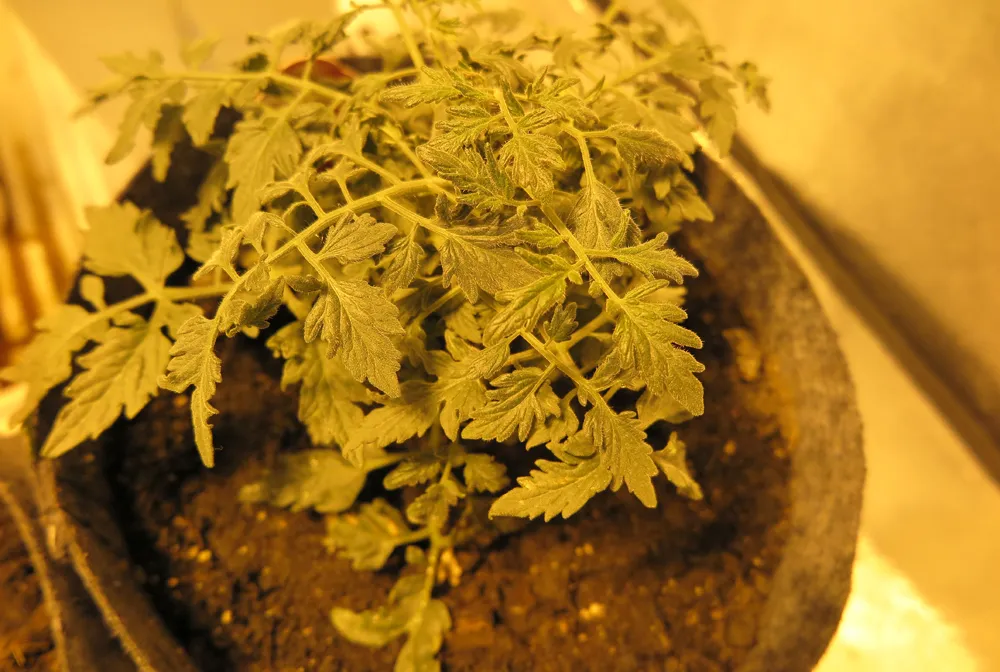
Plants do not use UV radiation for photosynthesis, and it can cause cellular damage and plant death, but there are some benefits to providing small amounts.

A tomato plant growing exclusively under yellow colored light emitted from a high-pressure sodium (HPS) lamp.
PC: Leslie F. Halleck

Cryptochromes absorb several wavelengths of UV radiation for various beneficial functions. UV damage to plants stimulates them to produce protective antioxidants, resins, oils, and other chemicals that give them flavor. UV light can also toughen up young seedlings so they can more easily transition to higher-intensity lighting without experiencing shock.

Gardening Under Lights Book

What Causes Tomato Early Blight?

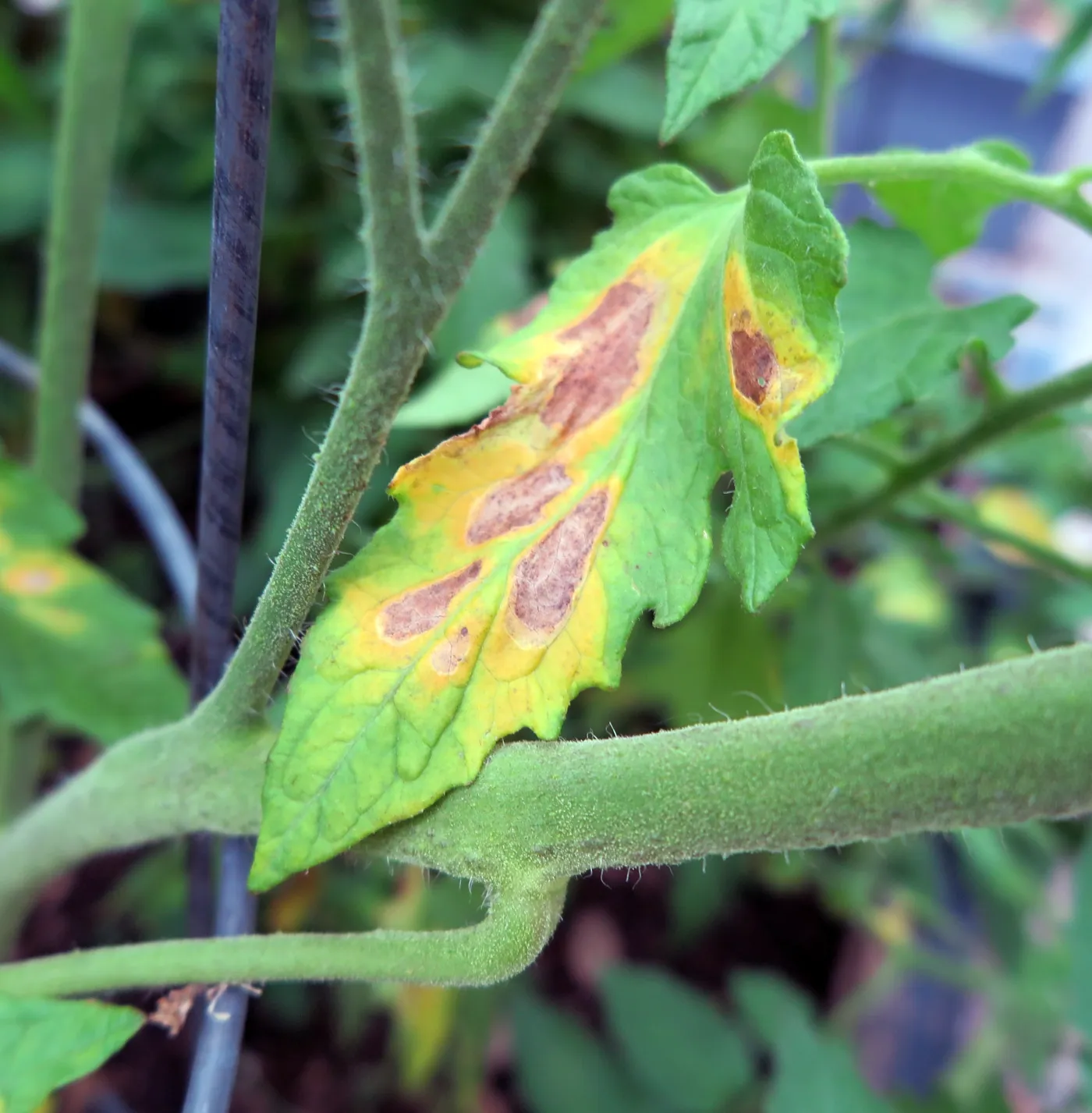
High humidity and water on foliage spreads diseases such as early blight in tomatoes. Early blight also infects eggplant, peppers and potatoes.

PC: Leslie F. Halleck

Good ventilation and air movement are necessary to reduce disease pressure. Be sure to use fans in enclosed growing spaces and allow enough space between plants to keep the air moving around them.

Gardening Under Lights Book

Grow Lights: What is a PAR Meter?

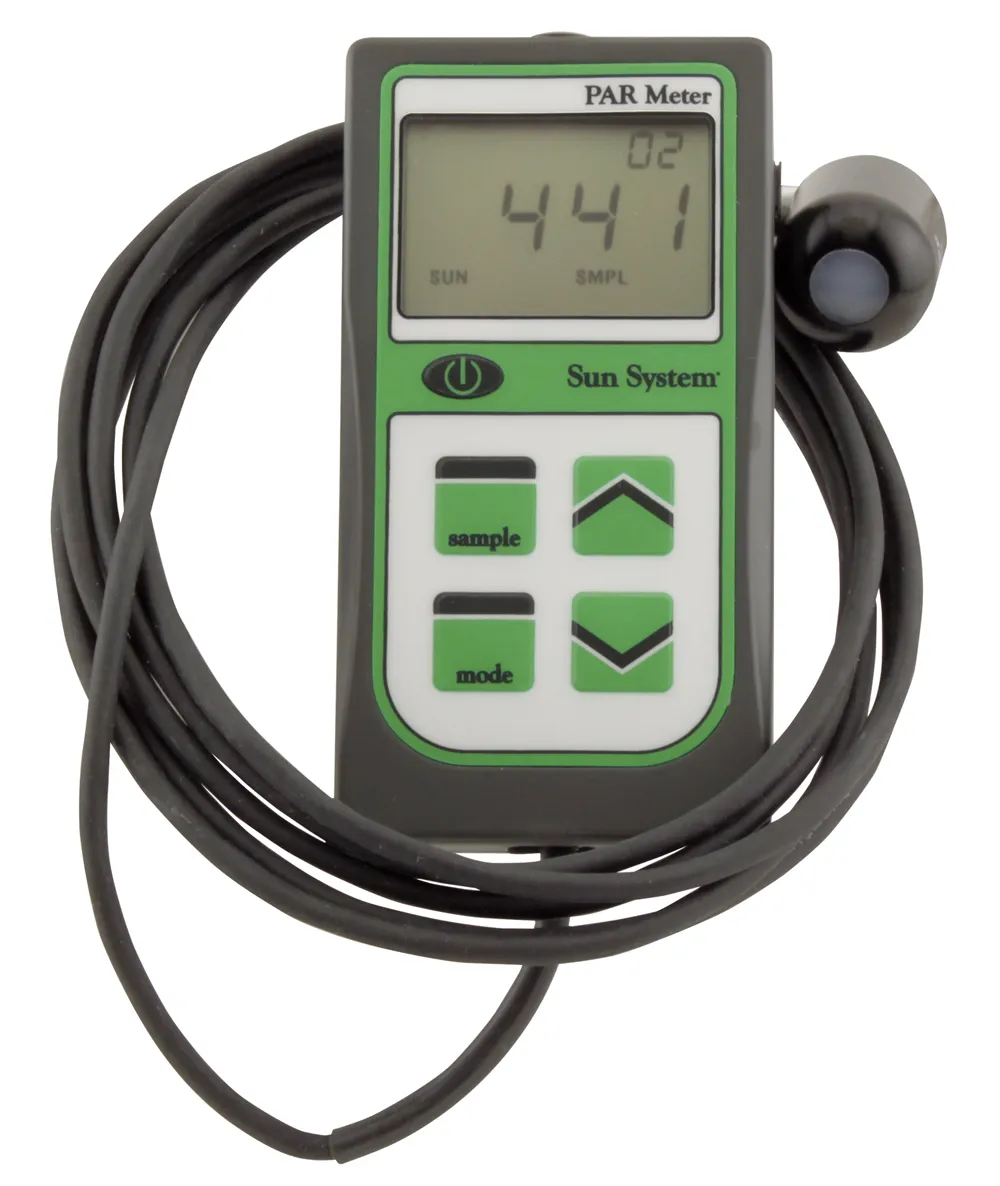
There is a lot of variation in how manufacturers measure light quality and the outputs of their lamps, as well as differences in how they determine the electricity measurements they provide. Some incorrectly use the terms PPF and PPFD interchangeably as the same measurement. You can take the science into your own hands and determine accurate measurements with a PAR quantum flux meter.

PC: Sunlight Supply, Inc.

PAR meters are available with attached and remote sensors so you can measure light in different locations and over different lengths of time.

Gardening Under Lights Book

Digital Ballasts for Grow Lamps

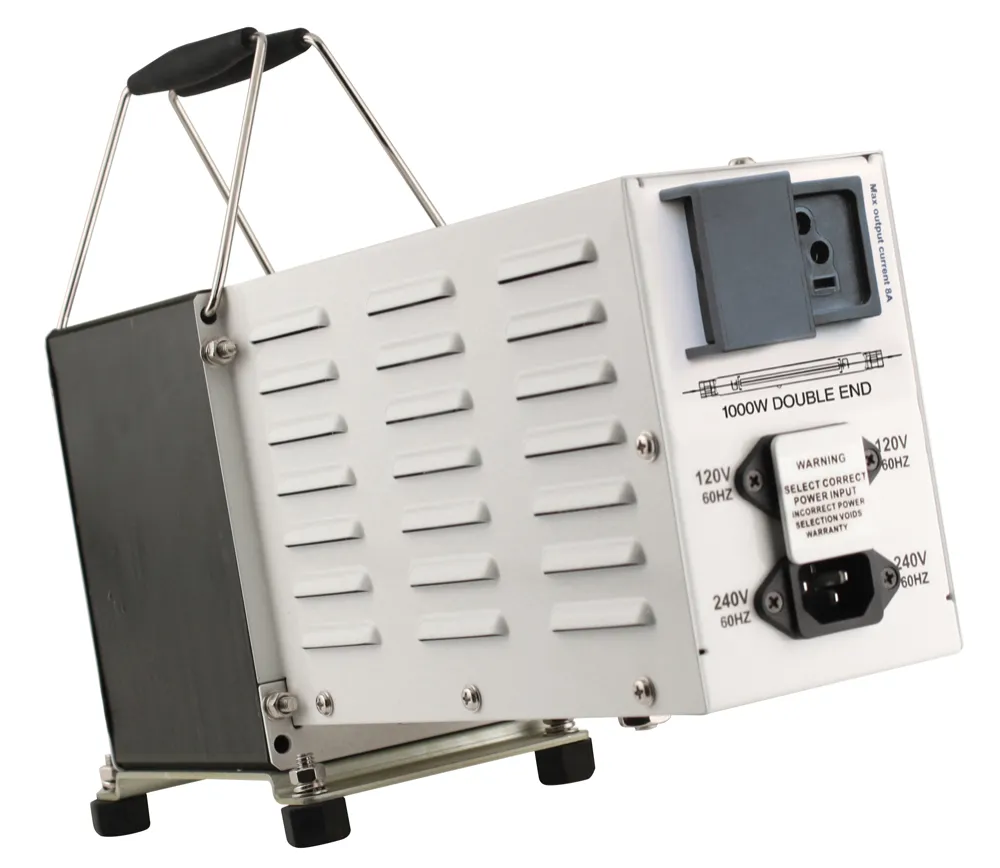
Digital ballasts are electronic ballasts containing additional microprocessor that allows them to better regulate the output voltage and current to the lamp. They can be more efficient than other types while using only a third of the energy.

PC: Sunlight Supply, Inc.

You cannot use digital ballasts with certain systems, such as plasma lighting. They also emit some RFI, but the technology is improving.

Gardening Under Lights Book

Indoor Plants Turning Brown? Could be Low Humidity

Have you ever struggled with houseplants that turn brown on the tips or edges of their leaves? A lack of humidity indoors can cause many plants to struggle with excess moisture loss. Humidity in the air helps regulate transpiration and water loss or absorption through plants’ leaves.

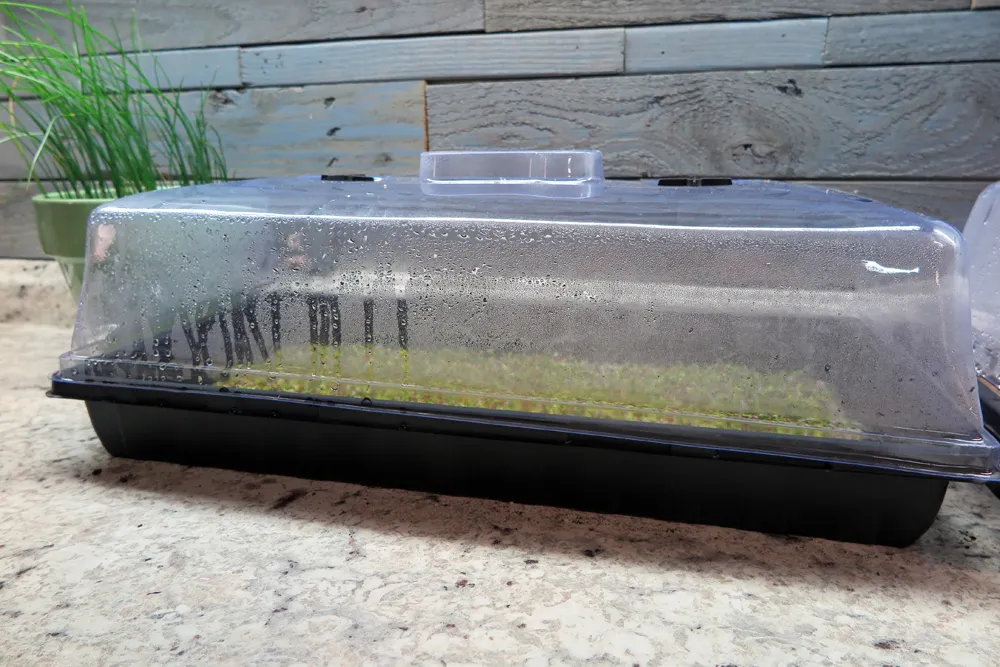
Without a humidity dome, these tiny microgreen sprouts would quickly dry out and die.
PC: Leslie F. Halleck

Tiny seedlings and cuttings are at greater risk for drying out quickly, especially in a dry-air environment. This is why humidity domes are frequently sold with seed-starting kits. It’s crucial to keep humidity levels high around your new seedlings or cuttings, as they have a limited root system (or no roots at all) with which to take up water.

Gardening Under Lights Book

Back to top