Metal Halide Grow Lamps Produce Bright White Light

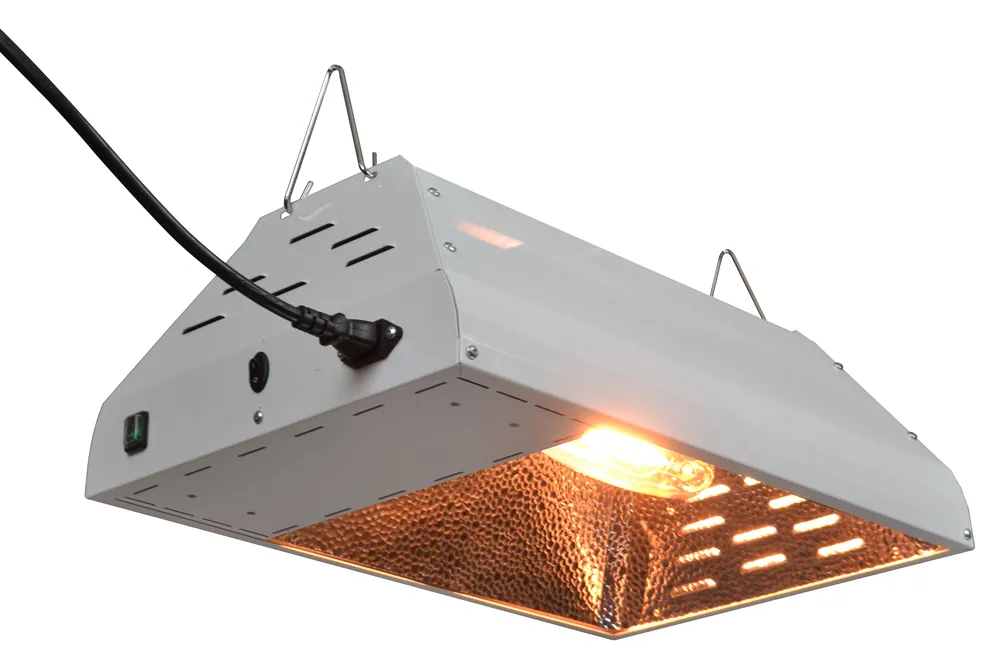
The light produced from metal halide (MH) lamps looks white and bright with a cool visual temperature. While you can also use MH lamps during the flowering stages of growth, many growers employ them only when growing seedlings, cuttings, or vegetative transplants, or bulking up vegetative growth on larger plants.
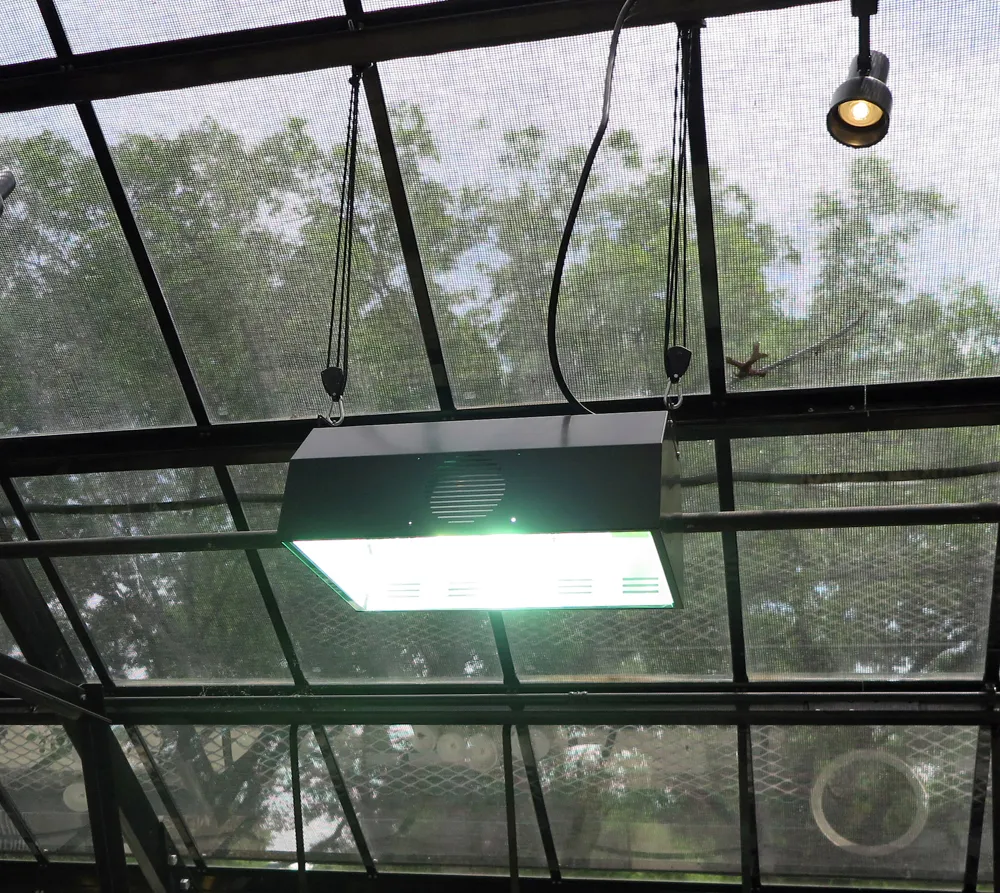
Metal halide lamps produce a cool, blue tinted white light.
PC: Leslie F. Halleck

MH Lamps generally emit a light spectrum range that closely mimics that of natural sunlight, weighted to the blue and violet spectrum, so they are good for all vegetative stages of plant growth.

Gardening Under Lights Book

Multicolor white LED Grow Lights

Multicolor white LEDs, also known as RGB LEDs, mix separate red, blue, and green diodes together in a balance to create white-colored light that is both visually pleasing and efficient for plant growth.

A full-spectrum LED bar that produces white-colored light.
PC: Sunlight Supply, Inc.

RGB LEDs are a bit more complicated to manufacture than standard white full-spectrum LEDs, so they may cost more.

Gardening Under Lights Book

Thin Your Seedlings

When most or all of the seeds germinate, you are confronted with a tiny seedling forest. It is tempting to let them all continue to grow, but your seedlings will be better off if you cull the weakest ones.

If multiple seeds germinate in the same cell, keep the strongest, snip off the extras.
PC: Leslie F. Halleck

After your seeds have sprouted, choose the strongest, stockiest seedling in each cell and snip the remaining seedlings at the base. Throw the excess seedlings on your salad or feed them to any critters who would appreciate some greens.

Gardening Under Lights Book

Growing Plants Indoors

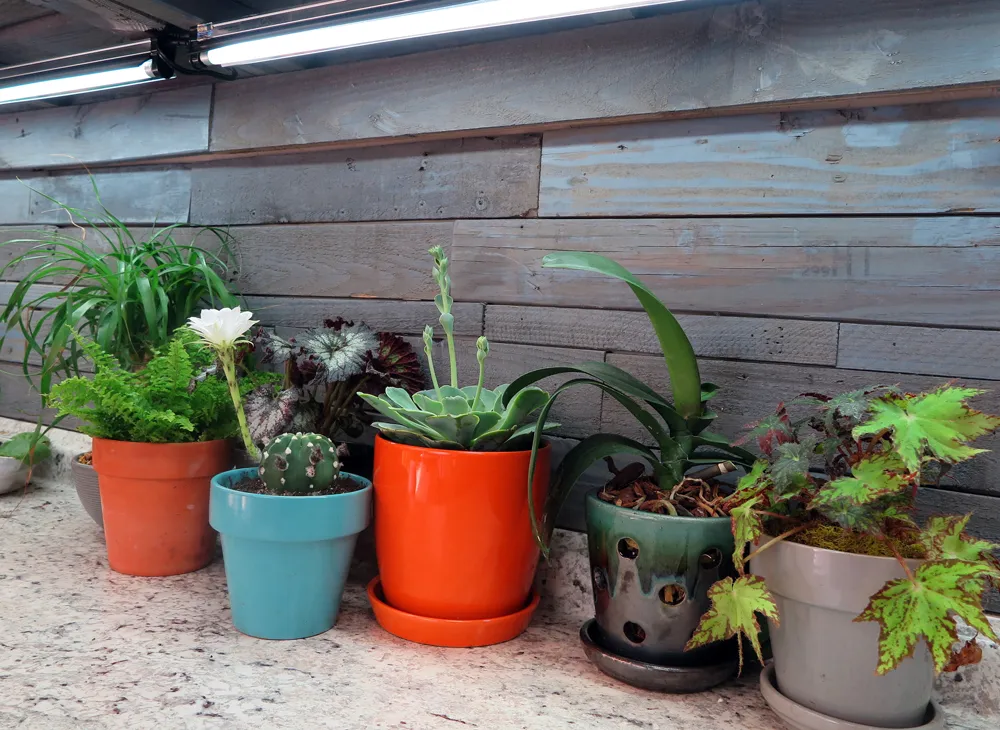
There are plenty of low-light tropicals and blooming plants that you can grow successfully indoors with good ambient light, and you can maintain certain light-loving succulents for a while in a windowsill.

A variety of houseplants growing under lights
PC: Leslie F. Halleck

But even a bright windowsill is typically not the right location for plants you intend to harvest for food. The same goes for heavy-blooming plants. Reproduction is an energy-intensive process. Producing flowers, fruit, and seed requires a lot of juice. Plants need enough light, and the right kind of light, to get the job done.

Gardening Under Lights Book

What are HPS Grow Lamps?

HPS lamps were the most common type of plant lighting in greenhouse growing operations until LEDs gained popularity. They are used primarily for supplemental lighting where natural sunlight (more blue light) is also present, such as in a glass or poly greenhouse. HPS lamps are also used to extend photoperiod.

An HPS lamp produces warm-colored light.
PC: Sunlight Supply, Inc.

Their light spectrum is heavily weighted to yellow, orange, and red, with only very small amounts of blue light, which is why they are used for supplementing ambient natural daylight.

Gardening Under Lights Book

Grow More Dill!

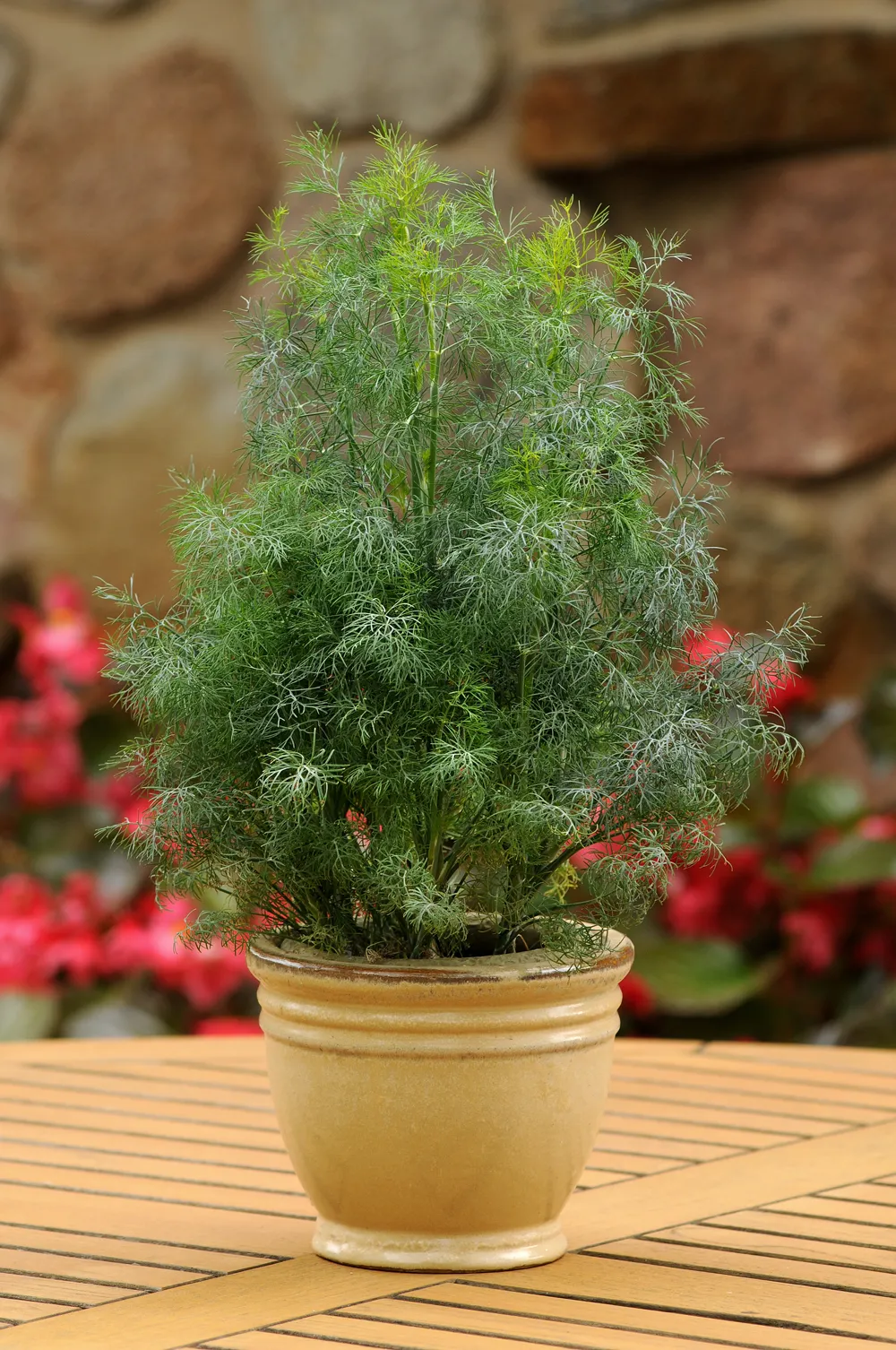
Dill is one of those herbs I plant outdoors because it's so versatile and beatiful, and I grow it indoors because I'm addicted to its flavor and I need it year-round! Use fresh dill on vegetables and dishes, or add to pickles and preserves. When left to flower in the garden, plants make beautiful edible ornamentals that attract many beneficial insects.

PC: Ball Horticultural Company

You can easily grow dill in containers. Pests are not common on dill, especially indoors, other than occasional aphids. Outdoors, several types of caterpillars feed on dill foliage. Grow in a cool spot with LEDs, HOT5 Fluorescents, or CFLs.

New BOOK! Gardening Under Lights: The Complete Guide for Indoor Growers

Aphids Thrive in Cool Temperatures

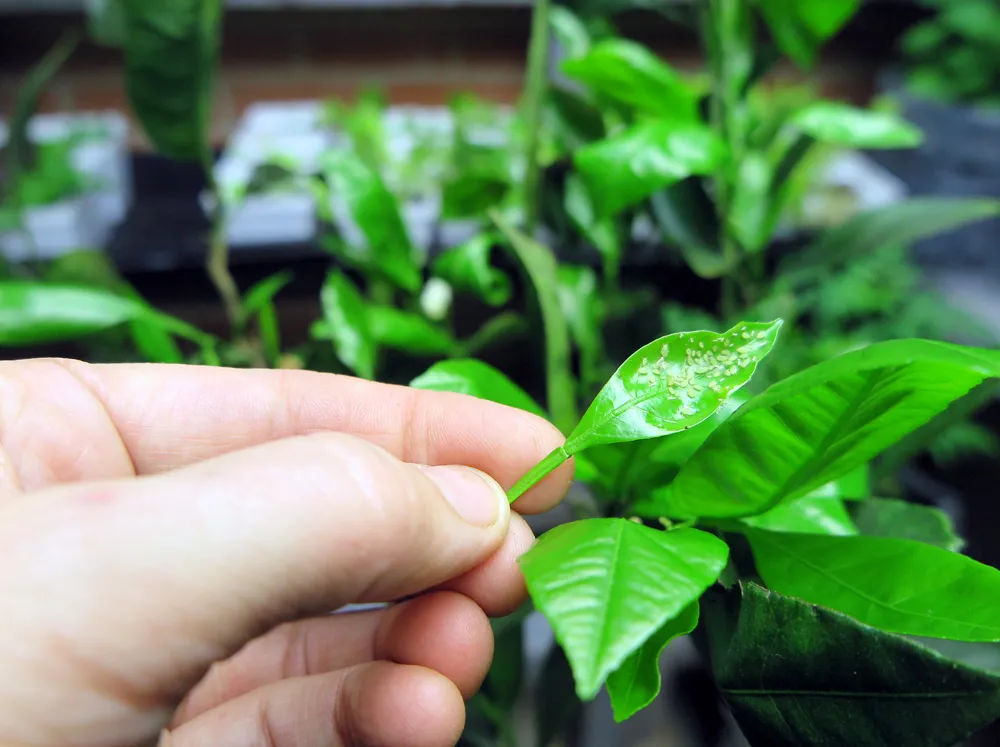
Scout regularly for signs of insects and disease. Treat or remove infested or infected plants immediately. Aphids are a common pest in cooler, damp conditions, so become familiar with ideal insect situations to ward off infestations.

Aphids on an indoor citrus tree.
PC: Leslie F. Halleck

If you are growing edible crops, be thoughtful about the treatments and chemicals you use. Avoid any systemic insecticide or fungicide on edible plants. Systemic products are absorbed into the internal plant tissues and may persist for long periods to provide ongoing insect- or disease-killing effects.

Gardening Under Lights Book

Nanometer Specific Fluorescent Grow Lights

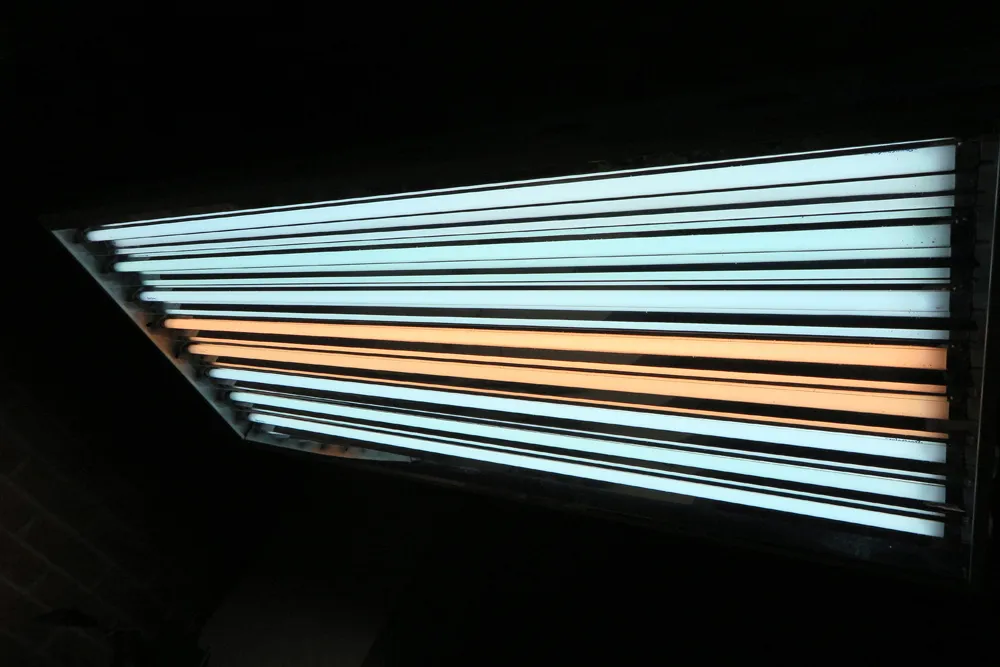
Certain fluorescents even provide narrow spectrums of light—focused in the upper red, blue, pink, and even green spectrums—plus UV radiation. These narrow-spectrum fluorescents allow you to easily trigger or maintain specific growth and development phases.

PC: Leslie F. Halleck

I mix different color spectrums with different lamps in this large T5 fixture, depending on which plants I’m growing.

Gardening Under Lights Book

Back to top